Synthesis of Cellulose Hexanoate, Benzoate, and Mixed Esters: Exploring Their Potential as Enzyme Immobilization Platforms
Roberta Teixeira Polez, Thamiris Voltarelli Ferracini, Samuel Filipe Cardoso de Paula, Rachel Passos de Oliveira Santos, André L.M. Porto, Elisabete Frollini

TL;DR
This paper explores using cellulose esters to immobilize enzymes for biocatalysis, finding that spherical structures perform better than mats.
Contribution
The first study to explore cellulose esters for immobilizing Pseudomonas fluorescens lipase to resolve racemic mixtures.
Findings
PFL-incorporated spheres achieved 40% conversion with 94% enantiomeric purity.
Mat-layered structures without voltage nearly doubled conversion rates compared to mats alone.
Electrospun mats showed poor catalytic activity due to enzyme deactivation.
Abstract
This study utilizes cellulose sourced from cotton linters to synthesize cellulose esters—hexanoate, benzoate, and mixed hexanoate‐benzoate—with varying degrees of substitution (DS). These esters create electrospun mats that immobilize Pseudomonas fluorescens lipase (PFL), also in a configuration where an intermediate layer is added to a mat using an airbrush filled with PFL, covered by a third layer of electrospun mat. PFL‐incorporated spheres are produced from cellulose ester solutions. DS, acyl chain length, and electrospinning parameters influence the morphology of the electrospun mat, which consists of nanofibers and ultrafine fibers. The PFL‐incorporated mats show poor catalytic activity in resolving racemic (R,S)‐2‐chloro‐1‐phenylethanol, likely due to enzyme deactivation from high‐voltage electrospinning. In contrast, mat‐layered structures with PFL immobilized without voltage…
Genes, proteins, chemicals, diseases, species, mutations and cell lines named across the full text — each resolved to its canonical identifier and authoritative record.
Click any figure to enlarge with its caption.
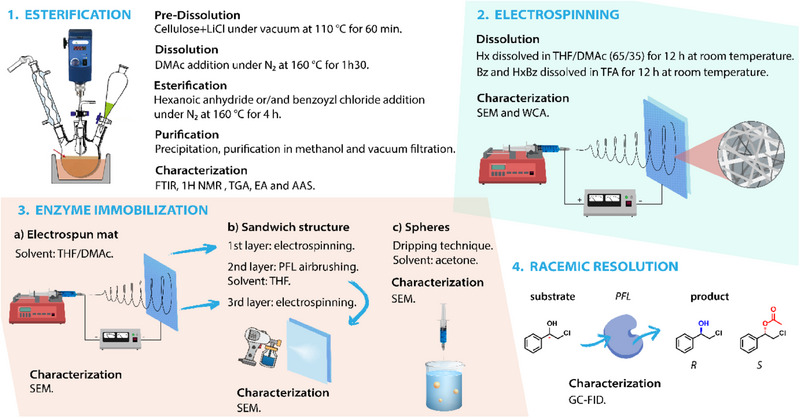 Figure 1
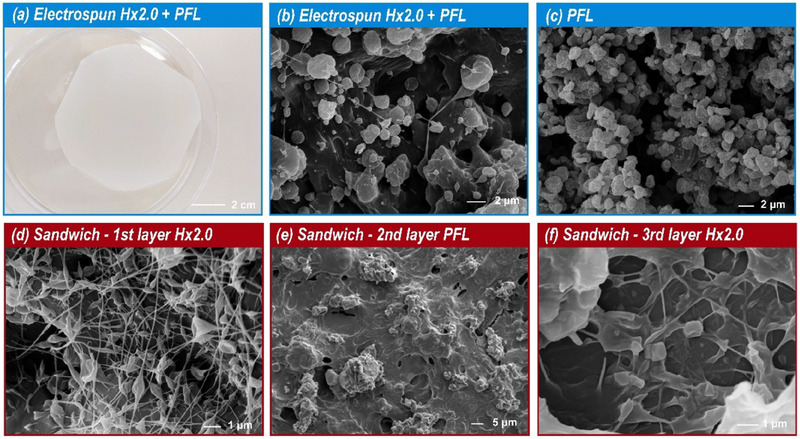 Figure 2
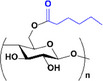 Figure 3
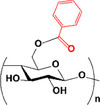 Figure 4
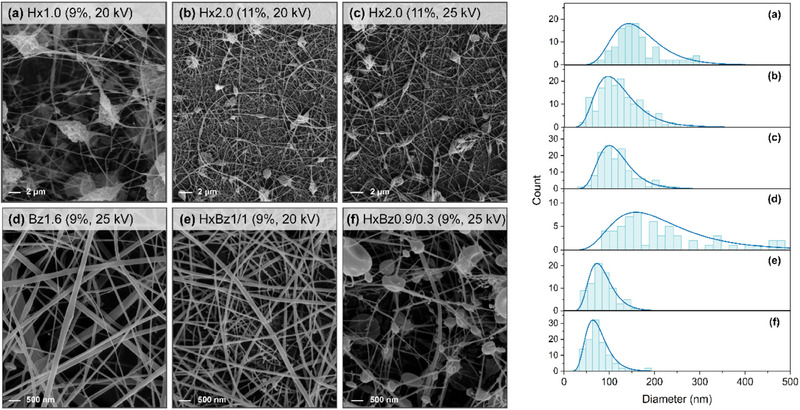 Figure 5
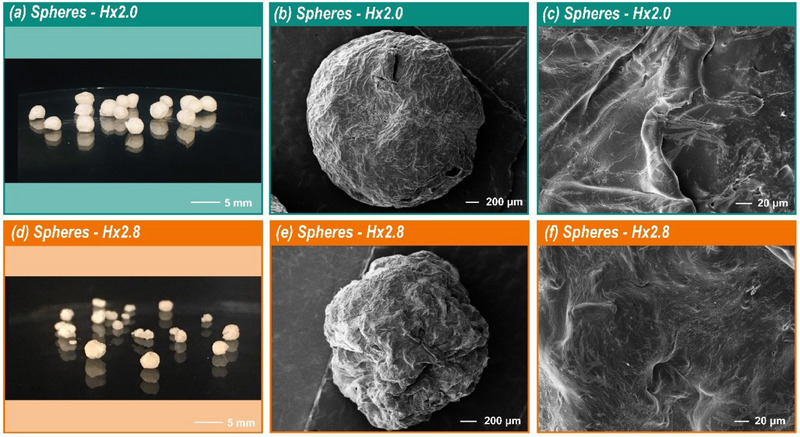 Figure 6
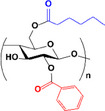 Figure 7
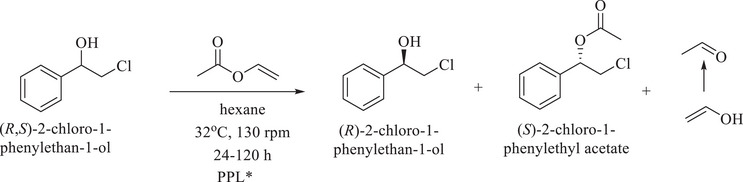 Figure 8
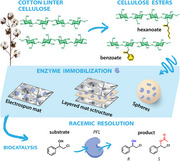 Figure 9
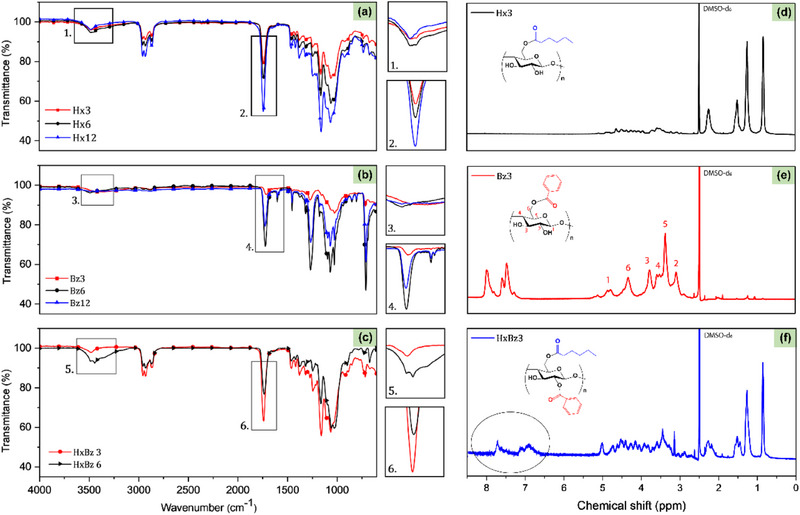 Figure 10
Peer Reviews
No public reviews on file for this paper yet. If you reviewed it on a platform where reviews are public (OpenReview, ICLR, NeurIPS, ICML), you can paste yours below so the community can read it here.
Videos
No videos yet. Explain this paper in a talk, walkthrough, or lecture? Add one.
Taxonomy
TopicsElectrospun Nanofibers in Biomedical Applications · biodegradable polymer synthesis and properties · Advanced Cellulose Research Studies