Generation of NADPH and the formation of lipofuscin fluorophore precursors in human rod photoreceptors
Leopold Adler, Chunhe Chen, Nicholas P. Boyer, Yiannis Koutalos

TL;DR
This study explores how rod photoreceptor cells in the human eye handle all-trans retinal, a compound linked to vision loss when it forms toxic lipofuscin.
Contribution
The study reveals how rod photoreceptors generate NADPH and how metabolic decline increases lipofuscin formation.
Findings
Rod photoreceptors can reduce exogenous all-trans retinal to all-trans retinol at a steady rate using NADPH.
NADPH generation depends on extracellular glucose and declines over time after donor death.
Reduced NADPH generation correlates with increased formation of lipofuscin fluorophore precursors.
Abstract
With photoreceptor cell death being one of the major causes of vision loss, we undertook a study of photoreceptor metabolic competence by measuring the generation of NADPH, which is used in synthetic reactions and the reduction of all-trans retinal to all-trans retinol. All-trans retinal is released within rod photoreceptors during light detection and can form lipofuscin fluorophore precursors, which accumulate in the form of the cytotoxic pigment lipofuscin in the adjacent cells of the retinal pigment epithelium. We have used fluorescence imaging to measure the levels of all-trans retinal, all-trans retinol, and lipofuscin fluorophore precursors in single living rod photoreceptors isolated from human donor eyes. We supplied isolated rods with exogenous all-trans retinal and used its reduction to all-trans retinol to measure their capacity to generate NADPH. Although the exogenous…
Genes, proteins, chemicals, diseases, species, mutations and cell lines named across the full text — each resolved to its canonical identifier and authoritative record.
Click any figure to enlarge with its caption.
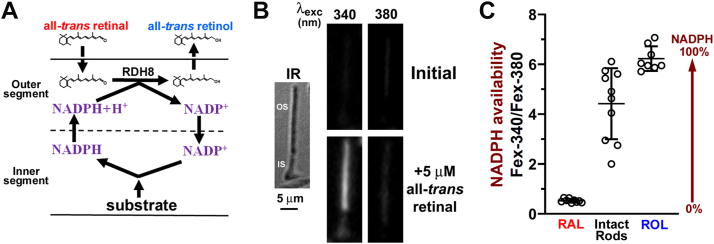 Figure 1
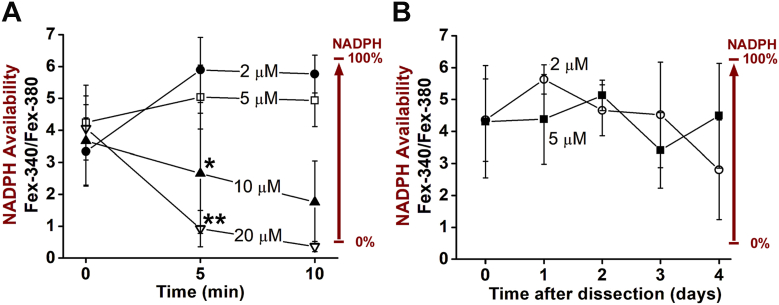 Figure 2
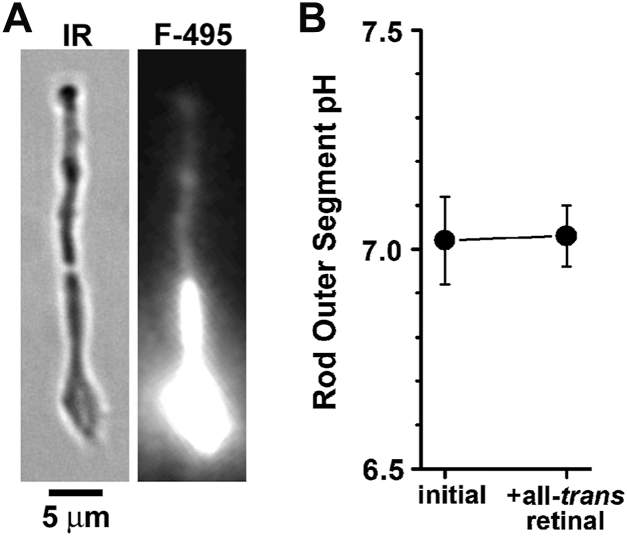 Figure 3
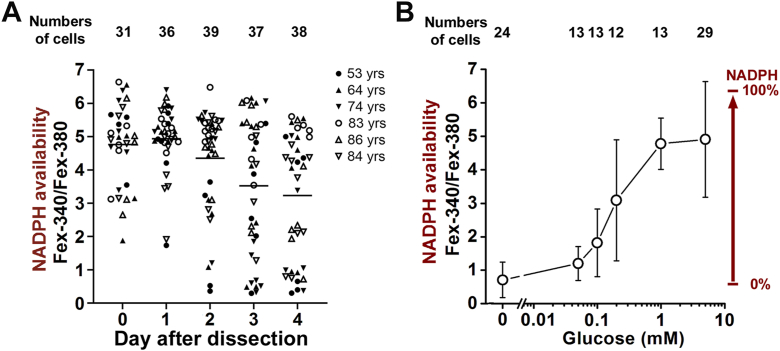 Figure 4
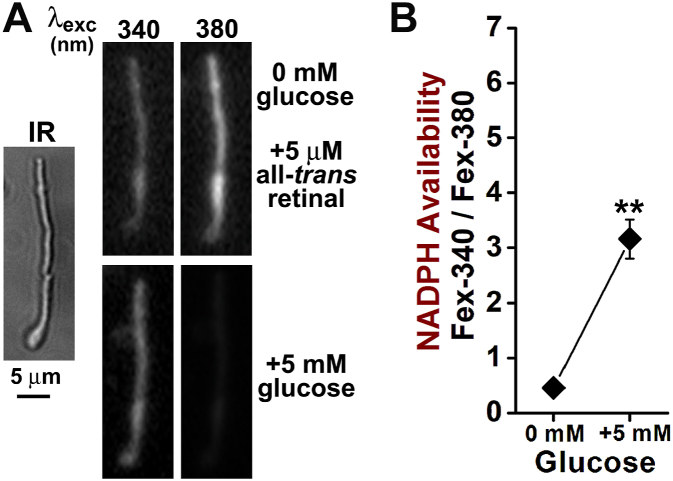 Figure 5
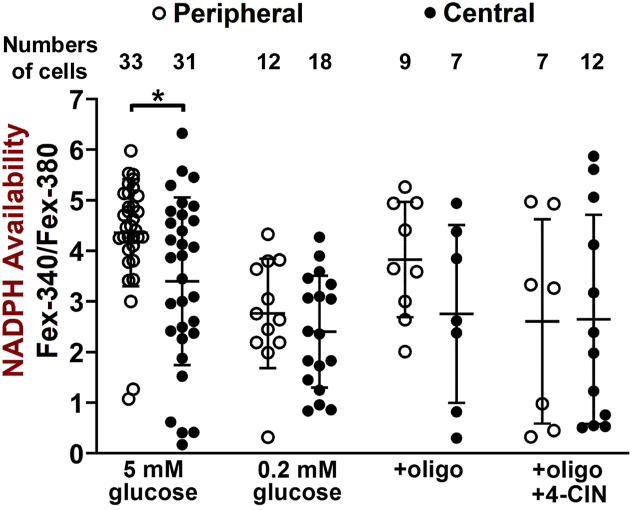 Figure 6
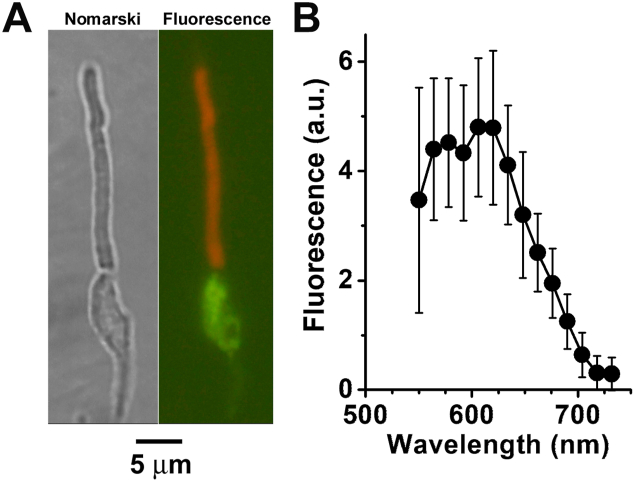 Figure 7
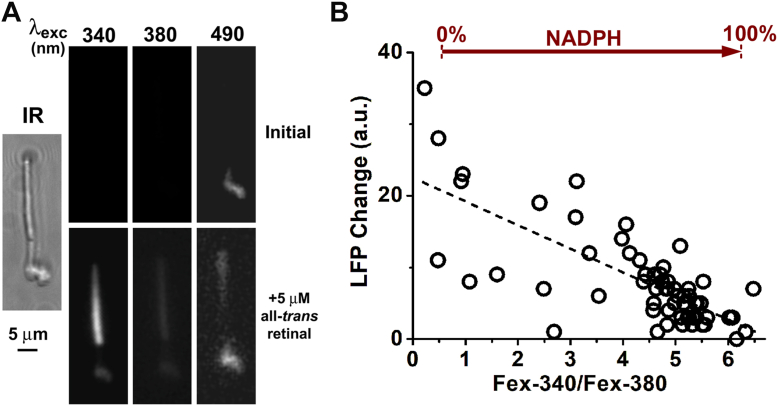 Figure 8
Peer Reviews
No public reviews on file for this paper yet. If you reviewed it on a platform where reviews are public (OpenReview, ICLR, NeurIPS, ICML), you can paste yours below so the community can read it here.
Videos
No videos yet. Explain this paper in a talk, walkthrough, or lecture? Add one.
Taxonomy
TopicsRetinal Development and Disorders · Photoreceptor and optogenetics research · Photochromic and Fluorescence Chemistry