METTL14-mediated m6A modification of DUSP6 mRNA participating in postoperative cognitive dysfunction due to sevoflurane anesthesia
Shengfeng Deng, Guo Mu, Jun Li, Xuan Yu, Qiang Li, Bin Lu

TL;DR
This study shows that sevoflurane anesthesia causes cognitive issues by altering m6A modification of DUSP6 mRNA through METTL14, and overexpressing these factors can help prevent the damage.
Contribution
The study identifies a novel METTL14/DUSP6/m6A pathway involved in sevoflurane-induced cognitive dysfunction.
Findings
Sevoflurane suppresses cell growth and induces apoptosis in mice and cells.
METTL14 overexpression reduces sevoflurane-induced cognitive dysfunction by increasing m6A and DUSP6 levels.
Knockdown of DUSP6 reverses the protective effects of METTL14 overexpression.
Abstract
To investigate the mechanisms underlying sevoflurane-induced POCD, C57BL/6 J mice and SH-SY5Y cells were treated with sevoflurane for model establishment. After the treatment with sevoflurane, CCK-8, EdU and flow cytometry were employed to detect cell damage. The levels of N6-methyladenosine (m6A), METTL14 and DUSP6 were determined by qPCR and Western blot. The interaction between METTL14 and DUSP6 was analyzed using RIP-qPCR and Me-RIP methodologies. The cognitive function in mice were assessed by water maze test. After sevoflurane treatment, the cell viability, cell proliferation and METTL14 expression were markedly suppressed, while apoptosis was significantly enhanced. METTL14 overexpression elevated the levels of m6A and DUSP6, increased the binding level of METTL14 to DUSP6 mRNA, reducing damage to cells and cognitive dysfunction of mice. Knockdown of DUSP6 negated the…
Genes, proteins, chemicals, diseases, species, mutations and cell lines named across the full text — each resolved to its canonical identifier and authoritative record.
Click any figure to enlarge with its caption.
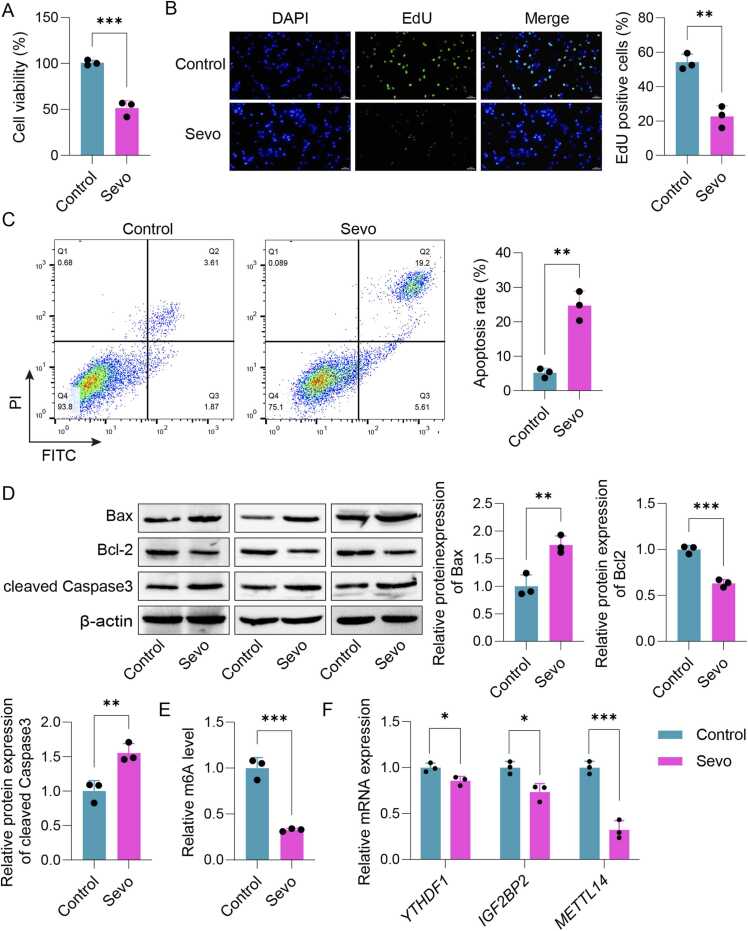 Figure 1
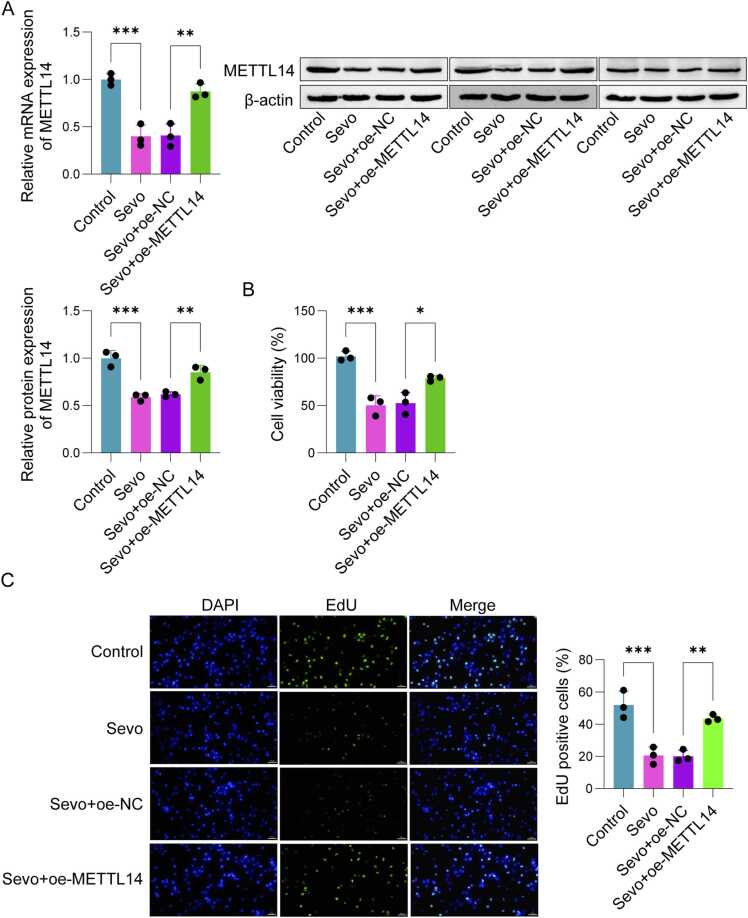 Figure 2
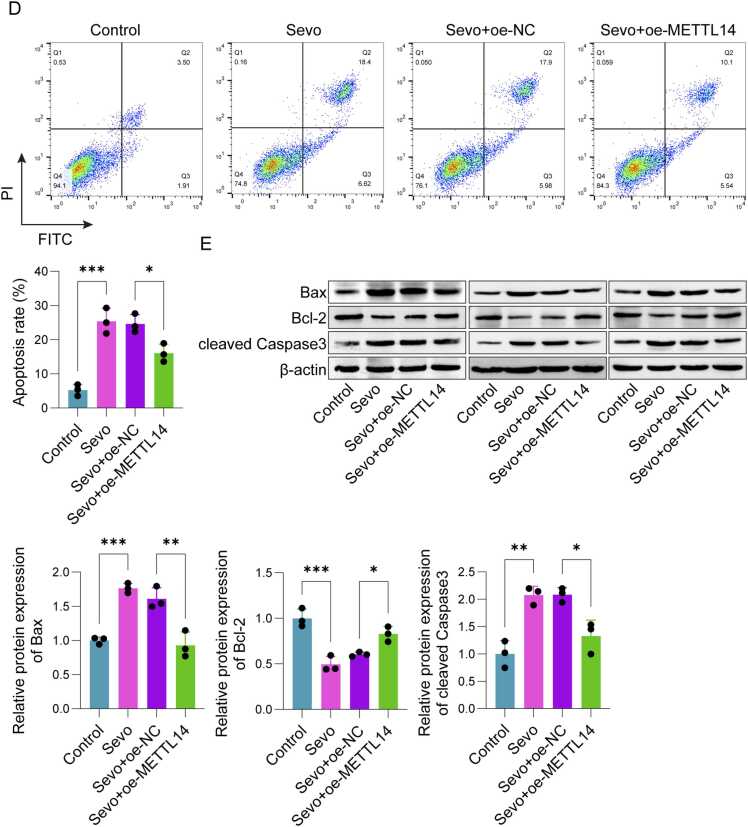 Figure 3
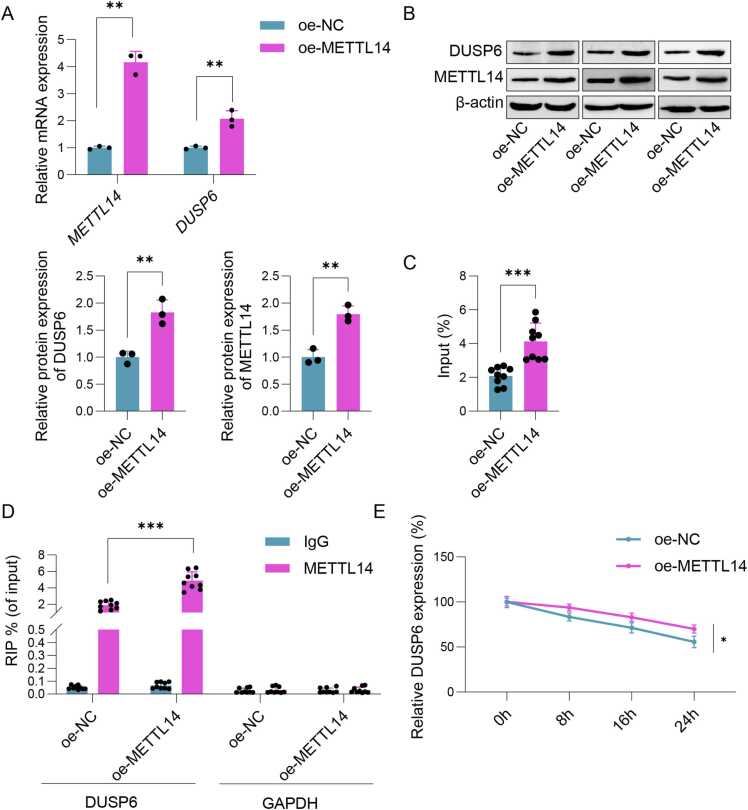 Figure 4
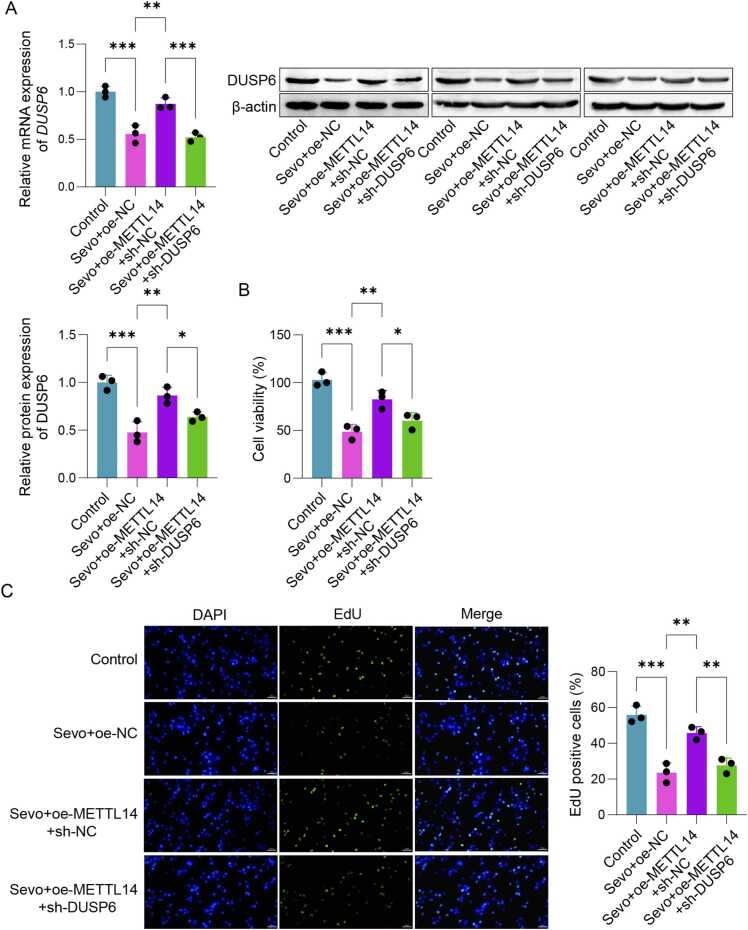 Figure 5
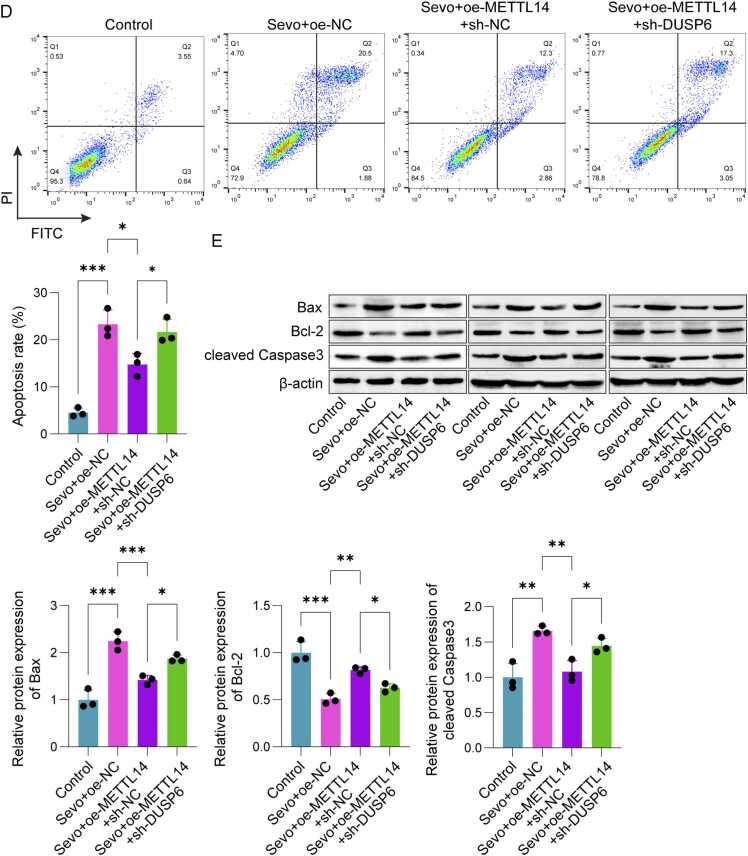 Figure 6
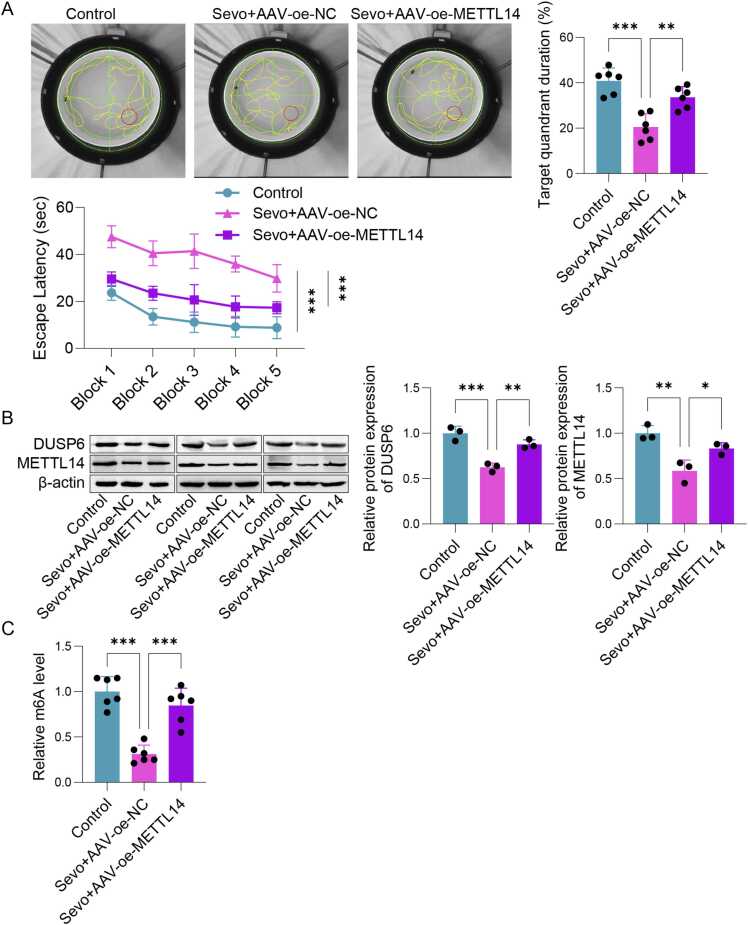 Figure 7
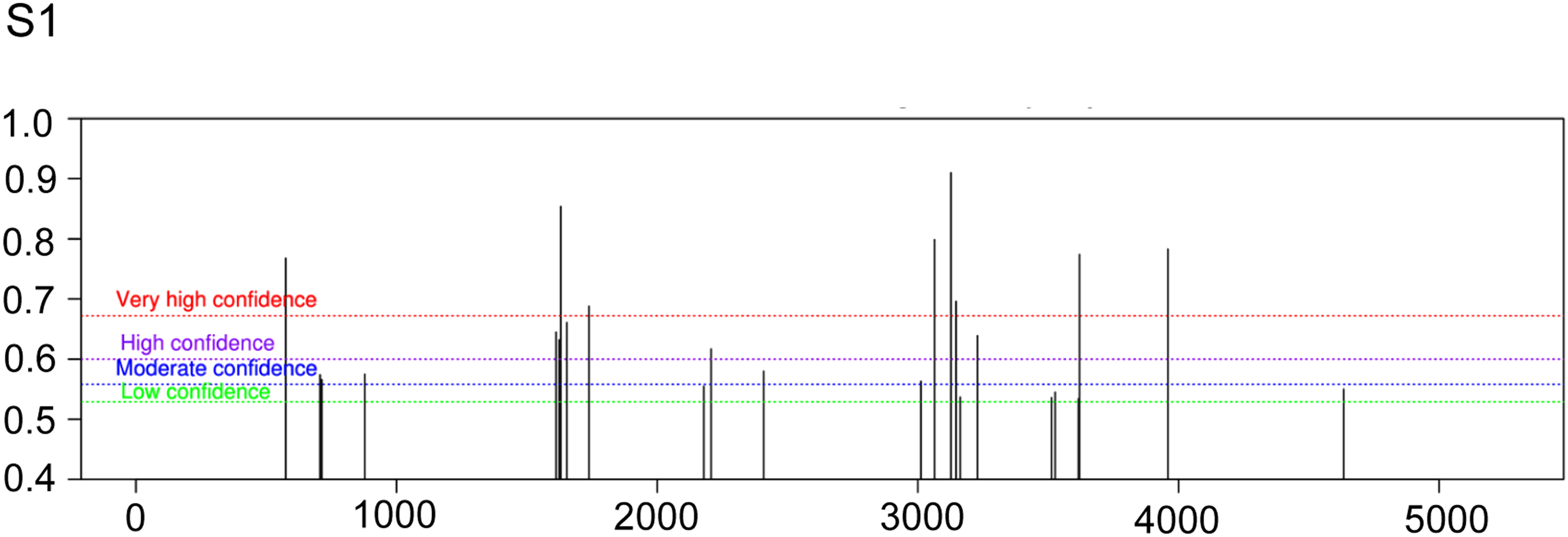 Figure 8
Peer Reviews
No public reviews on file for this paper yet. If you reviewed it on a platform where reviews are public (OpenReview, ICLR, NeurIPS, ICML), you can paste yours below so the community can read it here.
Videos
No videos yet. Explain this paper in a talk, walkthrough, or lecture? Add one.
Taxonomy
TopicsRNA modifications and cancer · Cardiac Structural Anomalies and Repair · ATP Synthase and ATPases Research