Development and validation of a computational tool to predict treatment outcomes in cells from high‐grade serous ovarian cancer patients
Marilisa Cortesi, Dongli Liu, Elyse Powell, Ellen Barlow, Kristina Warton, Emanuele Giordano, Caroline E. Ford

TL;DR
This paper introduces a computational tool to predict treatment outcomes for high-grade serous ovarian cancer patients, aiming to improve personalized treatment selection.
Contribution
The novel contribution is a calibrated computational simulator that acts as a digital twin for individual patients to predict treatment responses.
Findings
The model was validated on cell lines and patient-derived laboratory models.
The tool provides insights into HGSOC behavior and supports personalized medicine approaches.
It demonstrates potential for preclinical research and treatment monitoring.
Abstract
Treatment of High‐grade serous ovarian cancer (HGSOC) is often ineffective due to frequent late‐stage diagnosis and development of resistance to therapy. Timely selection of the most effective (combination of) drug(s) for each patient would improve outcomes, however the tools currently available to clinicians are poorly suited to the task. We here present a computational simulator capable of recapitulating cell response to treatment in ovarian cancer. The technical development of the in silico framework is described, together with its validation on both cell lines and patient‐ derived laboratory models. A calibration procedure to identify the parameters that best recapitulate each patient's response is also presented. Our results support the use of this tool in preclinical research, to provide relevant insights into HGSOC behavior and progression. They also provide a proof of concept…
Genes, proteins, chemicals, diseases, species, mutations and cell lines named across the full text — each resolved to its canonical identifier and authoritative record.
Click any figure to enlarge with its caption.
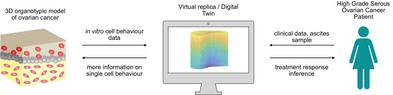 Figure 1
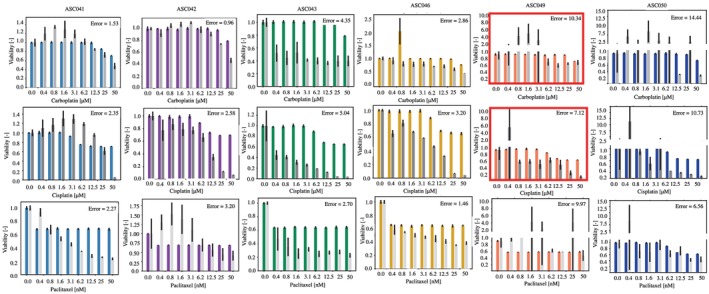 Figure 2
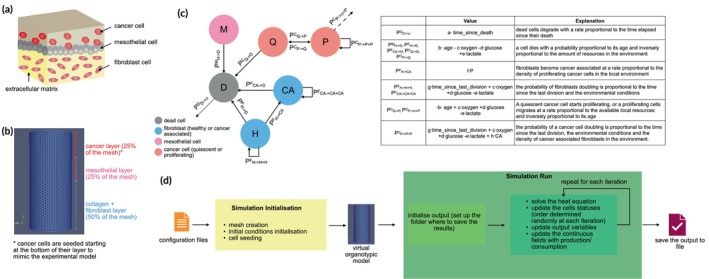 Figure 3
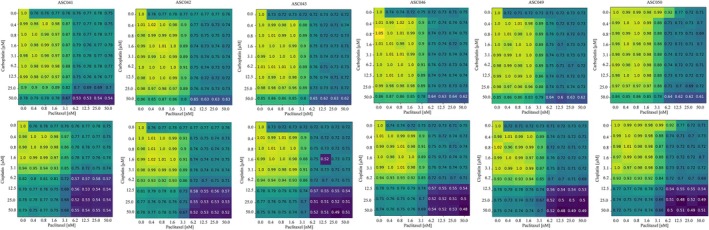 Figure 4
 Figure 5
 Figure 6
 Figure 7
 Figure 8
 Figure 9
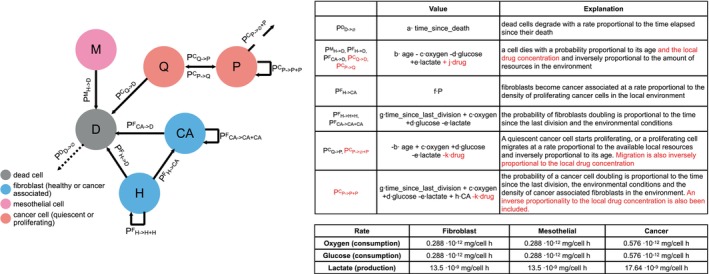 Figure 10
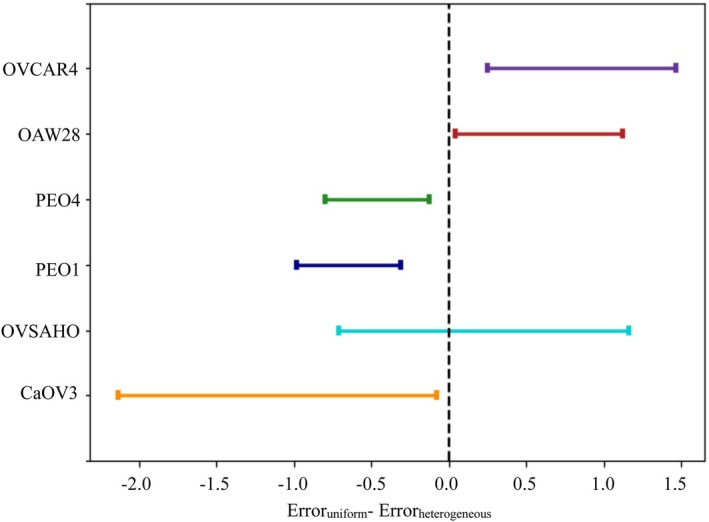 Figure 11
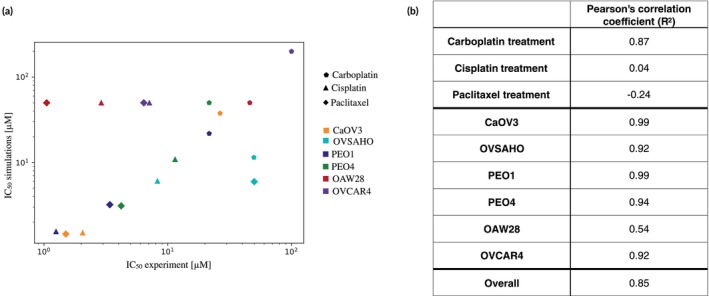 Figure 12
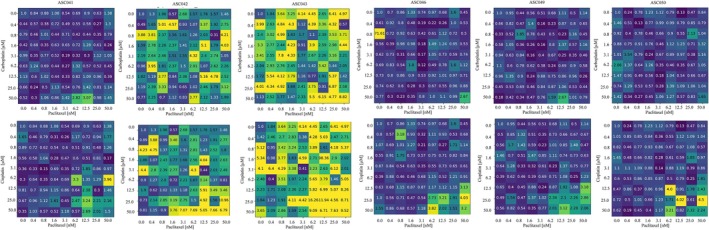 Figure 13
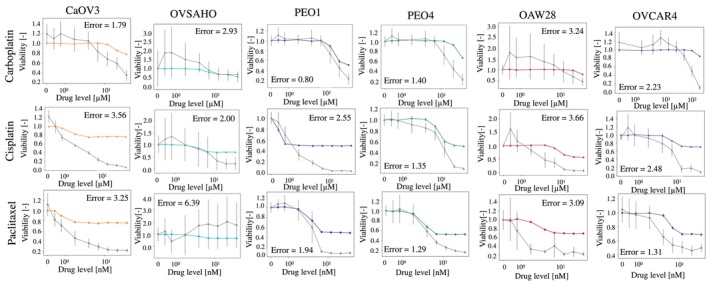 Figure 14
Peer Reviews
No public reviews on file for this paper yet. If you reviewed it on a platform where reviews are public (OpenReview, ICLR, NeurIPS, ICML), you can paste yours below so the community can read it here.
Videos
No videos yet. Explain this paper in a talk, walkthrough, or lecture? Add one.
Taxonomy
TopicsOvarian cancer diagnosis and treatment · PARP inhibition in cancer therapy · Cancer Genomics and Diagnostics