High-Throughput Microfluidic Technologies for Rapidly Screening Pollutant-Induced Cell Health Effects
Blanca I. Quiñones-Díaz, Niphattha Wongwiset, Pratik Kamat, Orian Stapleton, Sean M. Engels, Matthew R. Burroughs, S. V. Sreenivasan, Jude M. Phillip, Lydia M. Contreras

TL;DR
This paper introduces a high-throughput microfluidic method to study how pollutant mixtures affect cell health, using real-world data from Austin, Texas.
Contribution
A novel microfluidic platform for low-cost, high-throughput screening of pollutant-induced cellular responses is developed.
Findings
Formaldehyde exposure causes dose-dependent changes in cell shape and health.
Mixtures of selenium and manganese can lead to healthier cell phenotypes compared to selenium alone.
Microfluidic technology enables efficient screening of multiple pollutant combinations in a multiwell format.
Abstract
Air pollution exposure is linked to diseases spanning multiple physiological systems. However, environmental stress is overwhelmingly associated with several lung diseases. Since the chemical composition of air pollutants varies widely across geographical locations, research on how specific components in pollutant mixtures contribute to cellular dysfunction is needed. In this work, we utilized microscopy-based morphological profiling as a tool to assess the cellular susceptibility to pollutants. Through our analysis, we established morphological profiles of formaldehyde-exposed cells that showed dose-dependent shifts in cell shape profiles correlating with overall cell health. As a real-world proof-of-concept validation, we evaluated the differences in particulate matter (PM) composition across multiple geographical areas, including both urban and suburban communities in Austin, Texas,…
Genes, proteins, chemicals, diseases, species, mutations and cell lines named across the full text — each resolved to its canonical identifier and authoritative record.
Click any figure to enlarge with its caption.
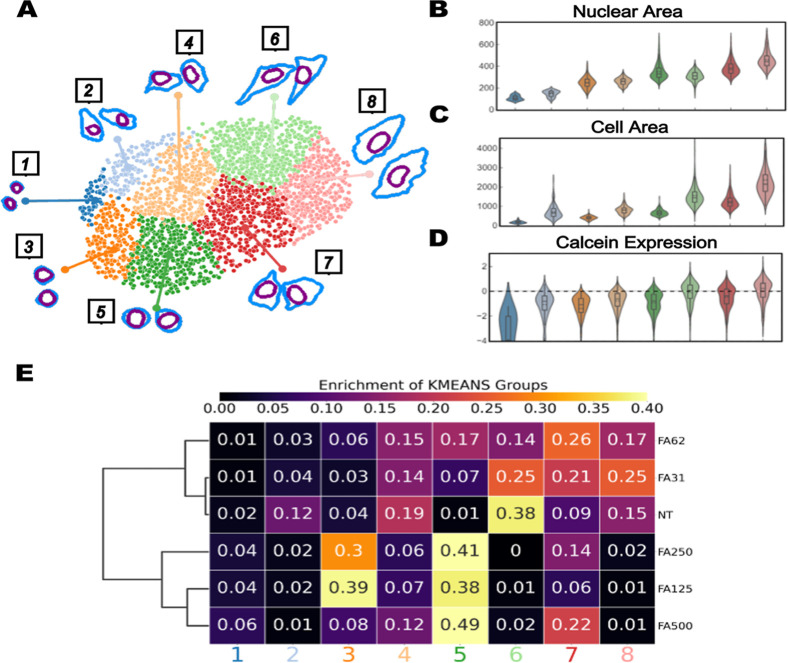 Figure 1
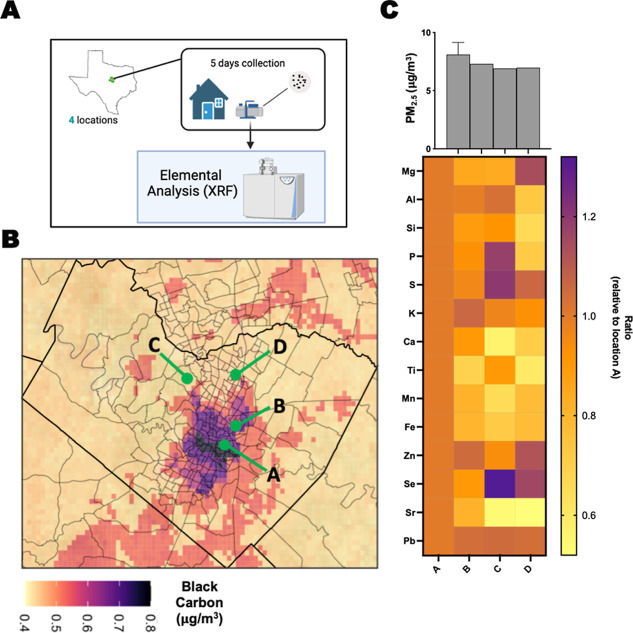 Figure 2
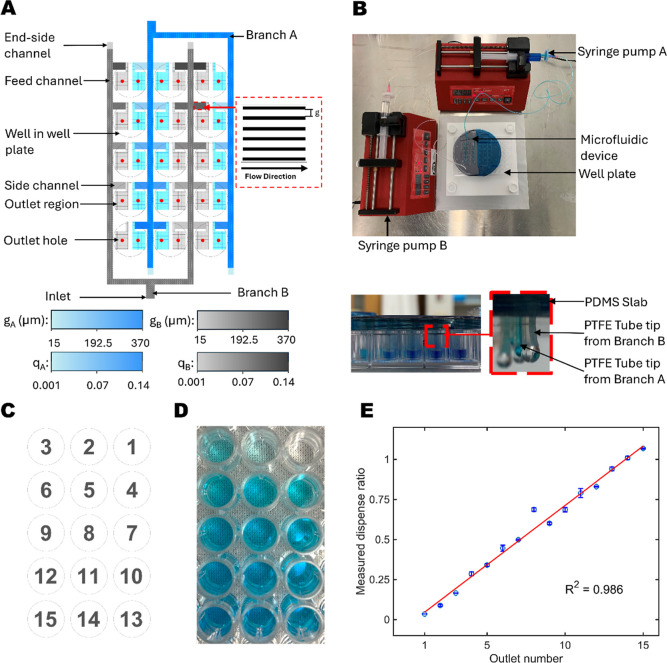 Figure 3
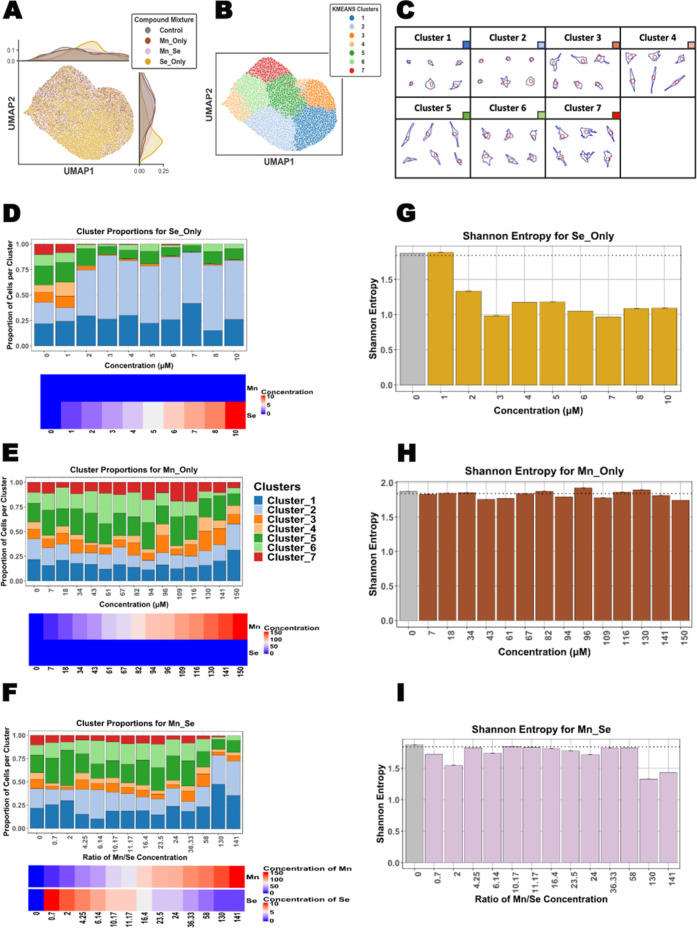 Figure 4
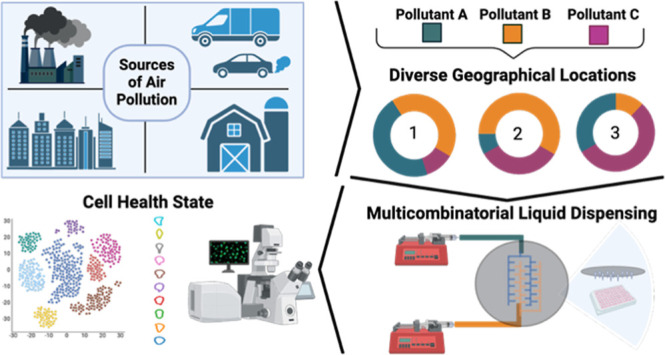 Figure 5
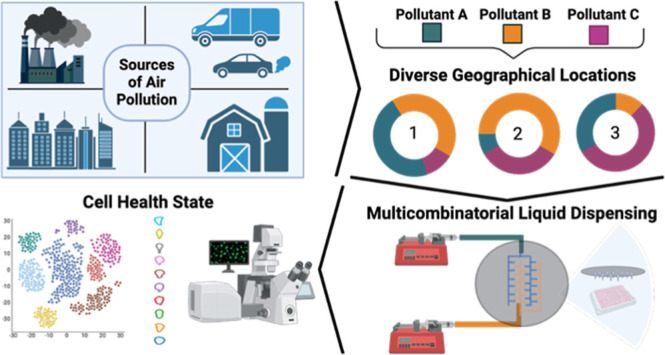 Figure 6
 Figure 7
Peer Reviews
No public reviews on file for this paper yet. If you reviewed it on a platform where reviews are public (OpenReview, ICLR, NeurIPS, ICML), you can paste yours below so the community can read it here.
Videos
No videos yet. Explain this paper in a talk, walkthrough, or lecture? Add one.
Taxonomy
Topics3D Printing in Biomedical Research · Biosensors and Analytical Detection