Exploring Complexity in Out-of-Hospital Clinical Supervision Using Rich Pictures
Florence M. den Boer, Nelleke Noeverman-Poel, Esther Helmich, Martine C. de Bruijne, Nynke van Dijk, Marianne Mak-van der Vossen, Martin Smalbrugge

TL;DR
This paper explores how trainees and supervisors in out-of-hospital healthcare settings perceive complex situations, using visual tools to better understand and improve medical training.
Contribution
The study introduces the use of 'Rich Pictures' to capture and analyze perceptions of complexity in clinical supervision outside hospital settings.
Findings
Complexity is perceived as an interplay of multiple problems across dimensions involving various systems and stakeholders.
Human interaction and trainee-supervisor relationships significantly influence how complexity is experienced.
Intersystemic factors contribute to complexity perception, expanding beyond traditional medical and psychosocial elements.
Abstract
The rapidly evolving healthcare landscape in which physicians work and learn is becoming increasingly complex. This growing complexity presents challenges for supervisors and learners, who must balance autonomy with ensuring patient safety. The authors investigated how Elderly Care Medicine and General Practice trainees and supervisors perceive complexity in out-of-hospital settings. The results could contribute to improving the learning and supervision of trainees in complex situations. From a constructivist paradigm, the authors applied “Rich Pictures” to explore participants’ experiences. Via training institutions, participants were purposefully sampled until data were sufficient to answer the research question. Data collection took place through drawing of supervised complex care situations, directly followed by semi-structured interviews. The authors conducted a reflexive thematic…
Genes, proteins, chemicals, diseases, species, mutations and cell lines named across the full text — each resolved to its canonical identifier and authoritative record.
Click any figure to enlarge with its caption.
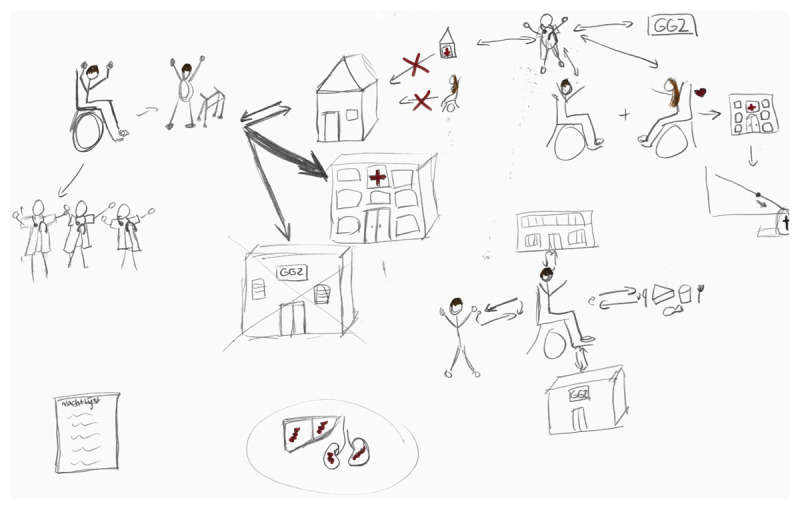 Figure 1
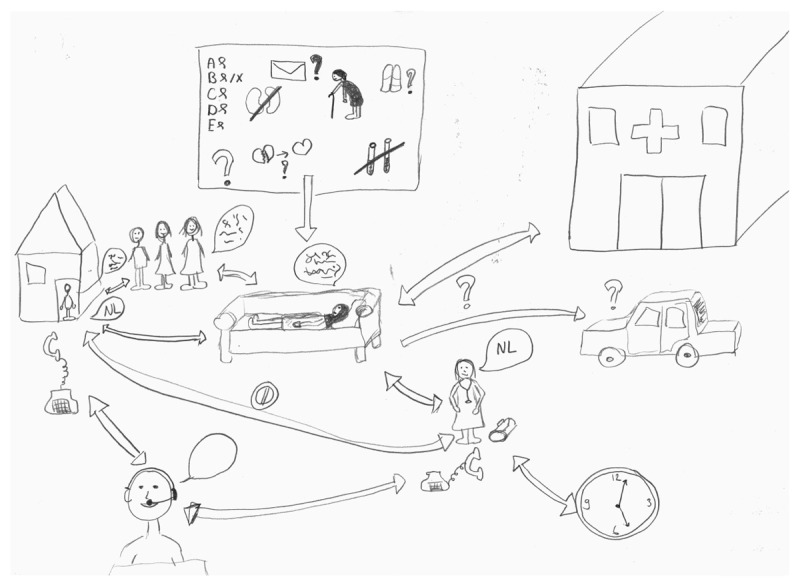 Figure 2
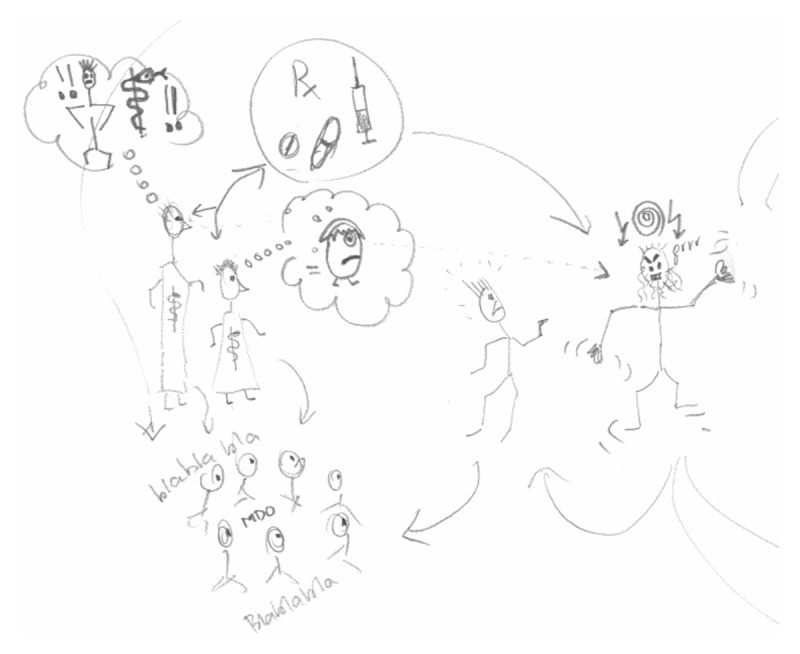 Figure 3
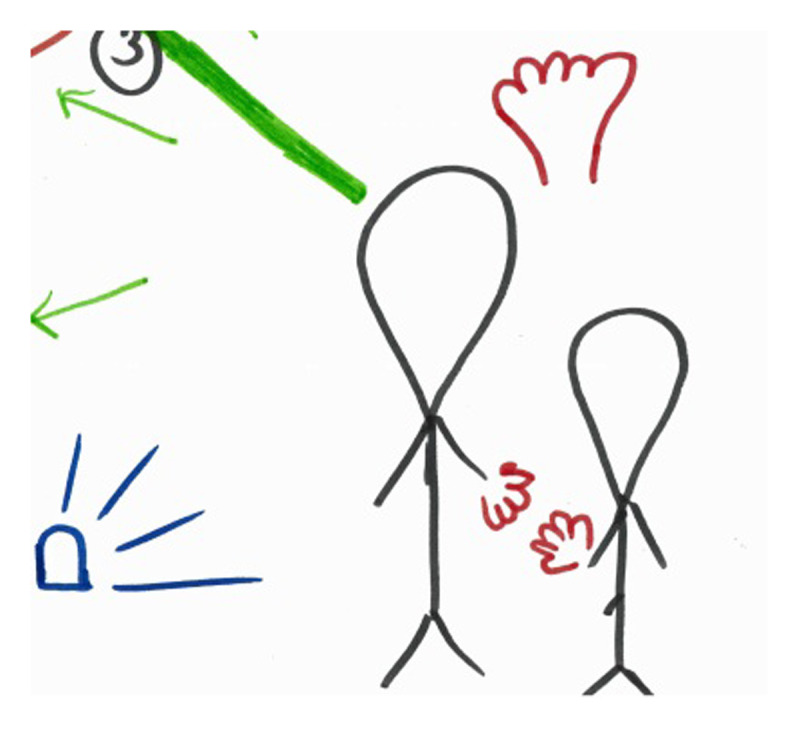 Figure 4
Peer Reviews
No public reviews on file for this paper yet. If you reviewed it on a platform where reviews are public (OpenReview, ICLR, NeurIPS, ICML), you can paste yours below so the community can read it here.
Videos
No videos yet. Explain this paper in a talk, walkthrough, or lecture? Add one.
Taxonomy
TopicsChaos, Complexity, and Education · Clinical Reasoning and Diagnostic Skills · Simulation-Based Education in Healthcare