Modified STOP-Bang questionnaire for detecting obstructive sleep apnea in individuals with a body mass index below 35 kg/m2
Napassorn Sinsopa, Viriya Tripakornkusol, Sittichai Khamsai, Kittisak Sawanyawisuth

TL;DR
This study suggests modifying the STOP-Bang questionnaire to better detect sleep apnea in people with a BMI under 35.
Contribution
The study proposes revised cut-off values for age, BMI, and neck circumference in the STOP-Bang questionnaire for non-obese individuals.
Findings
Age ≥ 40 years, BMI ≥ 23 kg/m², and neck circumference ≥ 35 cm were optimal cut-offs for predicting OSA.
The modified STOP-Bang score had significantly higher sensitivity than the original for detecting OSA severity levels.
158 out of 188 patients in the study were diagnosed with obstructive sleep apnea.
Abstract
Obstructive sleep apnea (OSA) is a common clinical condition. Due to its high prevalence, the waiting list for polysomnography is often long. A screening tool is needed to identify individuals at high risk for OSA who should undergo polysomnography. The STOP-Bang questionnaire is a widely used screening tool; however, it may require modification for individuals with a body mass index (BMI) below 35 kg/m2. This study aimed to evaluate whether the STOP-Bang questionnaire should be modified for patients with a BMI under 35 kg/m2. This retrospective analytical study included adult patients suspected of having OSA who underwent polysomnography. Exclusion criteria included pregnancy and a BMI over 35 kg/m2 or meeting criteria for bariatric surgery. Patients were categorized into OSA and non-OSA groups. Logistic regression analysis was used to assess the predictive value of STOP-Bang factors…
Genes, proteins, chemicals, diseases, species, mutations and cell lines named across the full text — each resolved to its canonical identifier and authoritative record.
Click any figure to enlarge with its caption.
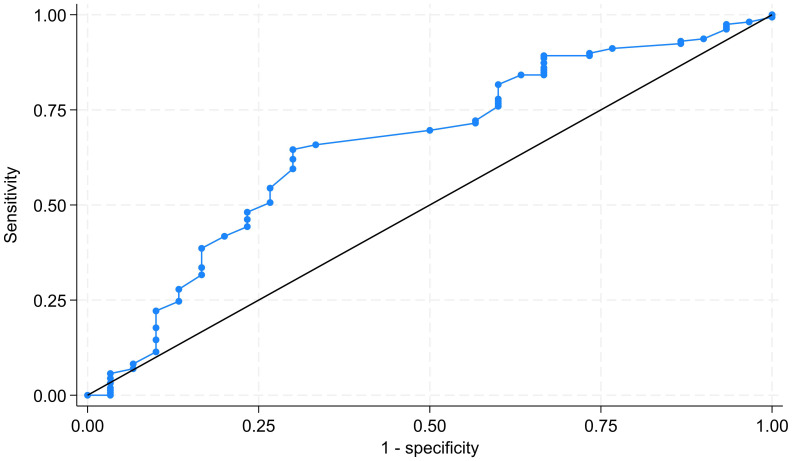 Figure 1
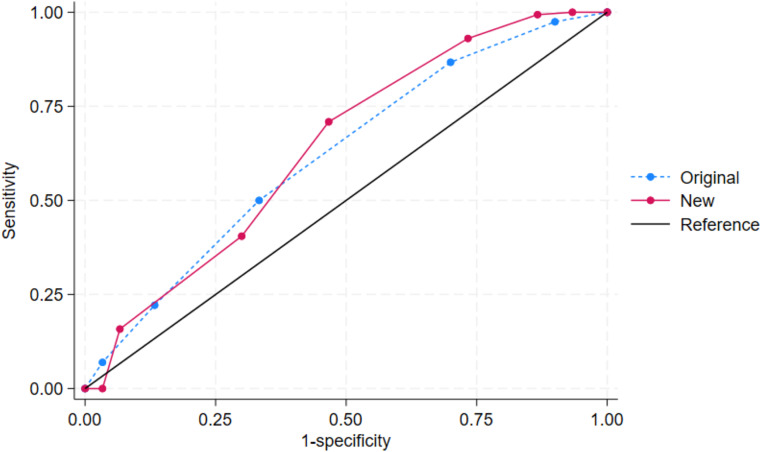 Figure 2
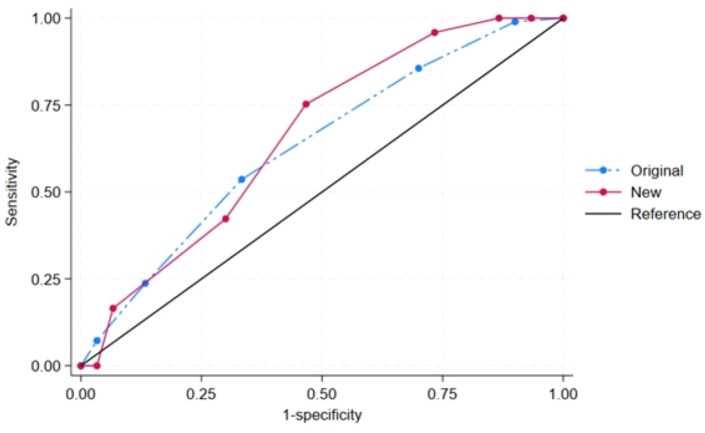 Figure 3
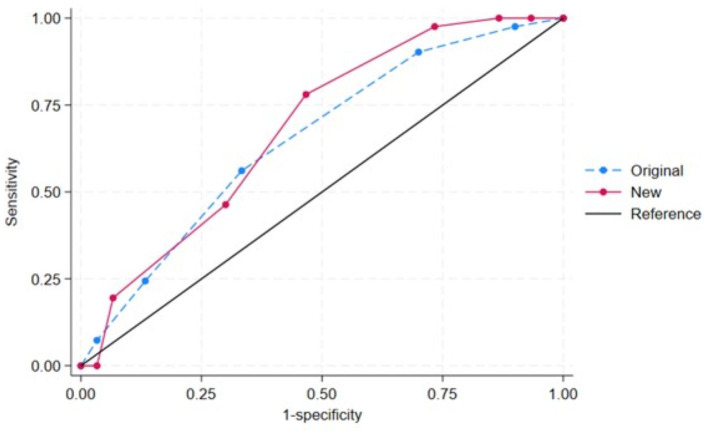 Figure 4
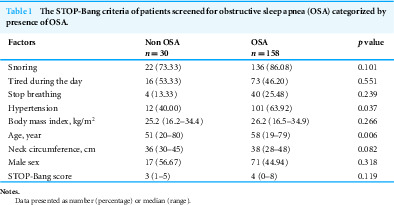 Figure 5
 Figure 6
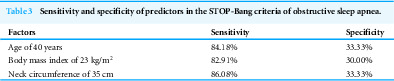 Figure 7
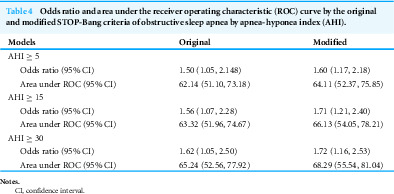 Figure 8
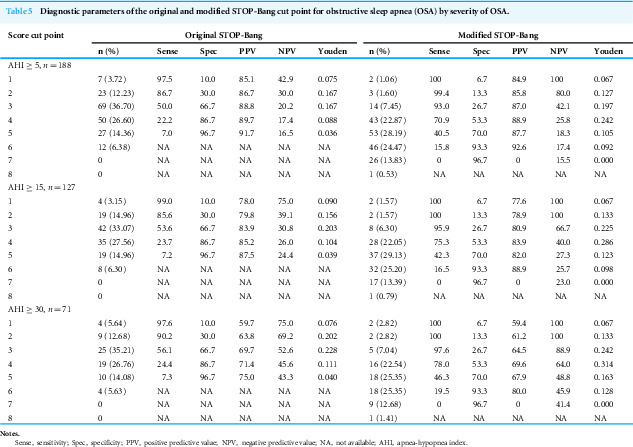 Figure 9
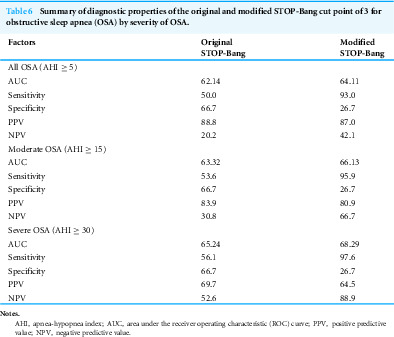 Figure 10
Peer Reviews
No public reviews on file for this paper yet. If you reviewed it on a platform where reviews are public (OpenReview, ICLR, NeurIPS, ICML), you can paste yours below so the community can read it here.
Videos
No videos yet. Explain this paper in a talk, walkthrough, or lecture? Add one.
Taxonomy
TopicsObstructive Sleep Apnea Research · Cardiovascular and Diving-Related Complications · Body Contouring and Surgery