Amomum tsao-ko Crevost et Lemarie extract targets the gut-liver axis to combat atherosclerosis in ApoE−/− mice
Qianqian Wang, Yuanyuan Niu, Jiawei Huang, Junhong Huang, Jiamin Zhang, Boyi Zhang, Zixuan Guo, Shuying Feng

TL;DR
This study shows that Amomum tsao-ko extract reduces atherosclerosis in mice by lowering cholesterol, reducing inflammation, and altering gut bacteria.
Contribution
The study reveals the novel therapeutic potential of Amomum tsao-ko extract in targeting the gut-liver axis to combat atherosclerosis.
Findings
T-K extract significantly reduced serum cholesterol and LDL levels in atherosclerotic mice.
T-K treatment altered gut microbiota composition differently than statins.
T-K reduced inflammation and oxidative stress in the aorta and liver.
Abstract
Amomum tsao-ko Crevost et Lemarie (T-K), a valuable dual-purpose plant used in both medicine and food, exhibits a wide array of bioactivities and pharmacological effects, including the regulation of gastrointestinal function, promotion of weight loss and fat reduction, lowering of blood sugar levels, antioxidant activity. The efficacy of T-K and its underlying mechanism in managing atherosclerosis have rarely been discussed in the literature. This research aimed to evaluate the therapeutic potential of T-K in atherosclerotic mouse models induced by a high-fat high-cholesterol (HFHC) diet and to explore the potential mechanisms involved. Atherosclerotic mice were fed with an HFHC diet for 12 weeks, followed by a continuous oral administration of T-K extract via gavage for an additional 8 weeks. Full-length aorta Oil Red O staining, aortic root Oil Red O staining, and hematoxylin–eosin…
Genes, proteins, chemicals, diseases, species, mutations and cell lines named across the full text — each resolved to its canonical identifier and authoritative record.
Click any figure to enlarge with its caption.
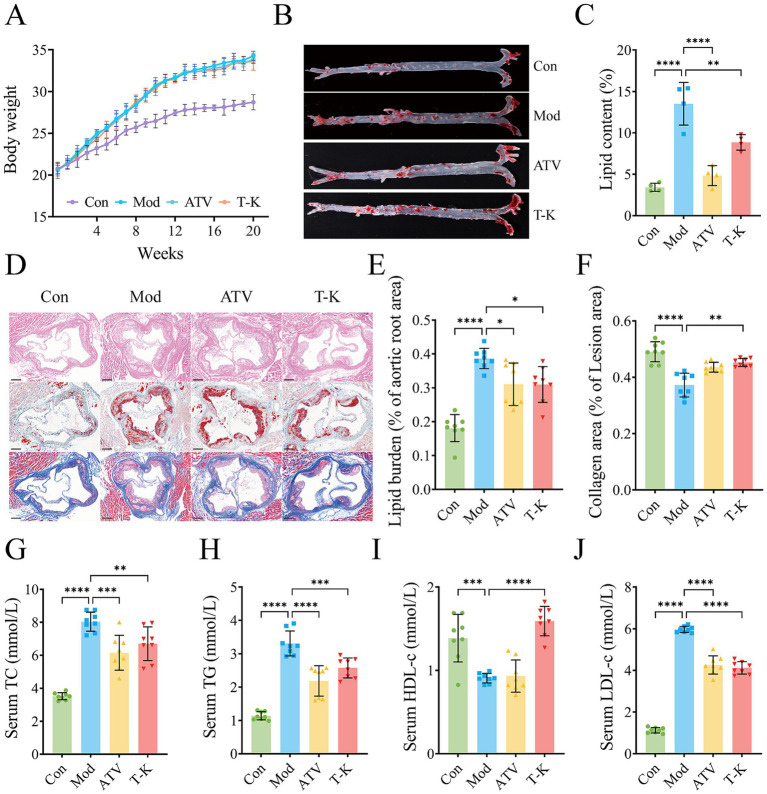 Figure 1
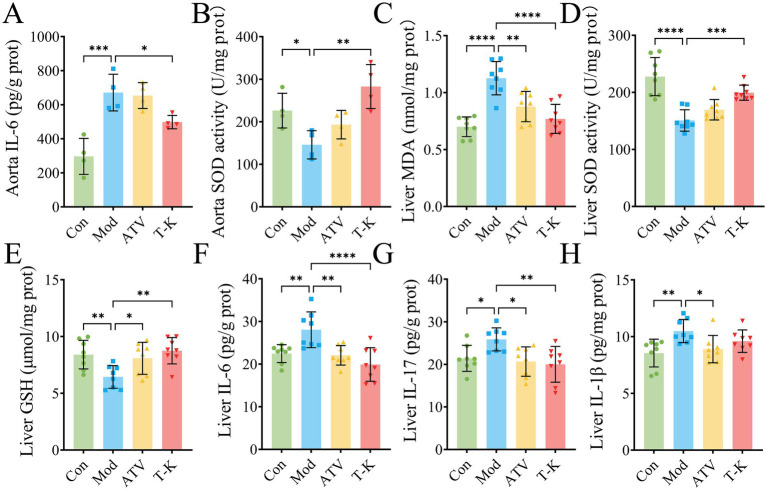 Figure 2
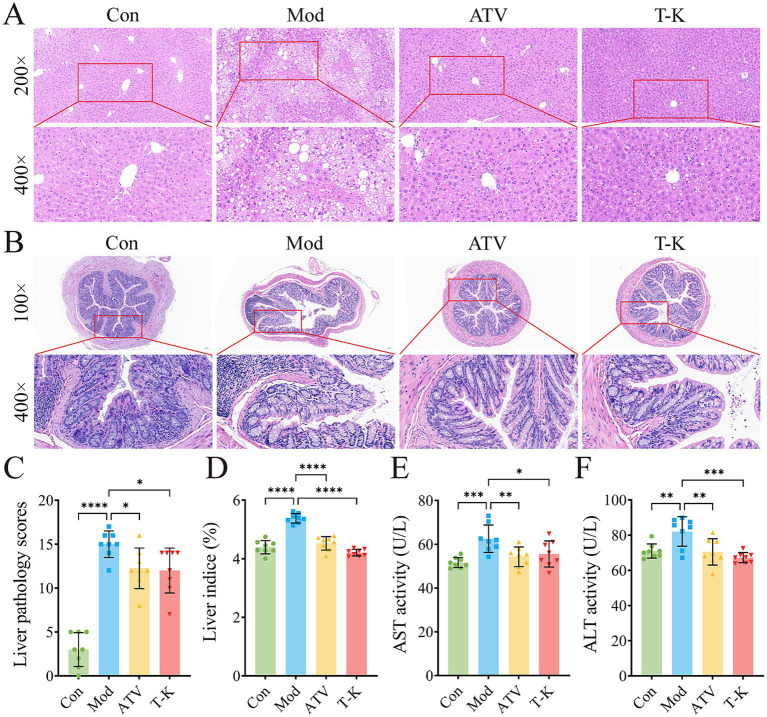 Figure 3
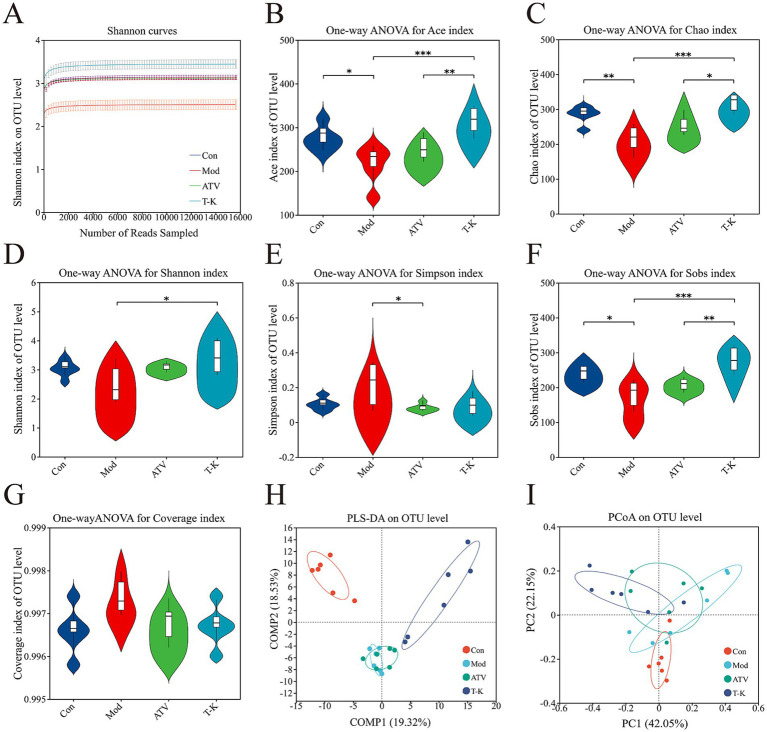 Figure 4
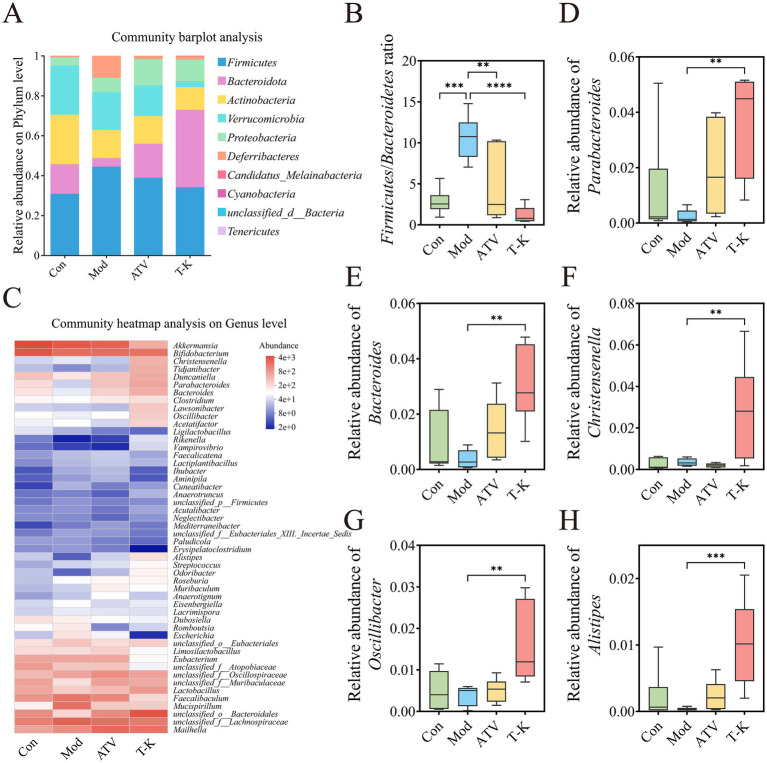 Figure 5
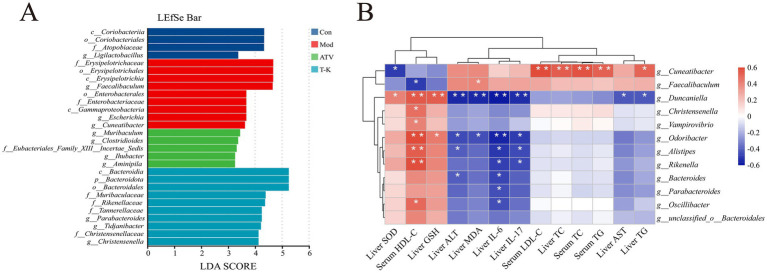 Figure 6
Peer Reviews
No public reviews on file for this paper yet. If you reviewed it on a platform where reviews are public (OpenReview, ICLR, NeurIPS, ICML), you can paste yours below so the community can read it here.
Videos
No videos yet. Explain this paper in a talk, walkthrough, or lecture? Add one.
Taxonomy
TopicsGinger and Zingiberaceae research · Piperaceae Chemical and Biological Studies · Ethnobotanical and Medicinal Plants Studies