How can near infrared spectroscopy be informative about the brain activation of children using a hearing implant? Preliminary case-control findings
Dayanna Apolinário Diniz, Débora Marques de Miranda, Ana Lívia Libardi Bertachini, Gabriela Cintra Januário, Lurdiana Guimarães Dias, Luciana Macedo de Resende, Dayanna Apolinário Diniz, Débora Marques de Miranda, Ana Lívia Libardi Bertachini, Gabriela Cintra Januário

TL;DR
This study explores how near-infrared spectroscopy can track brain development in children with cochlear implants, showing similar brain activity to hearing children.
Contribution
The study demonstrates that fNIRS can detect cortical maturation in implanted children, aligning with auditory and language improvements.
Findings
No statistical differences in cortical activation between implanted children and hearing children of the same hearing age.
Improvement in auditory perception and language performance was observed after cochlear implant use.
fNIRS is a promising tool for tracking cortical changes in children with and without implants.
Abstract
The auditory rehabilitation mechanism with cochlear implants can activate specific cortical regions of the brain similar to those of hearing people. Near-infrared spectroscopy (fNIRS) is a neuroimaging tool that makes it possible to evaluate the cortical development of implanted children. Objective: To investigate the molecular imaging response, reflected by difference in cortical oxygenation, in a deaf child with a cochlear implant compared to hearing children, observe and report auditory performance verifying correspondence with fNIRS findings. Methods: Comparative case study using the fNIRS technique to evaluate the child's cortical activation on the day of device activation with three hearing children of the same hearing age. The recorded data was processed with Brainstorm software and statistical analysis was performed with the Power F test in relation to the baseline and the…
Genes, proteins, chemicals, diseases, species, mutations and cell lines named across the full text — each resolved to its canonical identifier and authoritative record.
Click any figure to enlarge with its caption.
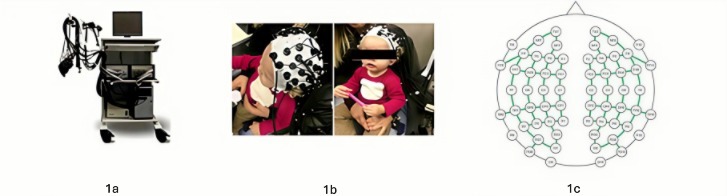 Figure 1
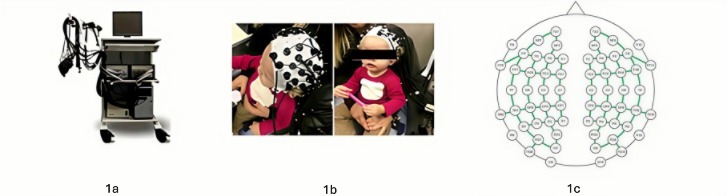 Figure 2
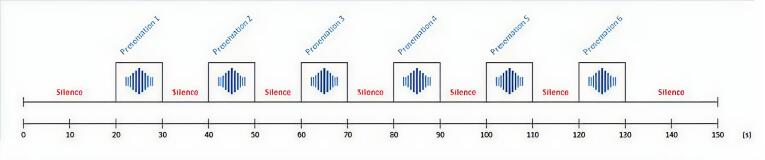 Figure 3
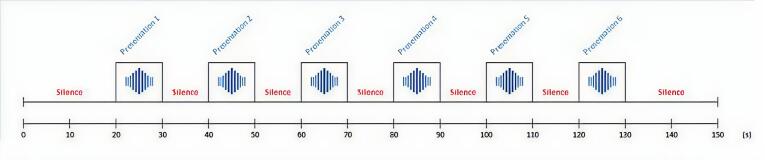 Figure 4
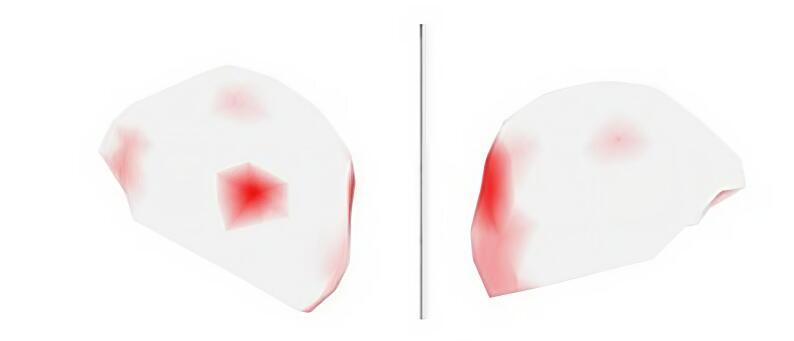 Figure 5
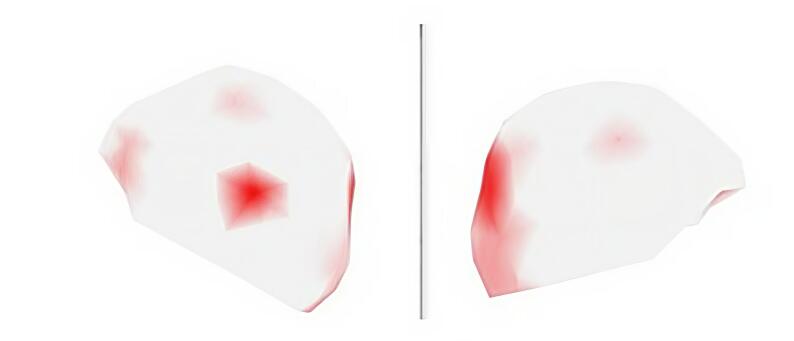 Figure 6
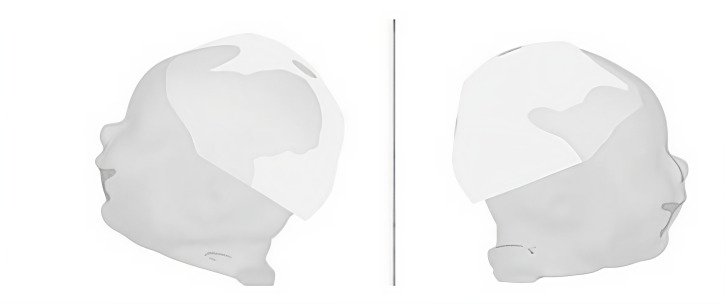 Figure 7
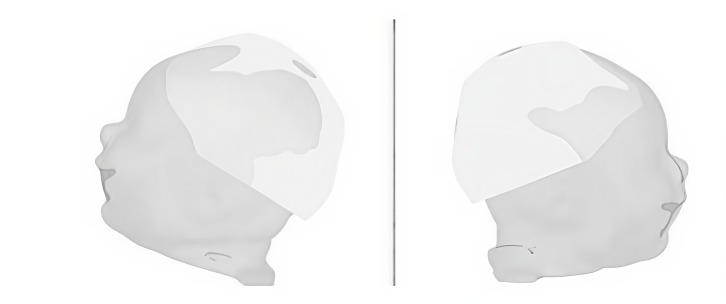 Figure 8
Peer Reviews
No public reviews on file for this paper yet. If you reviewed it on a platform where reviews are public (OpenReview, ICLR, NeurIPS, ICML), you can paste yours below so the community can read it here.
Videos
No videos yet. Explain this paper in a talk, walkthrough, or lecture? Add one.
Taxonomy
TopicsOptical Imaging and Spectroscopy Techniques · Hearing Loss and Rehabilitation · Photoreceptor and optogenetics research