Replicated Differential Expression Analysis in a Green‐Brown Polymorphic Grasshopper Reveals Role of Beta‐Carotene‐Binding Protein in Body Coloration
Chongyi Jiang, Mahendra Varma, Abhijeet Shah, Octavio M. Palacios‐Gimenez, Holger Schielzeth

TL;DR
This study identifies beta-carotene-binding proteins as key to green coloration in a grasshopper species, revealing a possible Caelifera-specific pigmentation mechanism.
Contribution
The study provides novel evidence linking beta-carotene-binding proteins to body coloration in grasshoppers and suggests a Caelifera-specific evolutionary mechanism.
Findings
Six beta-carotene-binding protein genes are consistently upregulated in green morphs of Gomphocerus sibiricus.
Beta-carotene-binding protein homologues are largely absent in non-Caelifera orthopteran species.
Ancestral and lineage-specific duplications of beta-carotene-binding protein genes suggest evolutionary diversification in pigmentation mechanisms.
Abstract
Orthoptera provide a well‐documented case of transspecies colour polymorphism, with green and brown morphs coexisting in many species. This colour polymorphism is likely under long‐term balancing selection, but the genetic and molecular mechanisms underlying the variation remain poorly understood. Here, we used transcriptome data alongside a novel chromosome‐level assembly to perform differential gene expression analysis in the club‐legged grasshopper Gomphocerus sibiricus (Caelifera: Acrididae: Gomphocerinae), aiming to identify the specific genes involved in the differentiation between green and brown morphs. Since differential expression analyses are prone to false positives, we replicated the analysis using an independent sample of individuals of the same species. We found six genes consistently upregulated in green individuals across both datasets, all annotated as…
Genes, proteins, chemicals, diseases, species, mutations and cell lines named across the full text — each resolved to its canonical identifier and authoritative record.
Click any figure to enlarge with its caption.
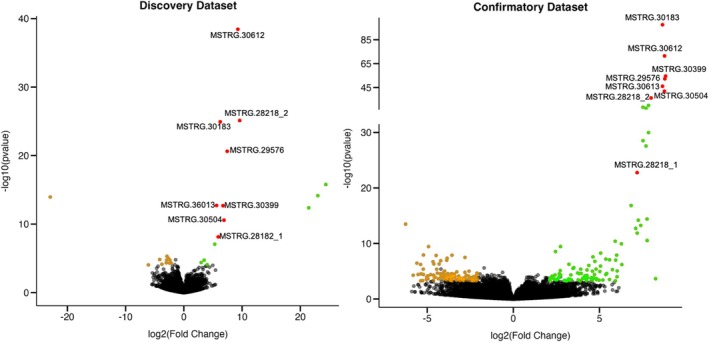 Figure 1
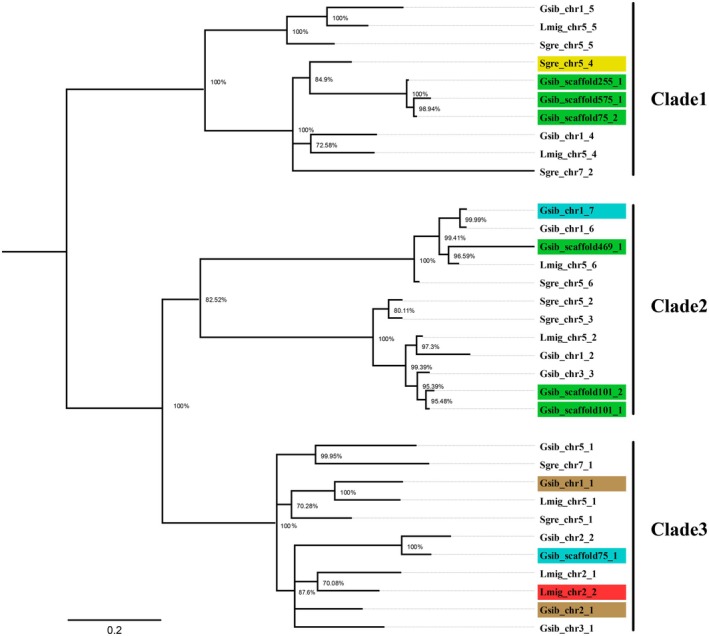 Figure 2
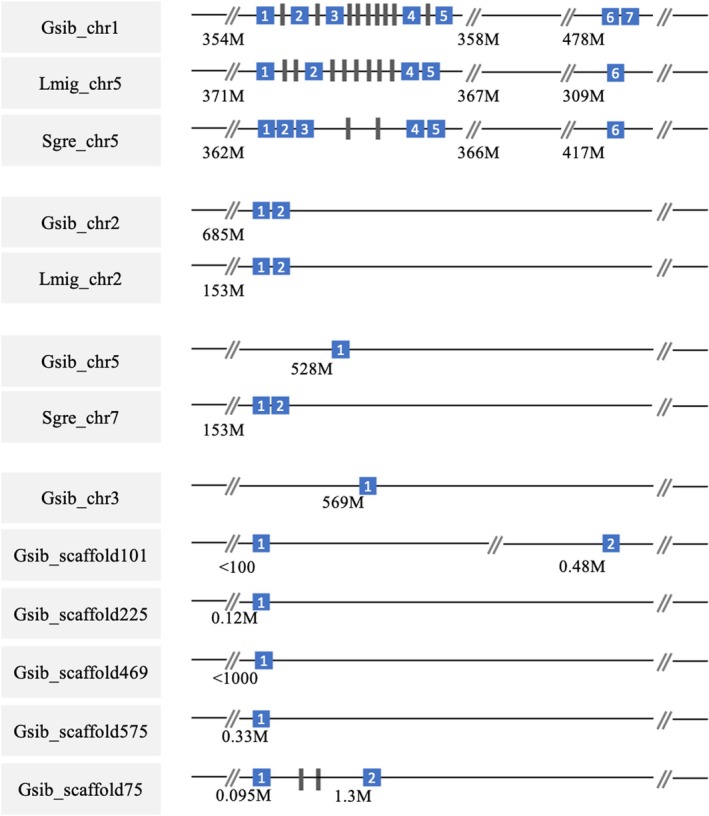 Figure 3
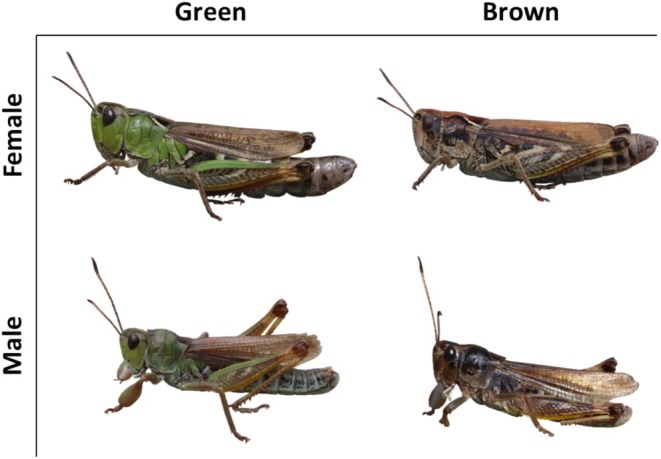 Figure 4
Peer Reviews
No public reviews on file for this paper yet. If you reviewed it on a platform where reviews are public (OpenReview, ICLR, NeurIPS, ICML), you can paste yours below so the community can read it here.
Videos
No videos yet. Explain this paper in a talk, walkthrough, or lecture? Add one.
Taxonomy
TopicsNeurobiology and Insect Physiology Research · Animal Behavior and Reproduction · Amphibian and Reptile Biology