Fibrillarin-mediated ribosomal RNA maturation is a novel therapeutic vulnerability in triple-negative breast cancer
Camille Jouines, Piero Lo Monaco, Angéline Gaucherot, Julie Radermecker, Caroline Isaac, Fleur Bourdelais, Marie-Ambre Monet, Marion Meyer, Mounira Chalabi-Dchar, Flora Nguyen Van Long, Laury Baillon, Carine Froment, Julien Marcoux, Christophe Vanbelle, Tanguy Fenouil

TL;DR
This study identifies a new potential treatment target for triple-negative breast cancer by focusing on a protein involved in ribosome production.
Contribution
The study reveals that targeting fibrillarin, a key player in ribosomal RNA maturation, is a novel therapeutic strategy for triple-negative breast cancer.
Findings
Ribosome biogenesis-related genes are overexpressed in triple-negative breast cancer compared to other subtypes.
Inhibiting fibrillarin reduces tumor growth in triple-negative breast cancer models without significant cell death.
RNA polymerase I inhibition and fibrillarin targeting both cause cell cycle arrest in triple-negative breast cancer cells.
Abstract
Triple-negative breast cancer (TNBC) remains one of the most challenging breast cancer subtypes to treat due to the lack of effective therapeutic options. Ribosome biogenesis has recently emerged as a promising therapeutic target across various cancers. Despite the current targeting of ribosome biogenesis through RNA polymerase I (RNA Pol I) inhibition, we speculated that other factors essential for ribosome assembly, such as ribosomal RNA (rRNA) maturation factors, may also represent therapeutic targets in TNBC. Ribosome biogenesis was evaluated in each breast cancer subtype using expression level of ribosome biogenesis factors from the UCSC XENA database. The sensitivity of TNBC cell to inhibition of ribosome biogenesis was evaluated on the TNBC cell lines MDA-MB-231 and BT-20, either using RNA Pol I inhibitors CX-5461 or BMH-21 or by knocking-down Fibrillarin (FBL) gene using an…
Genes, proteins, chemicals, diseases, species, mutations and cell lines named across the full text — each resolved to its canonical identifier and authoritative record.
Click any figure to enlarge with its caption.
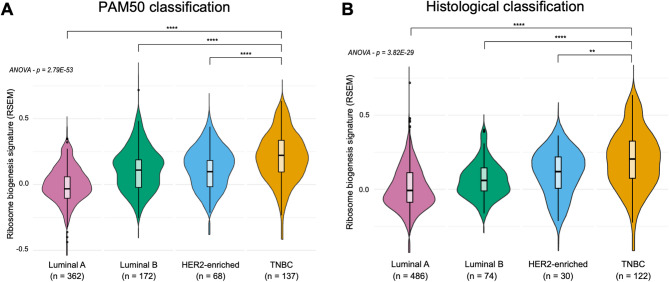 Figure 1
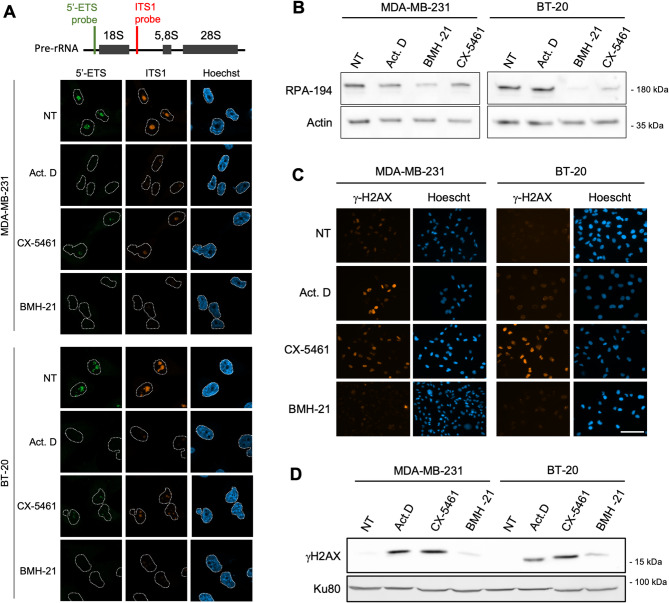 Figure 2
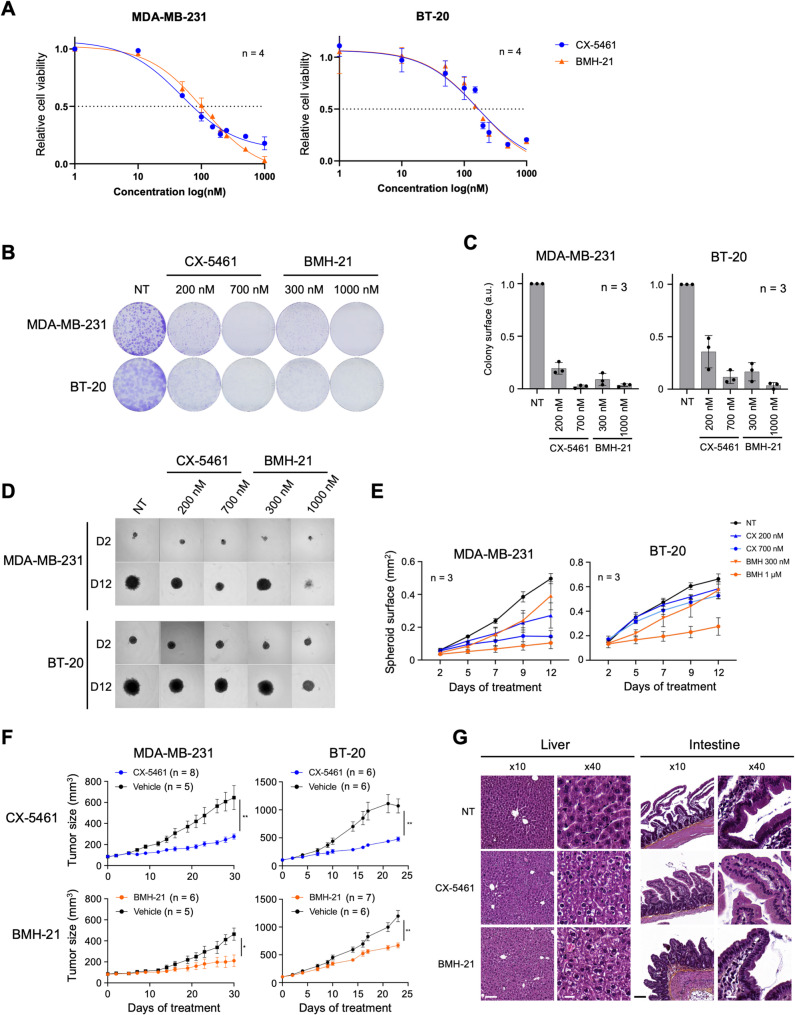 Figure 3
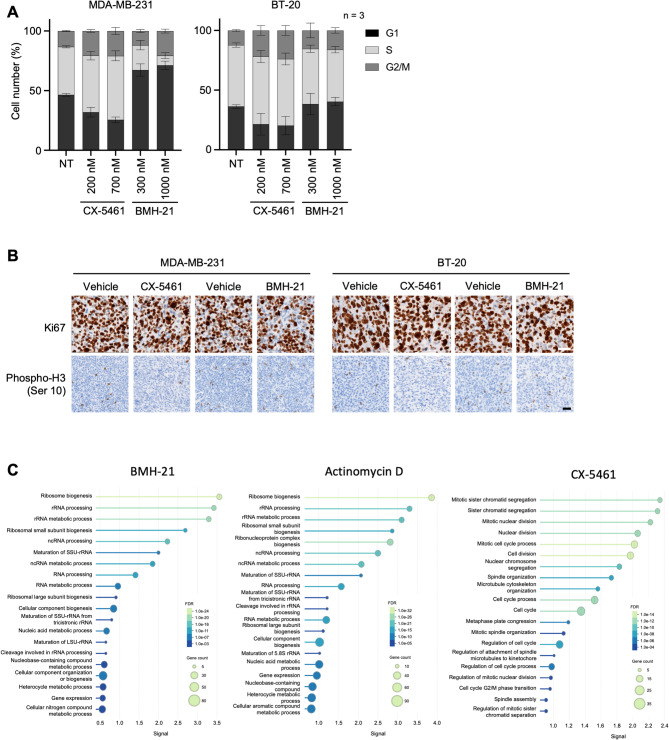 Figure 4
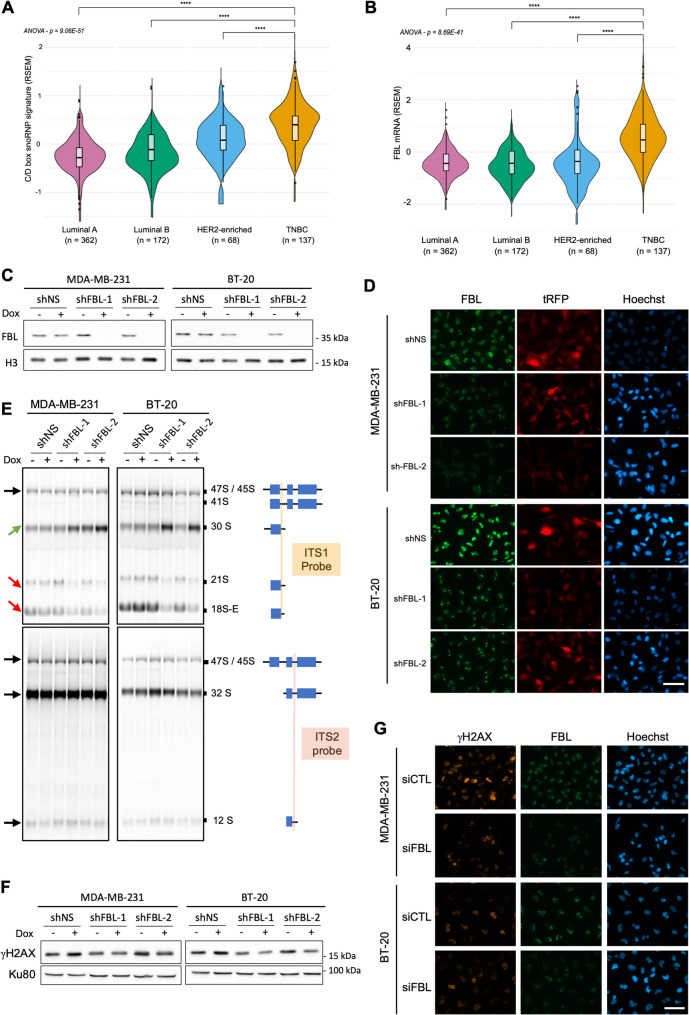 Figure 5
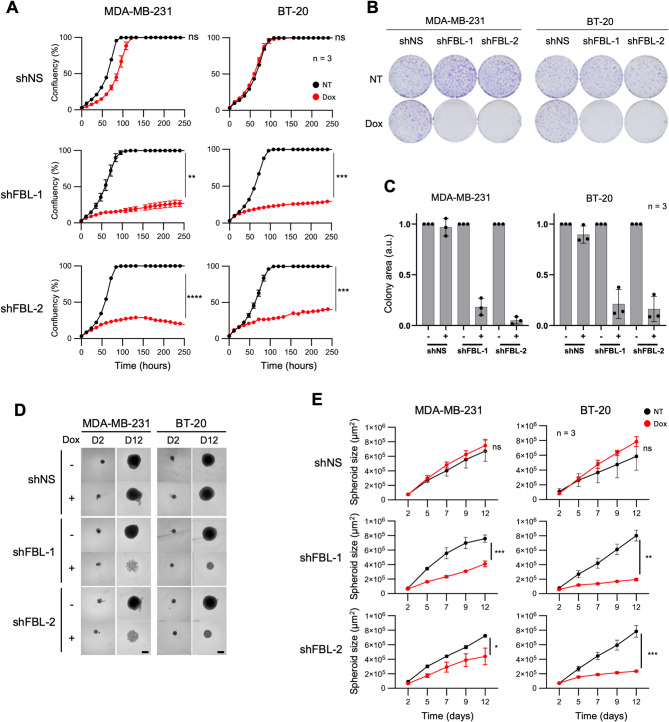 Figure 6
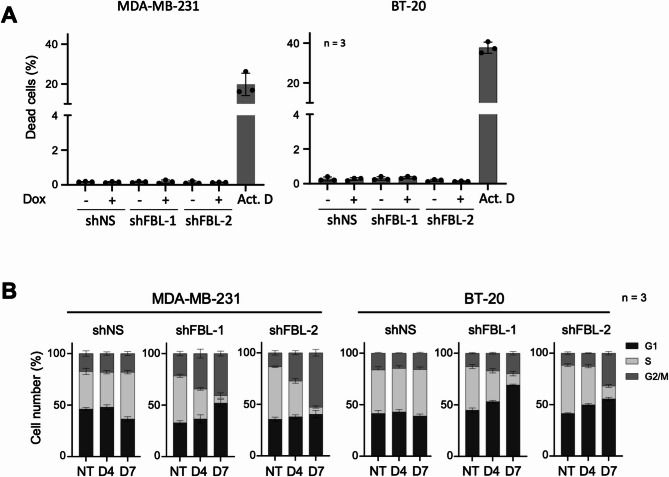 Figure 7
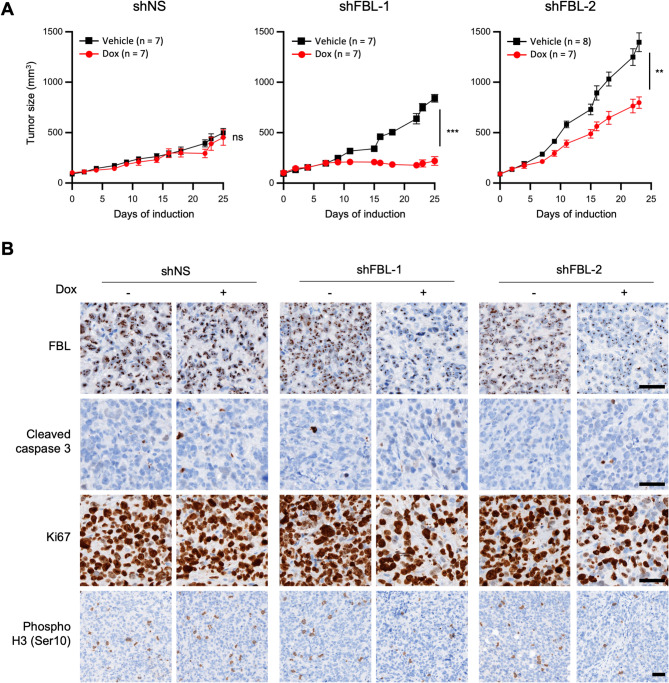 Figure 8
Peer Reviews
No public reviews on file for this paper yet. If you reviewed it on a platform where reviews are public (OpenReview, ICLR, NeurIPS, ICML), you can paste yours below so the community can read it here.
Videos
No videos yet. Explain this paper in a talk, walkthrough, or lecture? Add one.
Taxonomy
TopicsRNA modifications and cancer · RNA and protein synthesis mechanisms · RNA Research and Splicing