Mapping the overdose crisis in Ontario: geographic disparities in opioid-related harms and services
Farihah Ali, Jordan Mende-Gibson, Sameer Imtiaz, Cayley Russell, Shannon Chellew Paternostro, Sami Aftab Abdul, Nikki Bozinoff, David C. Marsh, Pamela Leece, Jürgen Rehm

TL;DR
This study reveals that sparsely populated and rural regions in Ontario face higher opioid-related harms and fewer services compared to urban areas, highlighting the need for targeted interventions.
Contribution
The study provides a nuanced geographic analysis of opioid-related harms and services in Ontario, distinguishing sparsely populated regions from rural and urban areas.
Findings
Sparsely populated regions have the highest opioid-related death rates (44.2 per 100,000) compared to urban areas (12.5 per 100,000).
Sparsely populated and rural regions have fewer opioid treatment services and prescribers despite higher harm rates.
Urban areas show the highest number but lowest rate of opioid-related harms, while sparsely populated areas show the opposite trend.
Abstract
Opioid-related harms and deaths remain a persistent public health crisis across Ontario, Canada, with non-urban regions facing a disproportionate burden. However, discussions of opioid-related harms across Ontario’s geographic regions have provided an oversimplified assessment, contrasting rural and urban regions which mask the unique challenges and true disparities faced by sparsely populated communities, which are commonly located in the Northern regions. Our study aims to provide a more in depth understanding of the opioid crisis in Ontario across different geographic classifications in accordance to population size, such as rural, urban, and sparsely populated regions, presenting data in both absolute numbers and crude rates with contextual grounding of regional characteristics. A number of different opioid-related indicators such as hospitalizations, overdose rates, opioid service…
Genes, proteins, chemicals, diseases, species, mutations and cell lines named across the full text — each resolved to its canonical identifier and authoritative record.
Click any figure to enlarge with its caption.
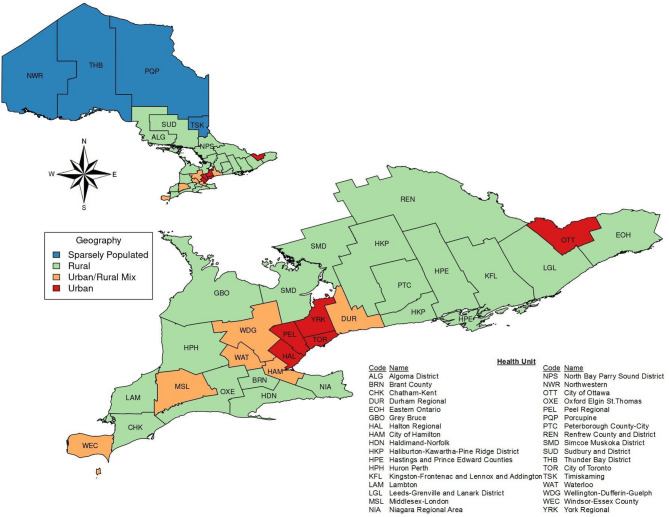 Figure 1
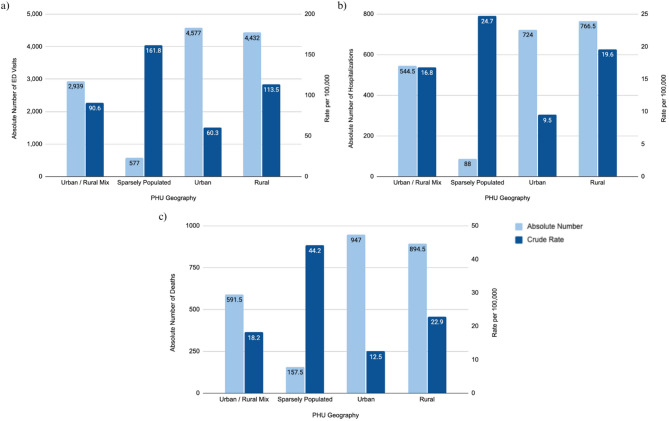 Figure 2
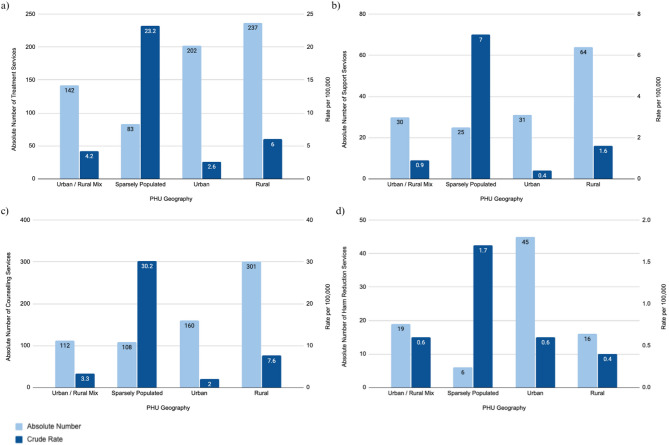 Figure 3
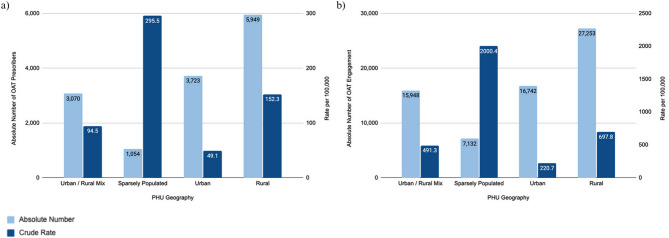 Figure 4
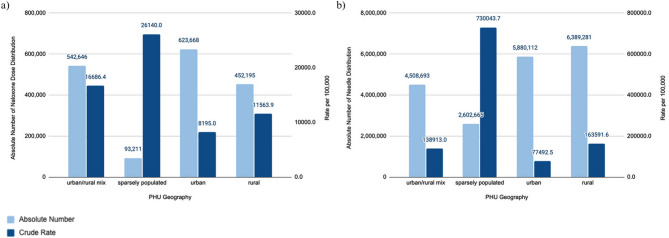 Figure 5
Peer Reviews
No public reviews on file for this paper yet. If you reviewed it on a platform where reviews are public (OpenReview, ICLR, NeurIPS, ICML), you can paste yours below so the community can read it here.
Videos
No videos yet. Explain this paper in a talk, walkthrough, or lecture? Add one.
Taxonomy
TopicsOpioid Use Disorder Treatment · HIV, Drug Use, Sexual Risk · Suicide and Self-Harm Studies