Neutrophil Extracellular Traps Activate Meningeal Fibroblast to Aggravate Subarachnoid Fibrosis in Kaolin‐Induced Hydrocephalus in Rats
Chao Ma, Zhou Feng, Binyuan Xiong, Liang Liang, Shengyan Liu, Lingxia Min, Qiang Zhang, Peiwen Guo, Jingyu Chen, Liang Tan, Jingming Hou, Zhi Chen

TL;DR
This study shows that neutrophil extracellular traps (NETs) worsen brain fluid buildup (hydrocephalus) by causing fibrosis, and blocking NETs could be a new treatment approach.
Contribution
The study identifies NETs as a novel driver of subarachnoid fibrosis in hydrocephalus and proposes them as a potential therapeutic target.
Findings
NETs are released by neutrophils in the subarachnoid space after hydrocephalus induction.
NETs stimulate meningeal fibroblast proliferation and differentiation, worsening fibrosis.
Inhibiting or degrading NETs reduces fibrosis and prevents hydrocephalus progression.
Abstract
Subarachnoid fibrosis is the key pathology of hydrocephalus, but its underlying mechanisms remains poorly understood. In the present study, we aim to verify the hypothesis that neutrophil extracellular traps (NETs), released by neutrophils infiltrated into the subarachnoid space following hemorrhage and infection, might be a crucial culprits in promoting subarachnoid fibrosis in hydrocephalus. Firstly, NETs in cerebrospinal fluid (CSF) specimens from patients and subarachnoid fibrosis of kaolin‐induced hydrocephalus rat model were detected by assay kit and immunofluorescence, respectively. Secondly, kaolin‐induced hydrocephalus rats were treated by peptidylarginine deiminase 4 (PAD4) inhibitor and DNase I. NETs, subarachnoid fibrosis, reactive gliosis, proliferation and differentiation of meningeal fibroblasts were detected by immunofluorescence and Western Blot (WB), ventricular…
Genes, proteins, chemicals, diseases, species, mutations and cell lines named across the full text — each resolved to its canonical identifier and authoritative record.
Click any figure to enlarge with its caption.
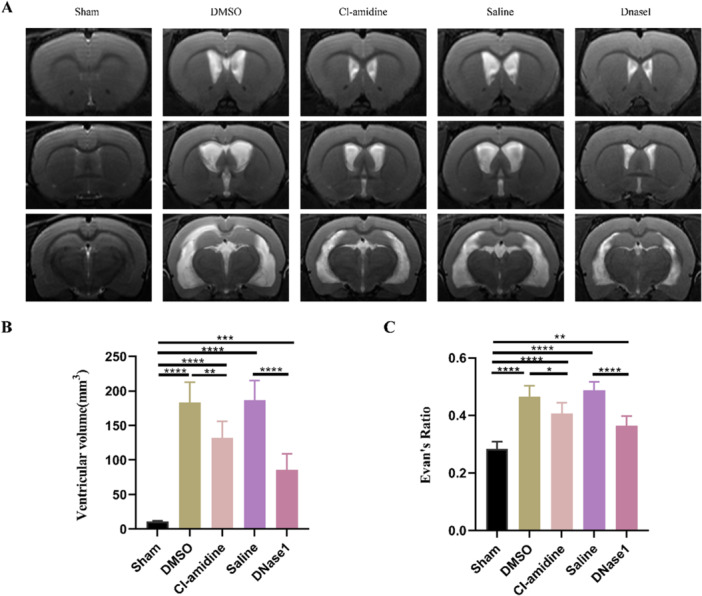 Figure 1
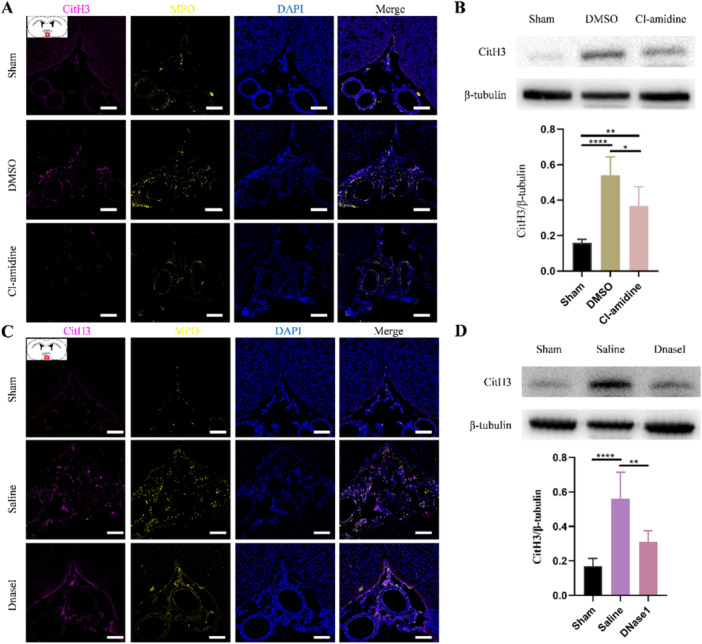 Figure 2
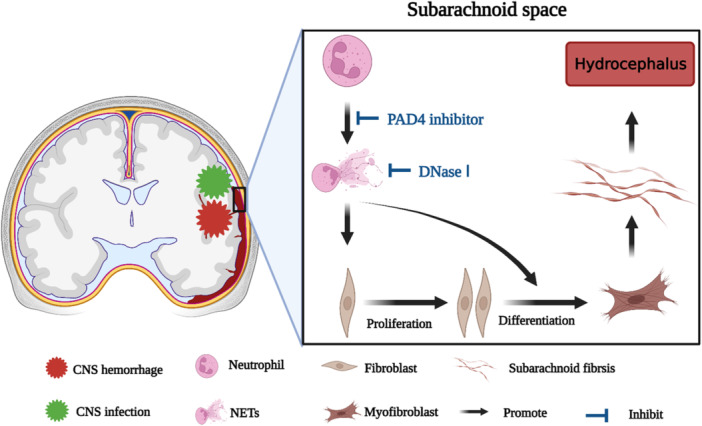 Figure 3
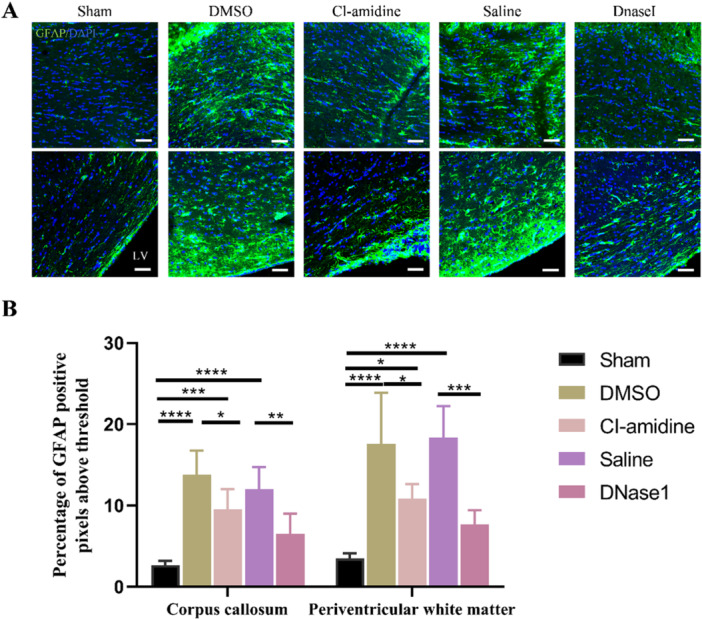 Figure 4
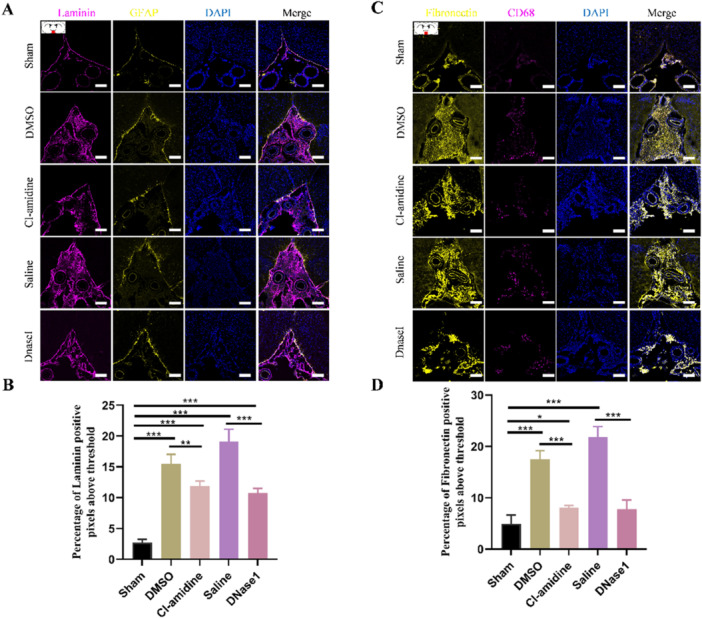 Figure 5
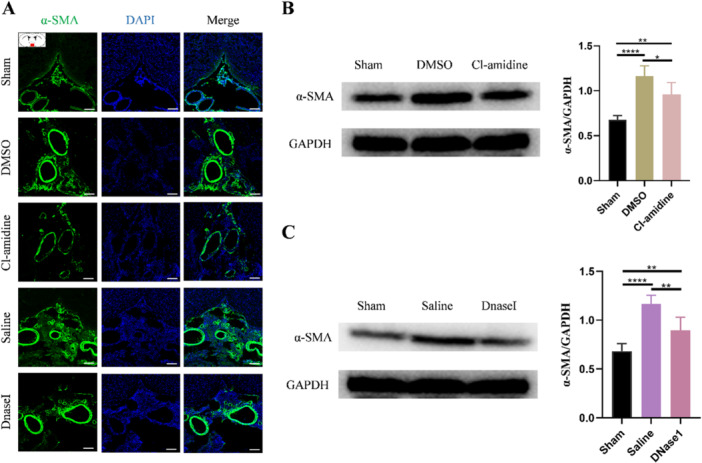 Figure 6
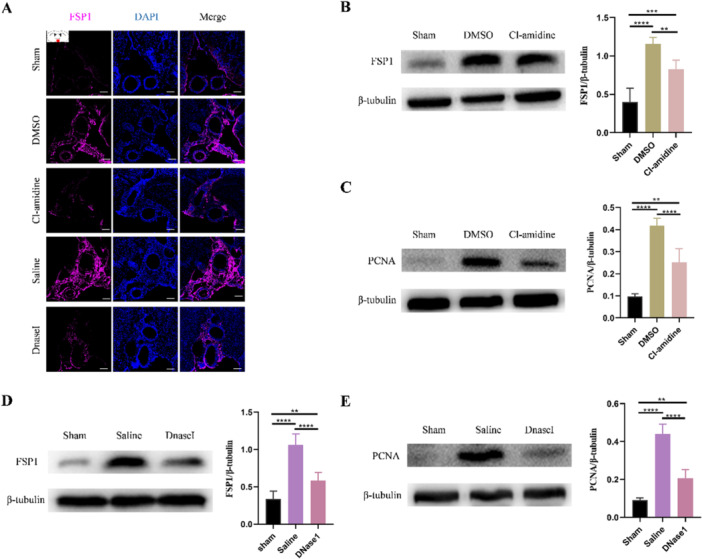 Figure 7
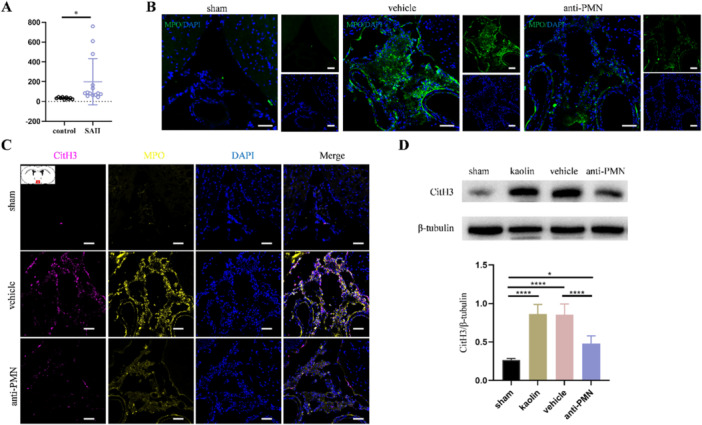 Figure 8
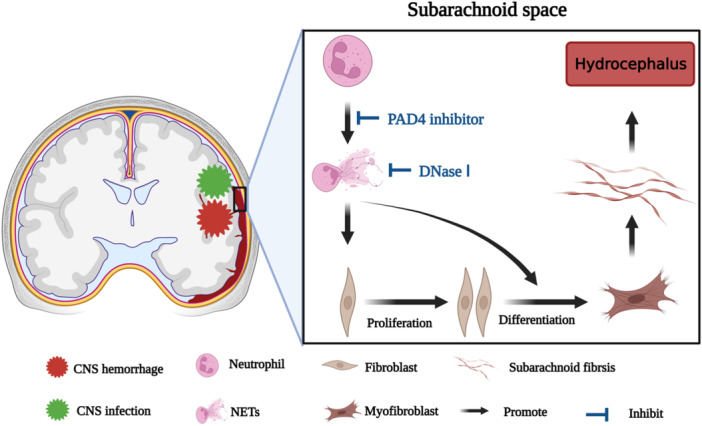 Figure 9
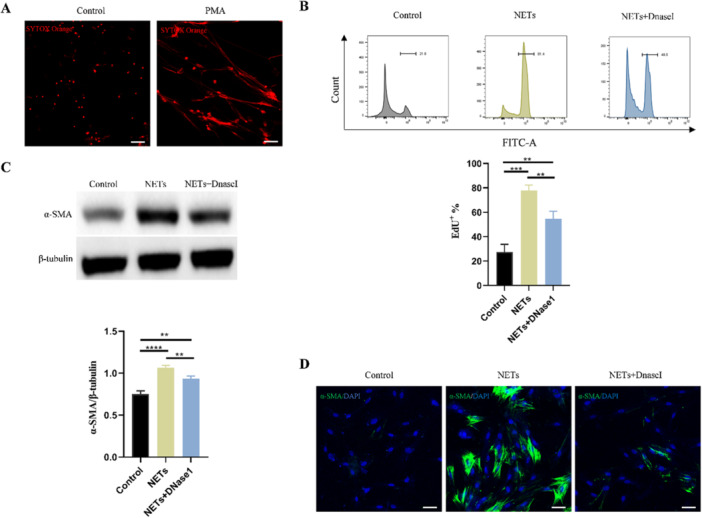 Figure 10
Peer Reviews
No public reviews on file for this paper yet. If you reviewed it on a platform where reviews are public (OpenReview, ICLR, NeurIPS, ICML), you can paste yours below so the community can read it here.
Videos
No videos yet. Explain this paper in a talk, walkthrough, or lecture? Add one.
Taxonomy
TopicsNeutrophil, Myeloperoxidase and Oxidative Mechanisms · Cerebrospinal fluid and hydrocephalus · Intracranial Aneurysms: Treatment and Complications