A two-stage strategy for methanogenesis suppression and rapid acetogenic biofilm formation in microbial electrosynthesis
Jacopo Ferretti, Marika A. J. Zegers, Marco Zeppilli, Ludovic Jourdin

TL;DR
This study introduces a two-stage method to speed up microbial growth on electrodes and reduce methane production in microbial electrosynthesis.
Contribution
A novel two-stage strategy is proposed to suppress methanogenesis and accelerate acetogenic biofilm formation in microbial electrosynthesis.
Findings
Mixotrophic start-up accelerated acetate accumulation and electrode colonization compared to heterotrophic methods.
Methane remained undetectable for 40 days with low coulombic efficiencies (<1%) when detected later.
Full electrode colonization was achieved within 55 to 65 days under mixotrophic conditions.
Abstract
The practical implementation of microbial electrosynthesis (MES) is currently limited by the slow microbial colonisation of the electrode and the need to suppress methanogenic activity. This study investigates a two-stage strategy to suppress methanogenesis and promote the rapid formation of an acetogenic biofilm in a directed-flow-through bioelectrochemical reactor. Four start-up regimes were compared: mixotrophic without heat pre-treatment (M), mixotrophic with heat pre-treatment (MT), heterotrophic without heat pre-treatment (H), and heterotrophic with heat pre-treatment (HT), each followed by a common autotrophic phase. Mixotrophy outperformed heterotrophy by accelerating and increasing acetate accumulation. However, adding heat pre-treatment (MT) introduced a short lag phase and resulted in less sustained chain elongation than mixotrophy alone (M). Under the mixotrophic regime,…
Genes, proteins, chemicals, diseases, species, mutations and cell lines named across the full text — each resolved to its canonical identifier and authoritative record.
Click any figure to enlarge with its caption.
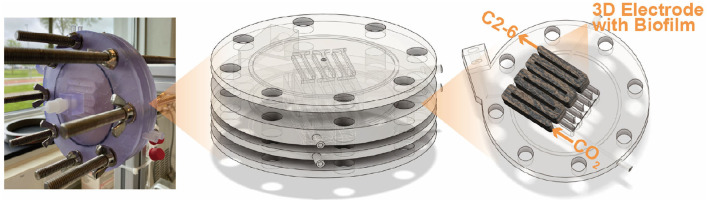 Figure 1
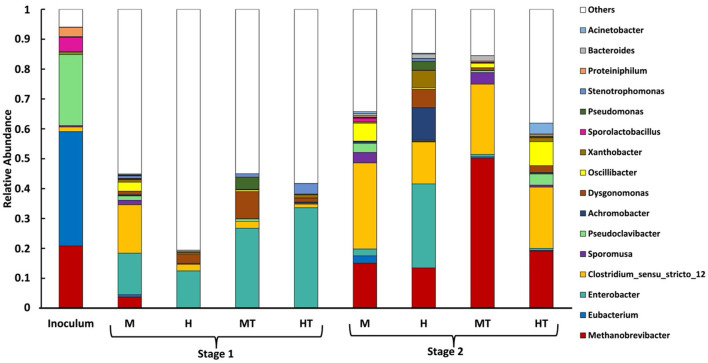 Figure 2
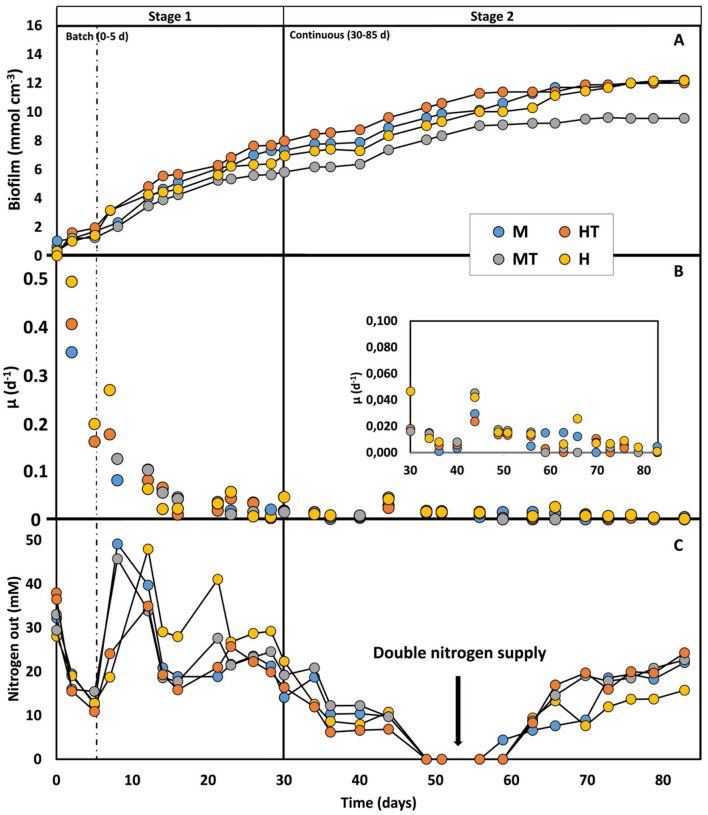 Figure 3
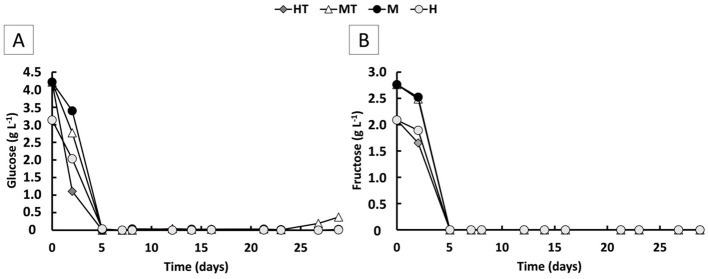 Figure 4
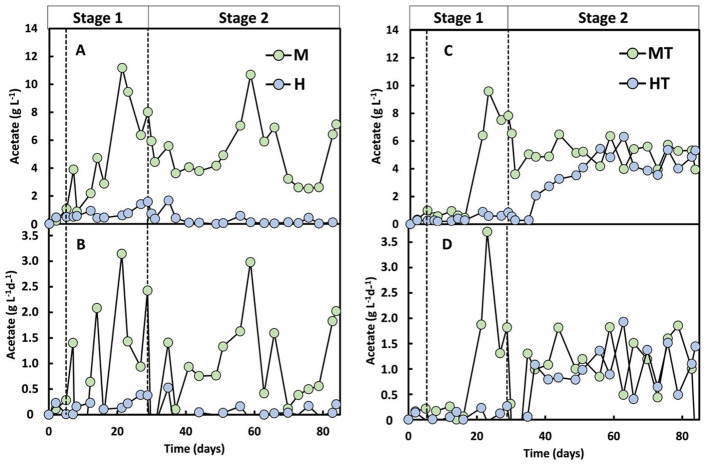 Figure 5
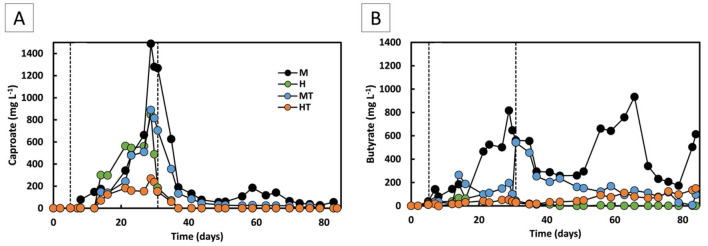 Figure 6
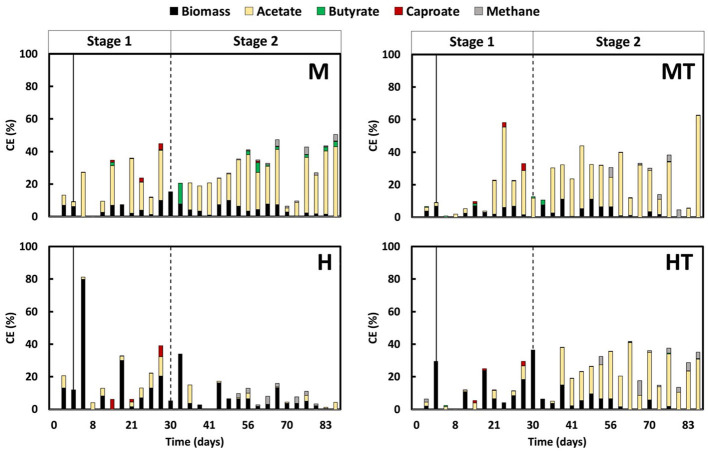 Figure 7
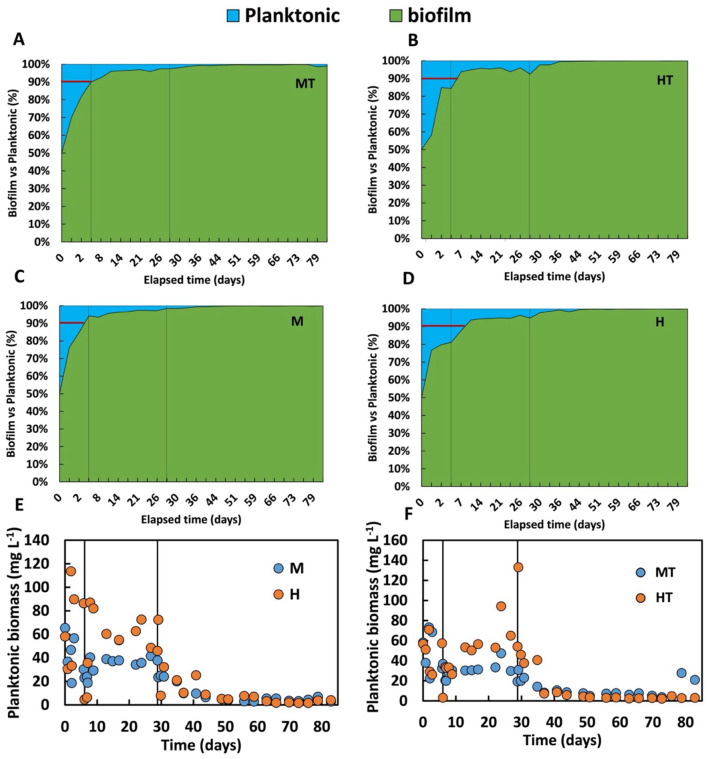 Figure 8
Peer Reviews
No public reviews on file for this paper yet. If you reviewed it on a platform where reviews are public (OpenReview, ICLR, NeurIPS, ICML), you can paste yours below so the community can read it here.
Videos
No videos yet. Explain this paper in a talk, walkthrough, or lecture? Add one.
Taxonomy
TopicsMicrobial Fuel Cells and Bioremediation · Anaerobic Digestion and Biogas Production · Microbial Applications in Construction Materials