Musculocartilaginous structure of the external ear in dromedary camels with special reference to auricular nerve blocks
Gamal Mounir Allouch, Fahad Abdullah Alshanbari, Madeh Sadan

TL;DR
This study describes the ear anatomy of dromedary camels, focusing on the structure of cartilage, muscles, and nerve locations for effective nerve blocks.
Contribution
The study provides a detailed anatomical description of the camel's external ear and identifies precise locations for auricular nerve blocks.
Findings
The camel's auricle has a distinct structure with four muscle groups and three cartilages.
Anatomical and ultrasonographic landmarks identified injection sites for internal and great auricular nerve blocks.
The findings offer a guide for clinical and surgical procedures involving the camel's ear.
Abstract
Understanding the external ear’s anatomy and the ear nerve blocks (particularly in the external acoustic meatus) is crucial for facilitating effective ear movement and treating clinical cases requiring an ear nerve block. The purpose of this study was to describe the anatomical cartilages and muscular structures of the outer ear and to investigate the appropriate anatomical location of the major nerves supplying the ear in dromedary camels. The study was conducted on 12 adult male and female dromedary camel heads of different breeds, obtained from the Buraydah slaughterhouse. The standard dissection technique was employed by placing the samples in a 10% formalin solution before dissecting them using approved dissection tools. The findings demonstrated that the auricle of camels has a particular structure. The muscles were organized into four groups: rostral, dorsal, ventral, and…
Genes, proteins, chemicals, diseases, species, mutations and cell lines named across the full text — each resolved to its canonical identifier and authoritative record.
Click any figure to enlarge with its caption.
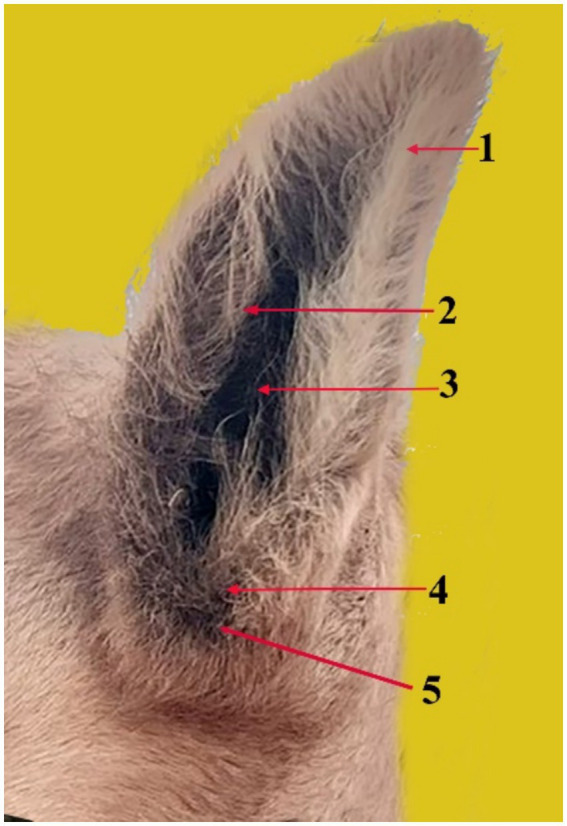 Figure 1
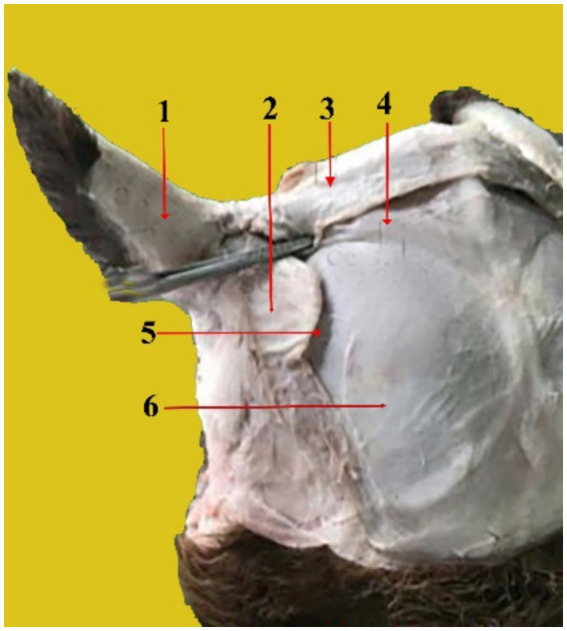 Figure 2
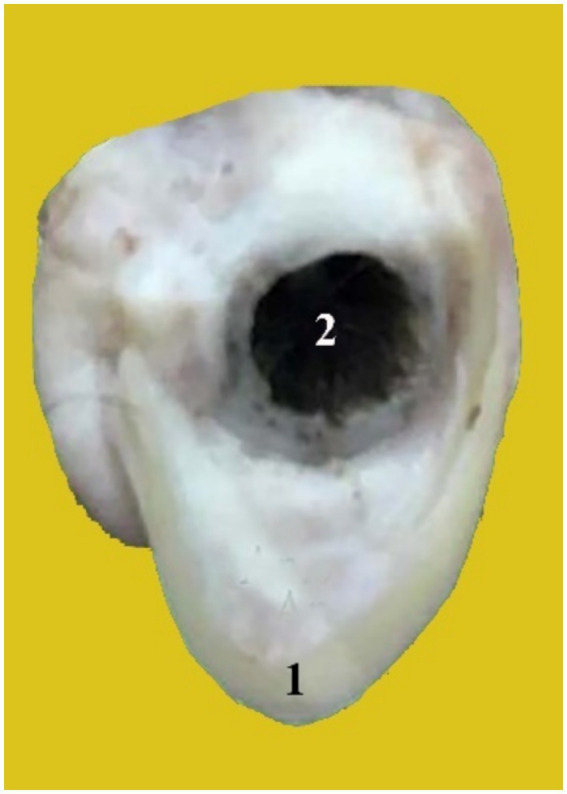 Figure 3
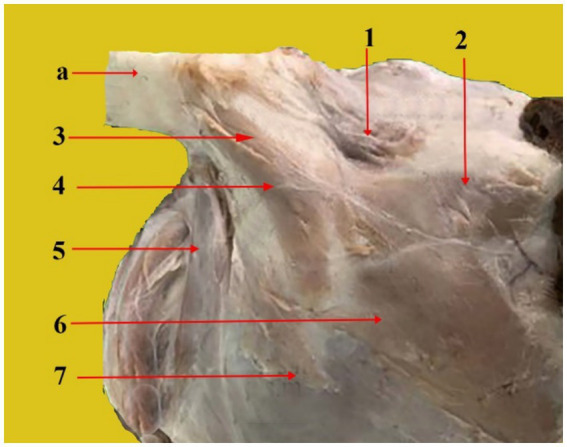 Figure 4
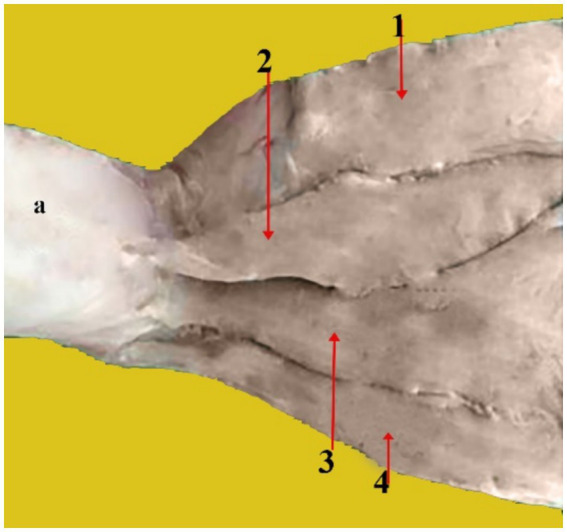 Figure 5
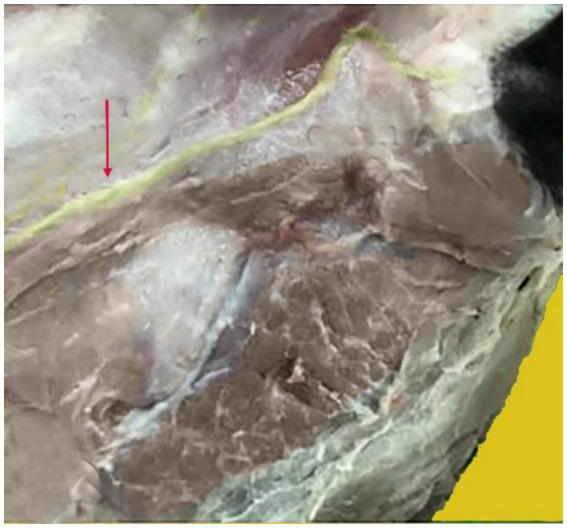 Figure 6
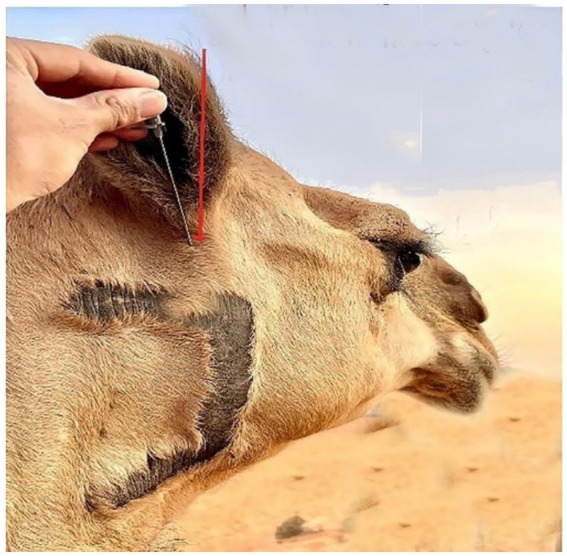 Figure 7
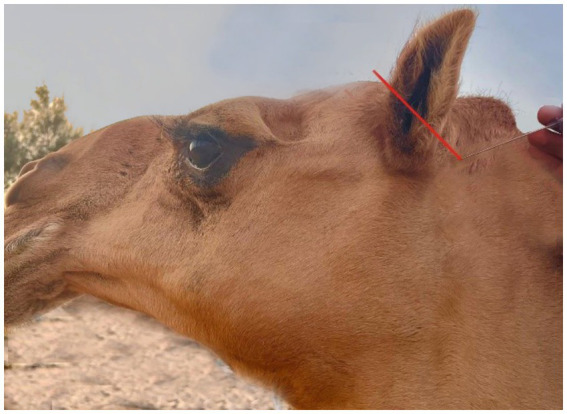 Figure 8
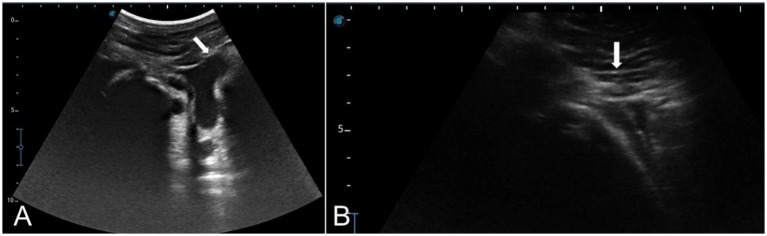 Figure 9
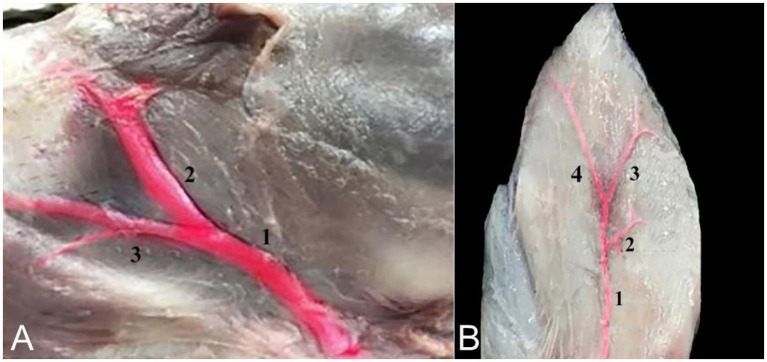 Figure 10
Peer Reviews
No public reviews on file for this paper yet. If you reviewed it on a platform where reviews are public (OpenReview, ICLR, NeurIPS, ICML), you can paste yours below so the community can read it here.
Videos
No videos yet. Explain this paper in a talk, walkthrough, or lecture? Add one.
Taxonomy
TopicsOropharyngeal Anatomy and Pathologies · Veterinary Equine Medical Research · Comparative Animal Anatomy Studies