Type IV minor pilin ComN predicted the USS-receptor in Pasteurellaceae
Stian Aleksander Helsem, Kristian Alfsnes, Stephan A. Frye, Alexander Hesselberg Løvestad, Ole Herman Ambur

TL;DR
This study identifies PpdA as the likely receptor for DNA uptake in bacteria of the Pasteurellaceae family, using computational modeling and coevolution analysis.
Contribution
The study proposes PpdA (renamed ComN) as the USS receptor in Pasteurellaceae, supported by structural modeling and coevolution evidence.
Findings
PpdA was predicted to form specific complexes with USS DNA better than scrambled sequences.
PpdA shares structural and functional features with DNA-binding minor pilins.
PpdA was found to coevolve with USS and bind DNA in two alternative orientations.
Abstract
The Uptake Signal Sequence (USS) receptor, which facilitates the acquisition of homologous DNA by natural transformation in Haemophilus influenzae and other members of the Pasteurellaceae, remains unknown. Through discriminating functional gene ontology assessment, cellular localization predictions, and deep-learning structural modeling of protein-DNA complexes, prepilin peptidase-dependent protein A (PpdA) was identified as the strongest USS receptor candidate in different Pasteurellaceae family members with divergent USS specificities. Pasteurellaceae PpdA (PpdAPast) was the only orthogroup modeled by AlphaFold3 (AF3) to form specific complexes with USS significantly better than complexes with sequence-scrambled versions of USS. Further analyses of PpdA-USS complexes using geometric deep learning protein-DNA sequence specificity predictions and coevolution analyses were found to…
Genes, proteins, chemicals, diseases, species, mutations and cell lines named across the full text — each resolved to its canonical identifier and authoritative record.
Click any figure to enlarge with its caption.
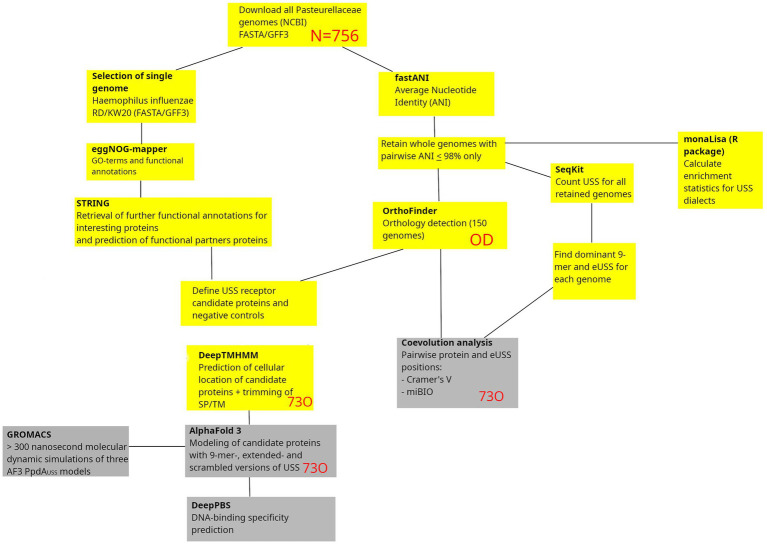 Figure 1
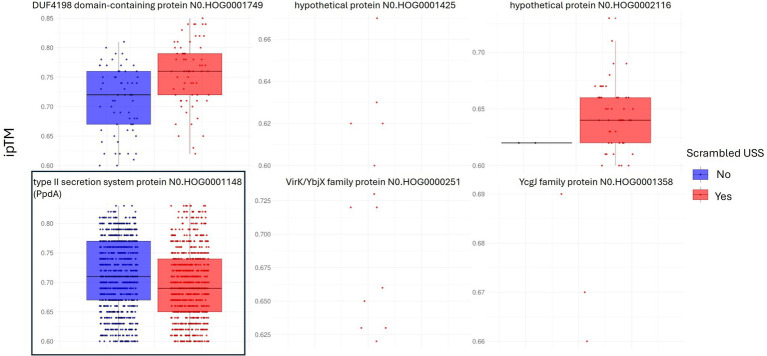 Figure 2
 Figure 3
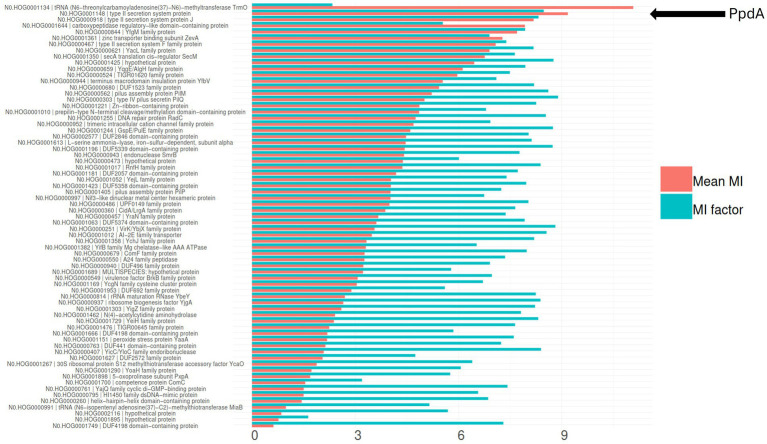 Figure 4
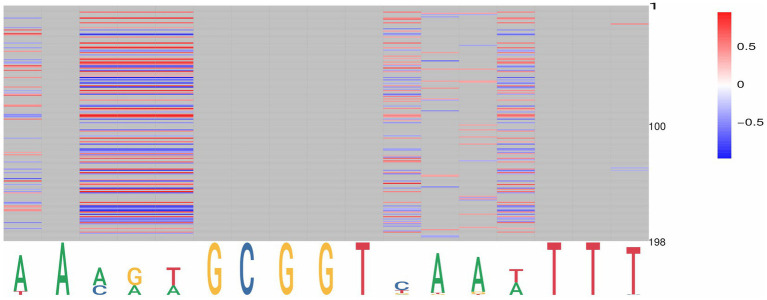 Figure 5
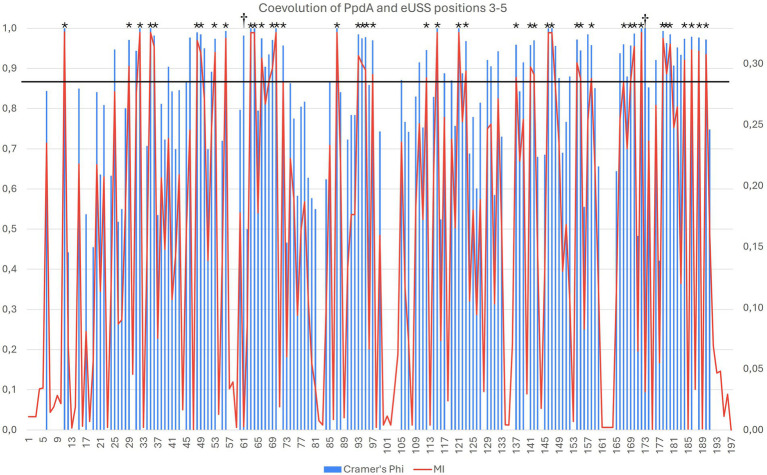 Figure 6
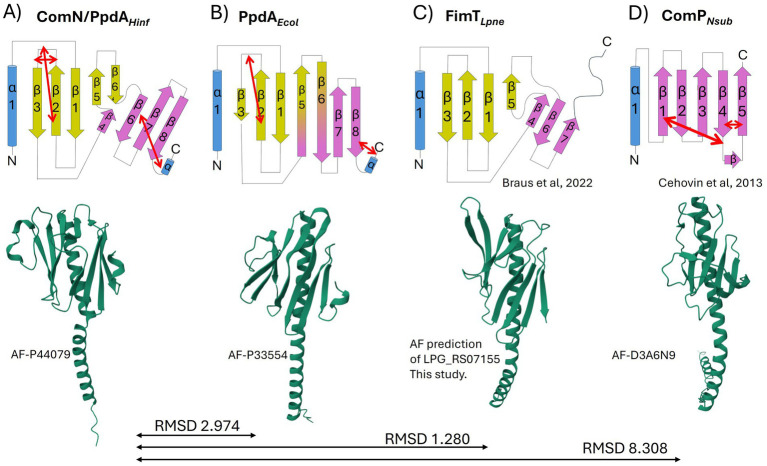 Figure 7
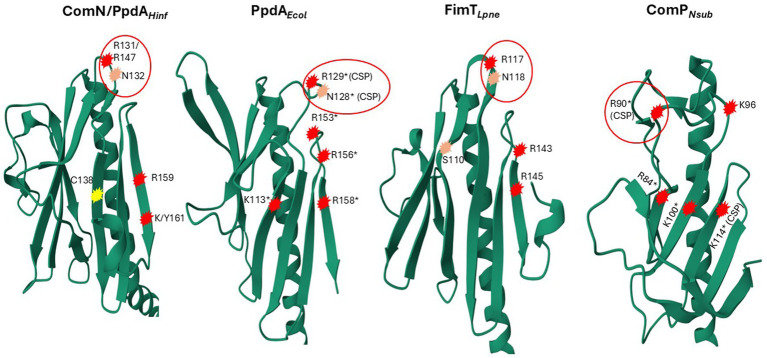 Figure 8
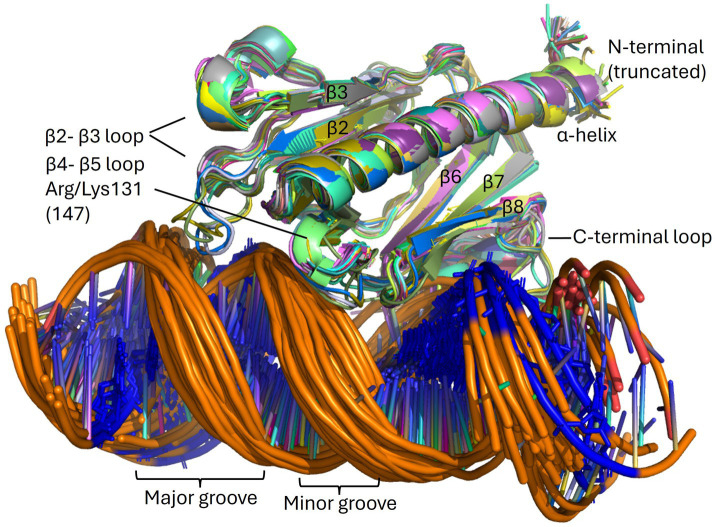 Figure 9
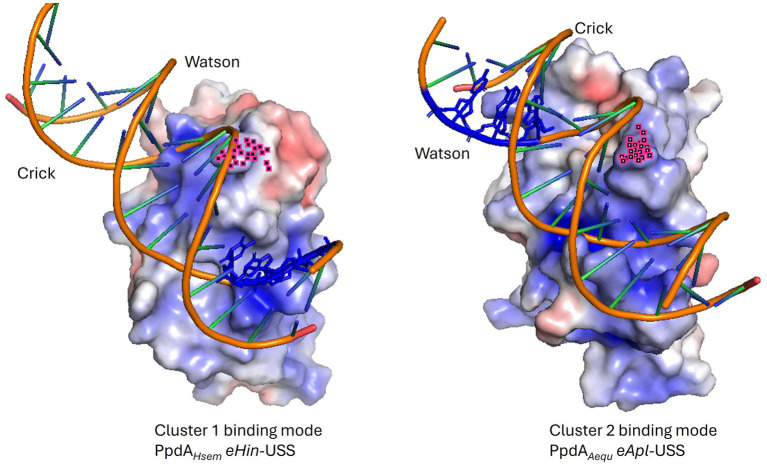 Figure 10
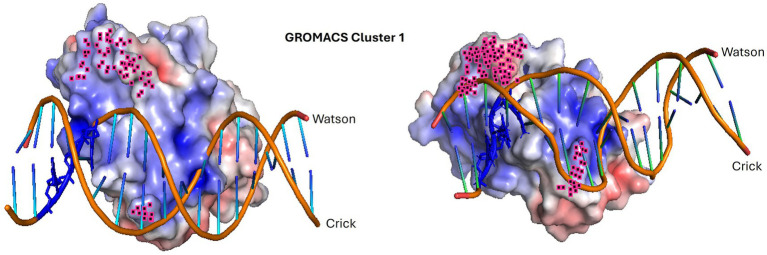 Figure 11
 Figure 12
Peer Reviews
No public reviews on file for this paper yet. If you reviewed it on a platform where reviews are public (OpenReview, ICLR, NeurIPS, ICML), you can paste yours below so the community can read it here.
Videos
No videos yet. Explain this paper in a talk, walkthrough, or lecture? Add one.
Taxonomy
TopicsBacterial Genetics and Biotechnology · Microbial infections and disease research · Machine Learning in Bioinformatics