Melatonin attenuates kidney injury by alleviating lysosomal damage in diabetic kidney disease: Melatonin delays DKD by improving lysosomal injury
Jiaqi Chen, Shuting Zhang, Xiaoquan Xue, Xiaoqin Ma, Aomiao Chen, Yichuan Wu, Geningyue Wang, Qian Zhang, Yaoming Xue, Yijie Jia, Zongji Zheng

TL;DR
Melatonin helps protect kidney cells in diabetic kidney disease by reducing lysosomal damage and improving cell function.
Contribution
The study reveals that melatonin alleviates lysosomal damage in diabetic kidney disease through the TFEB and miR-205-5p-LRP-1 pathways.
Findings
Significant lysosomal damage in DKD patients causes autophagy impairment and oxidative stress.
Melatonin upregulates TFEB and the miR-205-5p-LRP-1 pathway to restore lysosomal function.
Melatonin improves autophagy dysfunction and oxidative imbalance in diabetic kidney disease.
Abstract
Proteinuria-induced damage to renal tubular epithelial cells is one of the main causes of diabetic kidney disease (DKD), and the clearance of overloaded albumin by lysosomes is crucial for maintaining the homeostasis of renal tubular epithelial cells. Therefore, lysosomal damage is closely related to the pathogenesis of DKD, but effective prevention and treatment measures are still lacking. Melatonin (MLT) is secreted by the pineal gland and can not only regulate circadian rhythms but also maintain lysosomal homeostasis. In this study, we demonstrate the presence of significant lysosomal damage in the renal tubules of DKD patients, which causes autophagy impairment and a concomitant oxidative stress imbalance; however, MLT can upregulate transcription factor EB (TFEB) to improve lysosomal damage and restore the biosynthesis of this organelle. Mechanistically, MLT may protect lysosomes…
Genes, proteins, chemicals, diseases, species, mutations and cell lines named across the full text — each resolved to its canonical identifier and authoritative record.
Click any figure to enlarge with its caption.
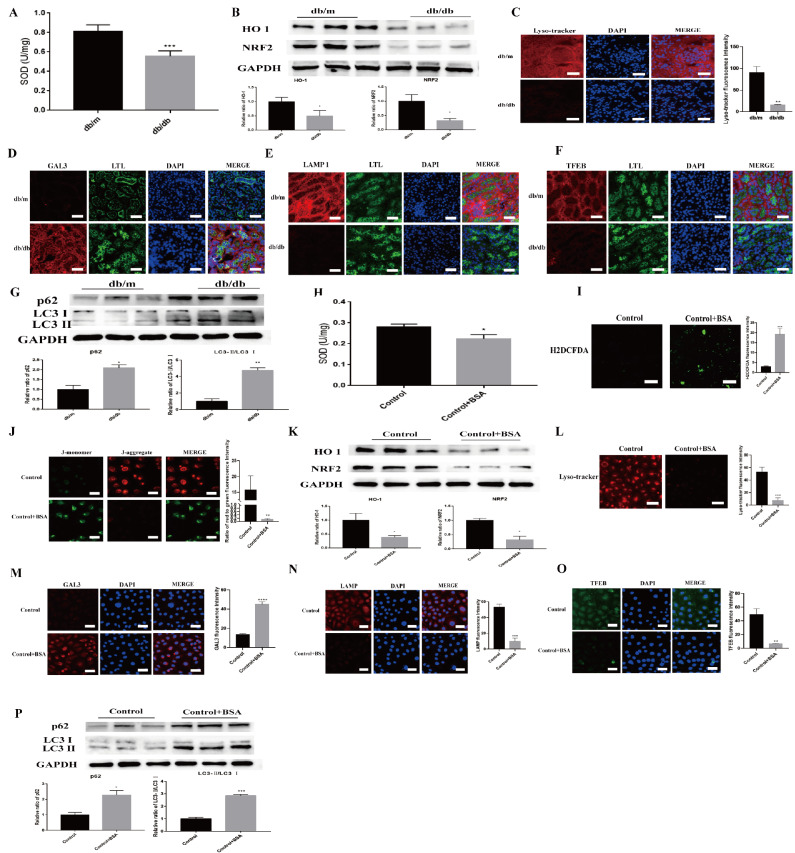 Figure 1
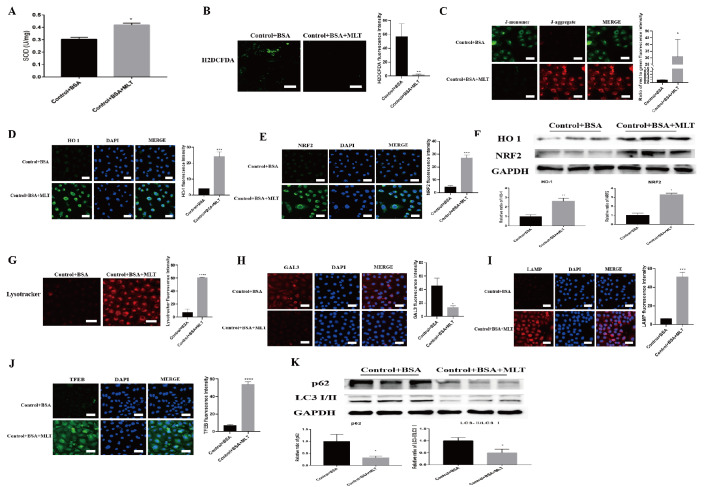 Figure 2
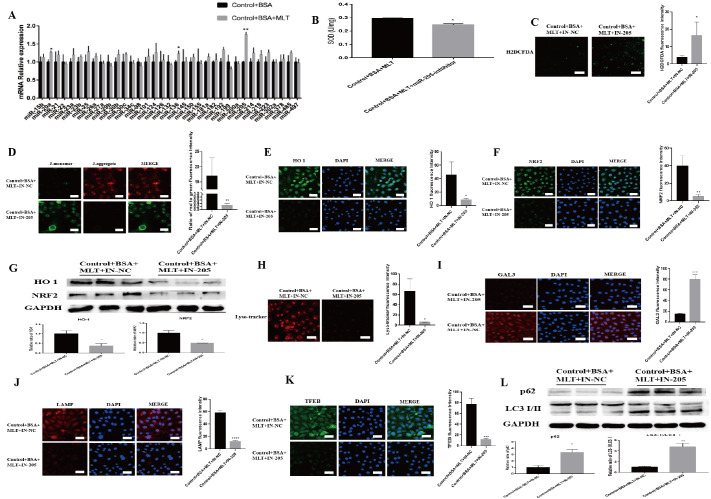 Figure 3
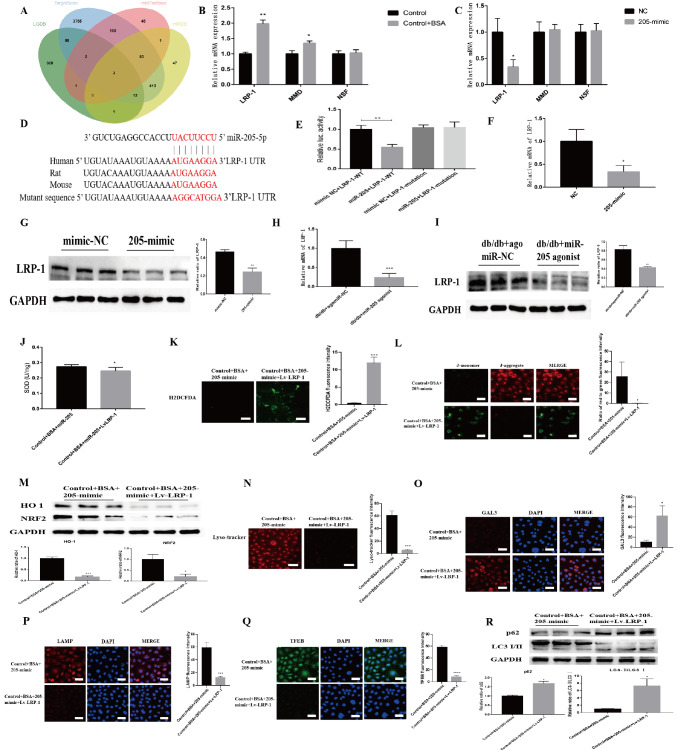 Figure 4
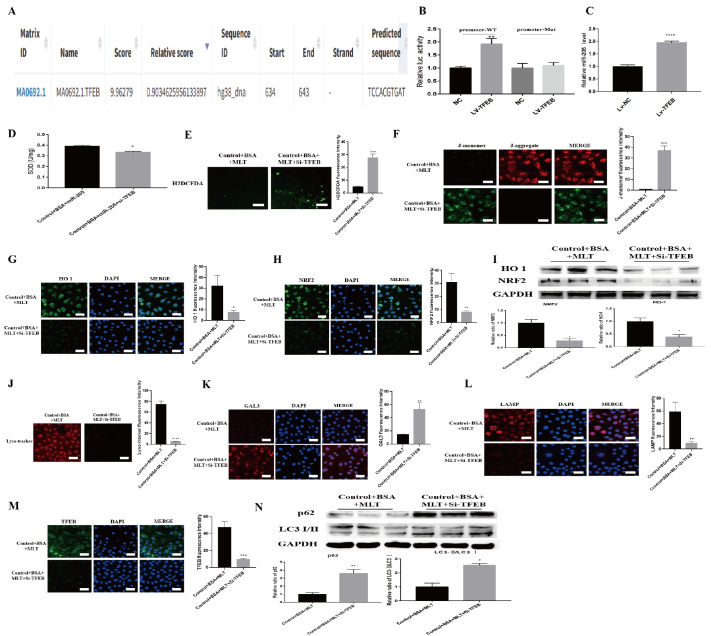 Figure 5
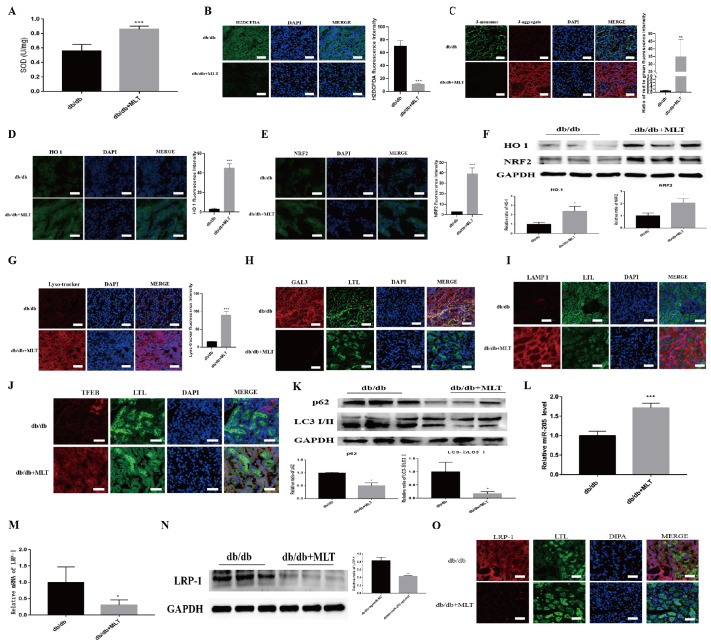 Figure 6
Peer Reviews
No public reviews on file for this paper yet. If you reviewed it on a platform where reviews are public (OpenReview, ICLR, NeurIPS, ICML), you can paste yours below so the community can read it here.
Videos
No videos yet. Explain this paper in a talk, walkthrough, or lecture? Add one.
Taxonomy
TopicsCircadian rhythm and melatonin · Biomedical Research and Pathophysiology · Advanced Glycation End Products research