Green Approaches to Enhance Bioactive Compounds in Goji Berry (Lycium barbarum) Fruits: Comparative Optimization of Pressurized Water, Microwave‐Assisted, and Ultrasound‐Assisted Extraction Technologies by Using Response Surface Methodology
Ece Yildiz-Ozturk

TL;DR
This study compares eco-friendly methods to extract health-boosting compounds from goji berries, finding ultrasound-assisted extraction to be the most efficient and sustainable.
Contribution
The first study combining RSM and energy-bioactivity assessment to optimize water-based extraction methods for goji berries.
Findings
Microwave-assisted extraction (MAE) achieved the highest antioxidant activity with 75.942% DPPH inhibition.
Pressurized water extraction (PWE) yielded the highest total phenolic content (17.753 mg GAE/g extract).
Ultrasound-assisted extraction (UAE) provided the best energy-bioactivity ratio and highest anthocyanin content (3.607 mg C3G/g).
Abstract
Goji berries (Lycium barbarum L.), a superfruit with a long history of usage in Asian medicine, are gaining recognition for their potential as functional foods because of their high levels of antioxidants, flavonoids, anthocyanins, and phenolic acids. With the growing demand from consumers for clean‐label and naturally sourced ingredients, environmentally friendly extraction technologies are now crucial to creating bioactive‐rich extracts appropriate for food and nutraceutical applications. Three eco‐friendly extraction methods—pressurized water extraction (PWE), microwave‐assisted extraction (MAE), and ultrasound‐assisted extraction (UAE)—are thoroughly evaluated in this study to maximize the bioactive compounds’ recovery from Goji berry fruits. Water was the only solvent used in all extraction processes, guaranteeing environmental sustainability and food‐grade compliance. The…
Genes, proteins, chemicals, diseases, species, mutations and cell lines named across the full text — each resolved to its canonical identifier and authoritative record.
Click any figure to enlarge with its caption.
 Figure 1
 Figure 2
 Figure 3
 Figure 4
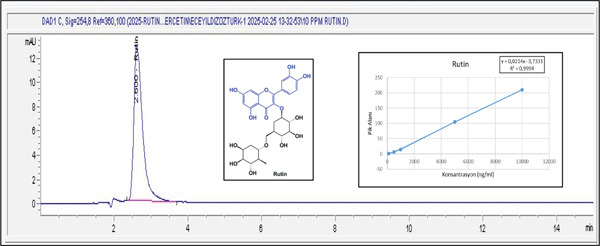 Figure 5
 Figure 6
 Figure 7
 Figure 8
 Figure 9
 Figure 10
 Figure 11
 Figure 12
 Figure 13
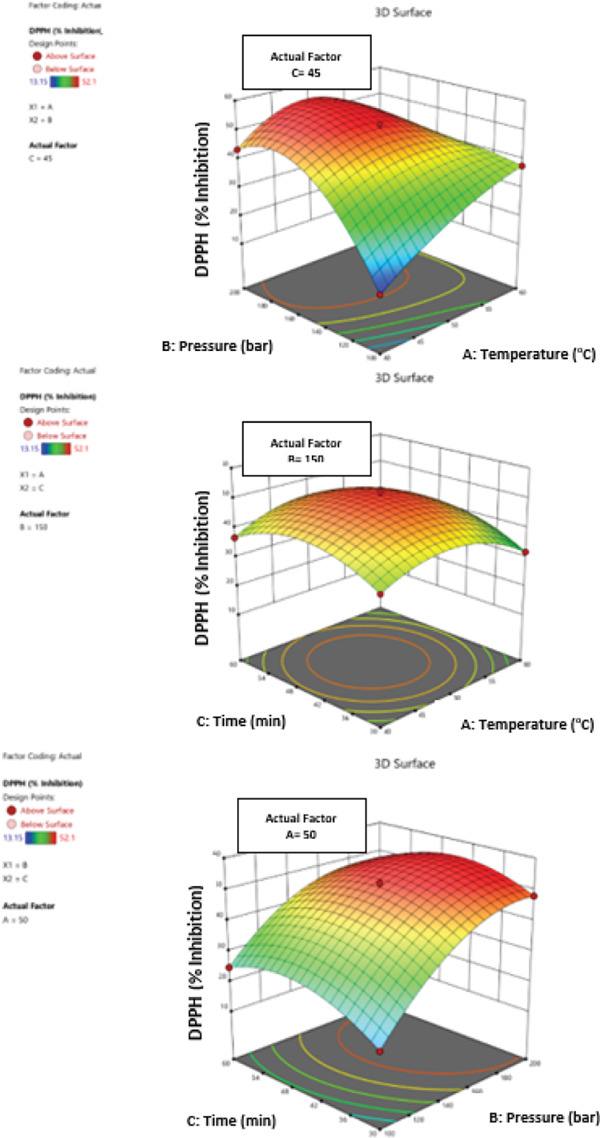 Figure 14
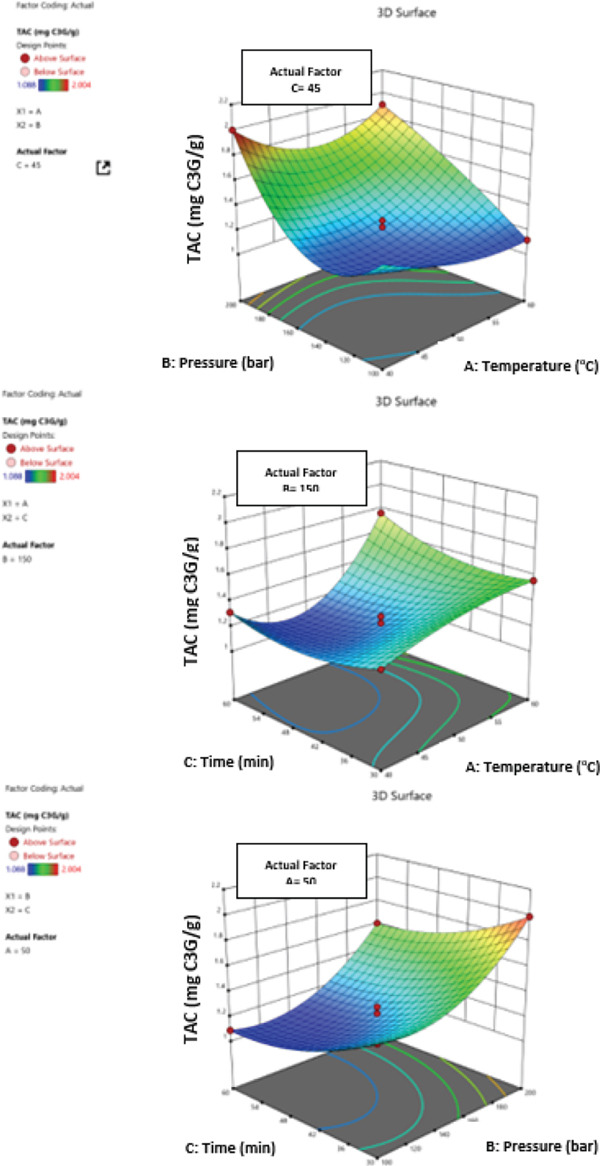 Figure 15
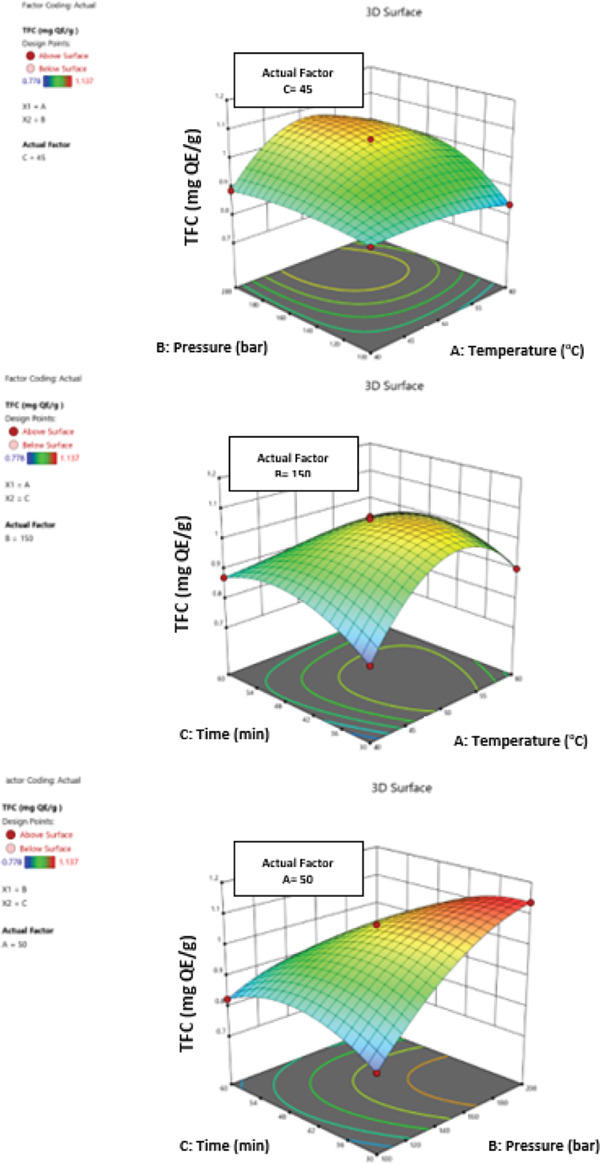 Figure 16
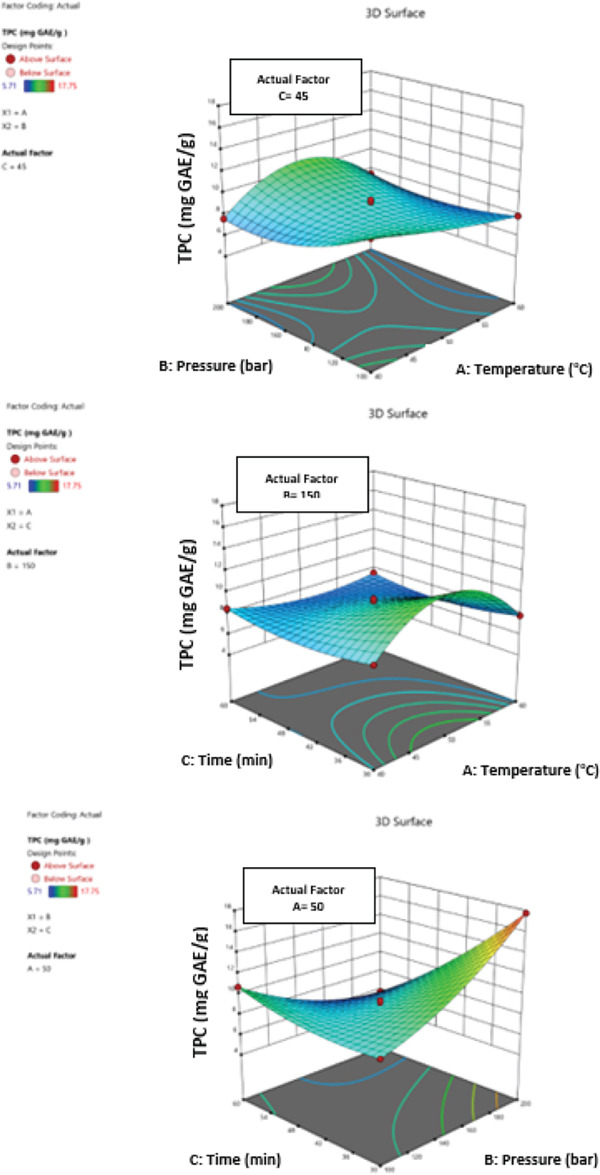 Figure 17
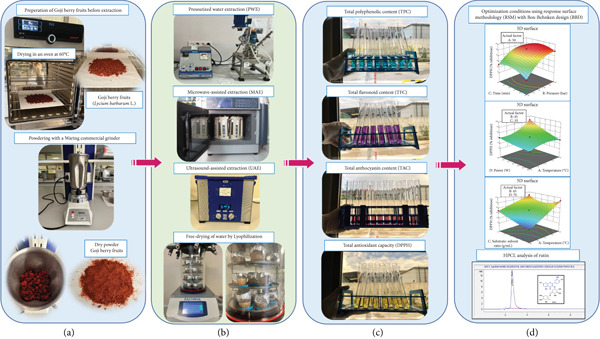 Figure 18
Peer Reviews
No public reviews on file for this paper yet. If you reviewed it on a platform where reviews are public (OpenReview, ICLR, NeurIPS, ICML), you can paste yours below so the community can read it here.
Videos
No videos yet. Explain this paper in a talk, walkthrough, or lecture? Add one.
Taxonomy
TopicsPolysaccharides and Plant Cell Walls · Phytochemicals and Antioxidant Activities · Postharvest Quality and Shelf Life Management