Accelerated Uptake of CO2 Catalyzed by Immobilized Thermophilic Carbonic Anhydrase on Dispersed Aminated Mesoporous Silica
Maja-Stina Svanberg Frisinger, Didem Mimiroglu, Latif Ullah, Swati Verma, Mats Martinelle, Per Berglund, Niklas Hedin

TL;DR
This study shows that attaching carbonic anhydrase enzymes to a special type of silica improves their stability and activity for capturing CO2, even at high temperatures.
Contribution
The study demonstrates that immobilizing thermophilic carbonic anhydrase on aminated mesoporous silica enhances its thermal stability and CO2 capture efficiency.
Findings
Adsorbed pmCA and bCA retained high activity for 14 days at 40–65 °C and 4 days at 90 °C, unlike free enzymes.
The maximum adsorption capacities were 1.4 g pmCA and 2.1 g bCA per gram of aminated SBA-15.
IR spectroscopy confirmed increased bicarbonate formation with immobilized CA in CO2-loaded dispersions.
Abstract
Efficient and durable biocatalysts are important for sustainable CO2 capture technologies, but enzyme stability often limits their use under harsh process conditions. Here, we evaluate carbonic anhydrases (CAs) adsorbed onto aminated mesoporous SBA-15 as biocatalysts for CO2 capture under the hypothesis of adsorption-induced thermal stabilization. Carbonic anhydrase from the thermophilic bacterium Persephonella marina (pmCA) and commercial bovine erythrocyte carbonic anhydrase (bCA) were used. Enzyme adsorption isotherms for pmCA and bCA onto the aminated SBA-15 were established, along with desorption tests. Adsorbed and free pmCA and bCA were incubated at 40–90 °C for 14 d. The structural integrity and possibility of amine leaching of the incubated (90°, 14 d) aminated SBA-15 were analyzed by X-ray diffraction (XRD) and NMR spectroscopy. The reaction product speciation in CO2-loaded…
Genes, proteins, chemicals, diseases, species, mutations and cell lines named across the full text — each resolved to its canonical identifier and authoritative record.
Click any figure to enlarge with its caption.
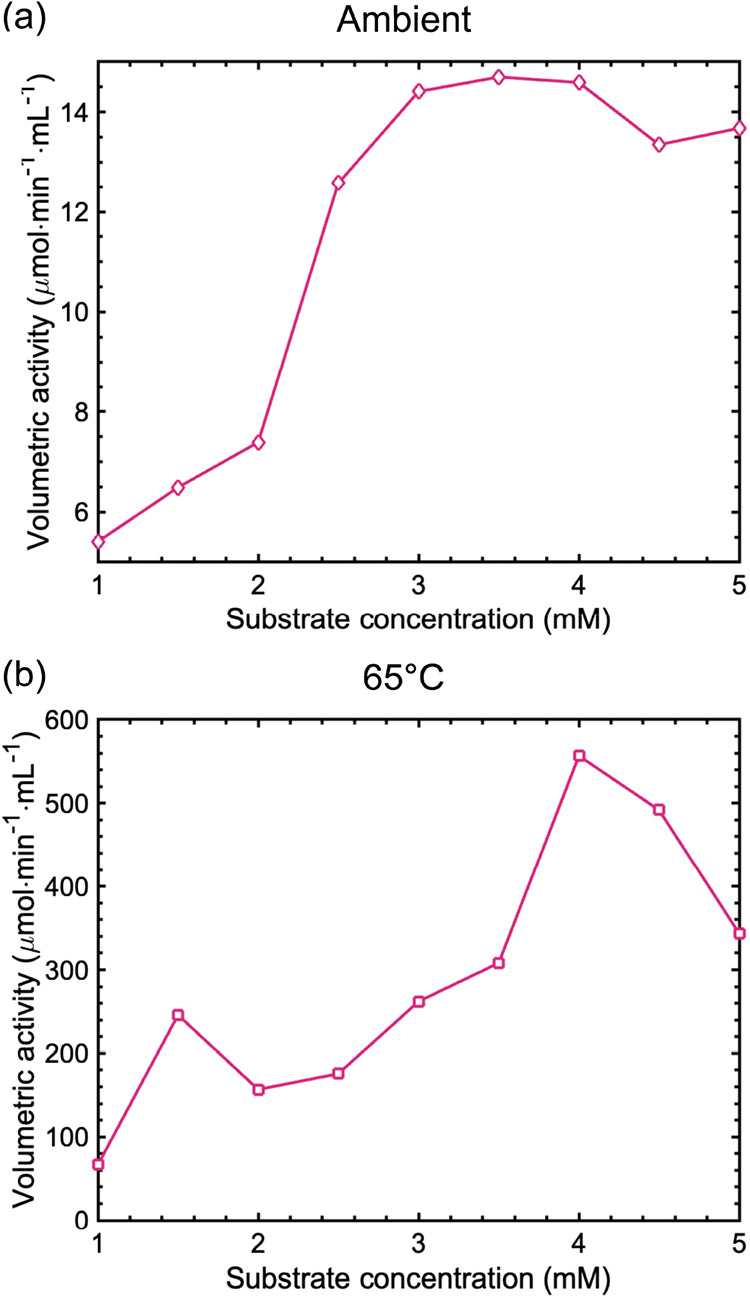 Figure 1
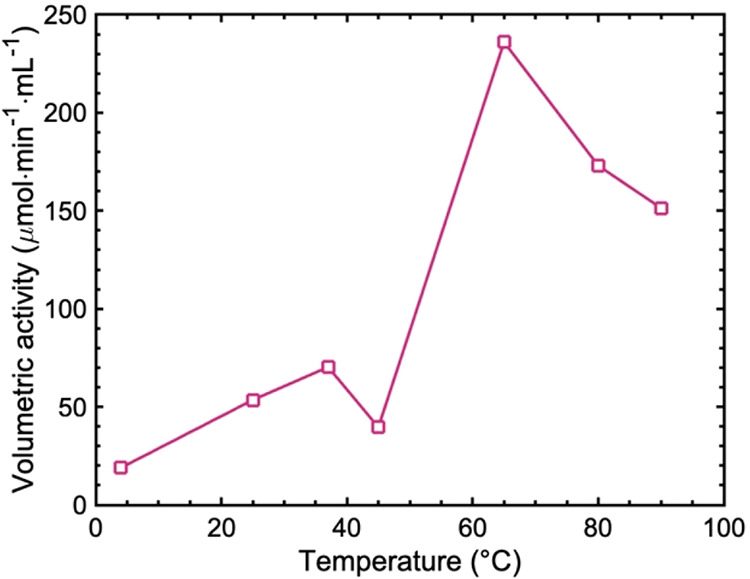 Figure 2
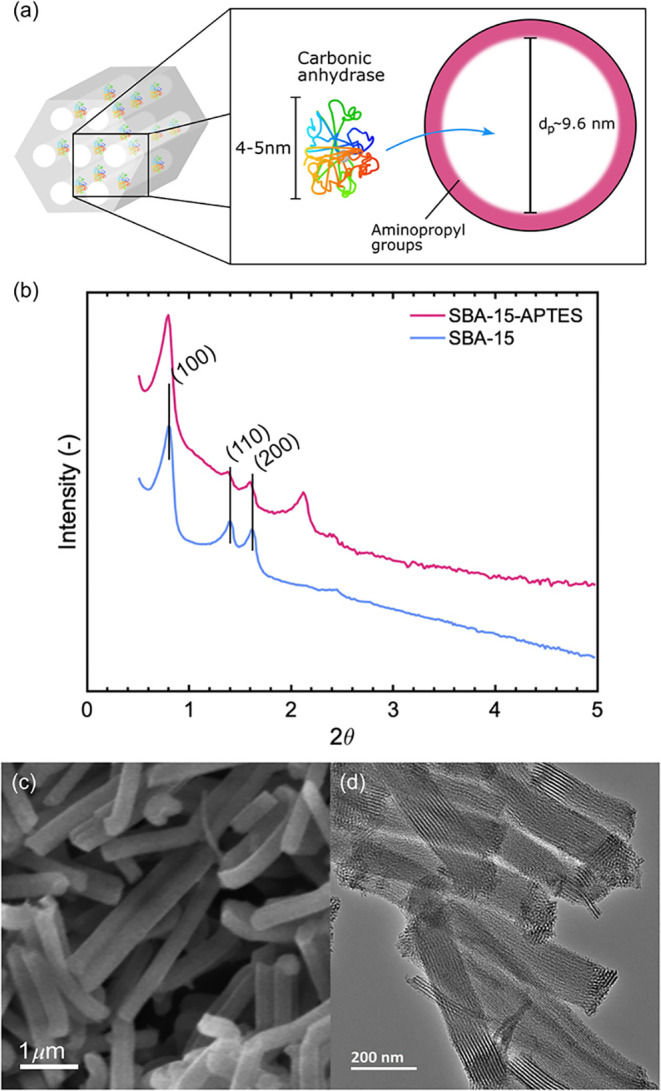 Figure 3
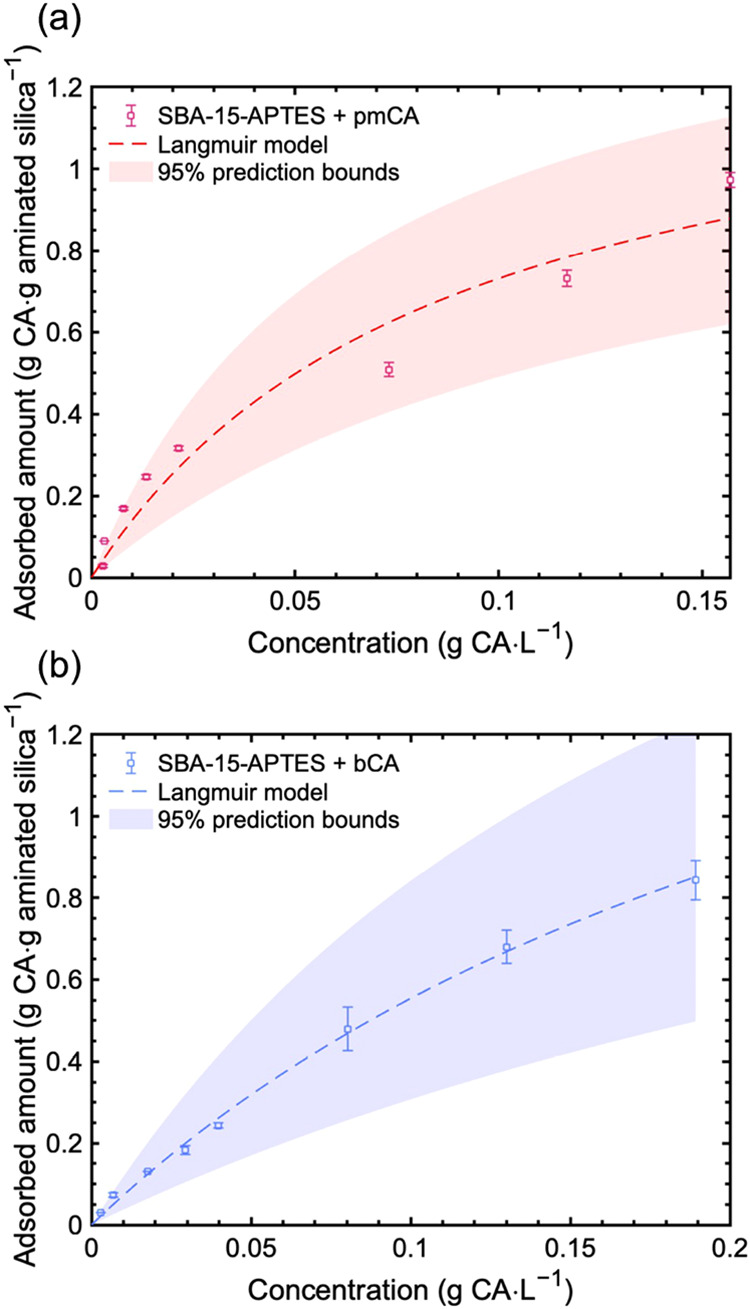 Figure 4
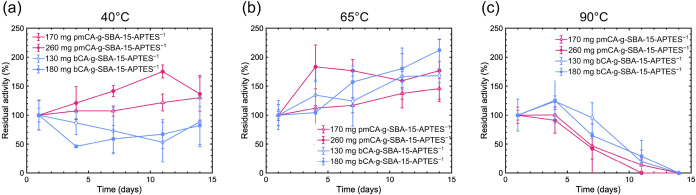 Figure 5
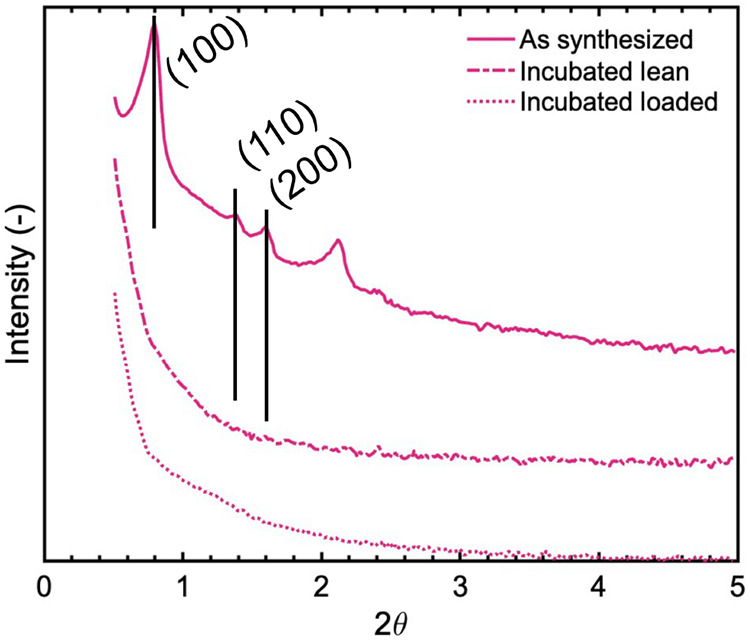 Figure 6
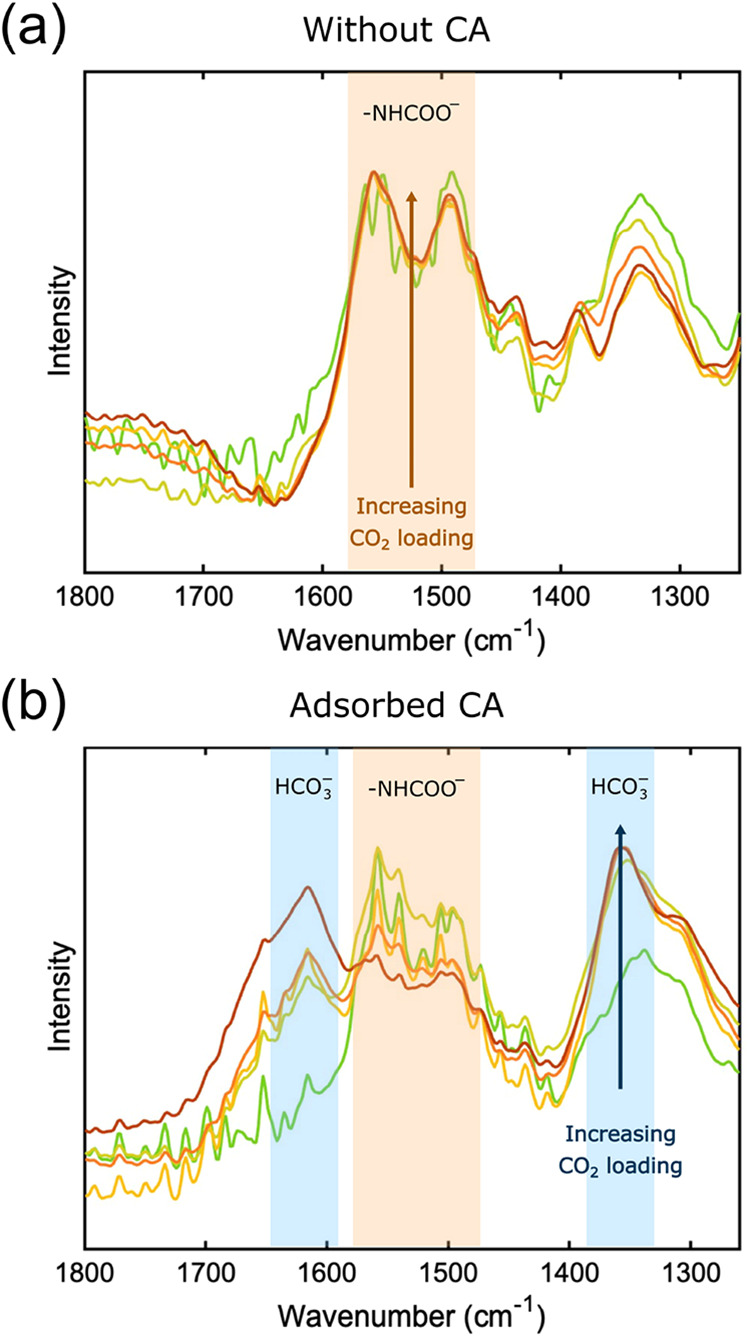 Figure 7
 Figure 8
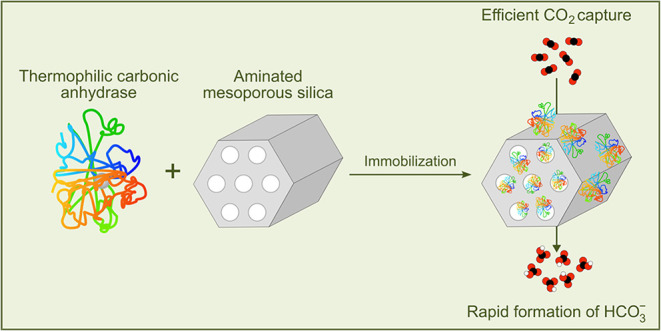 Figure 9
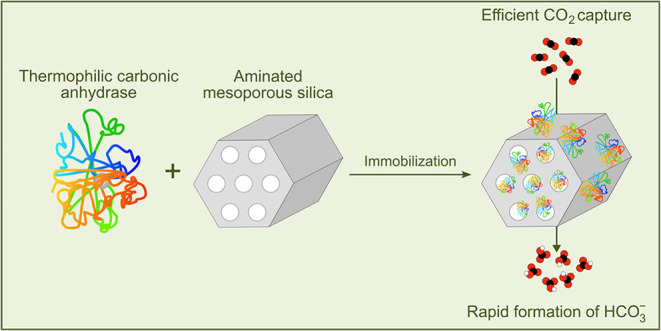 Figure 10
 Figure 11
 Figure 12
Peer Reviews
No public reviews on file for this paper yet. If you reviewed it on a platform where reviews are public (OpenReview, ICLR, NeurIPS, ICML), you can paste yours below so the community can read it here.
Videos
No videos yet. Explain this paper in a talk, walkthrough, or lecture? Add one.
Taxonomy
TopicsEnzyme function and inhibition · Enzyme Catalysis and Immobilization · Enzyme-mediated dye degradation