pH-Thermo Dual-Responsive Polymeric Nanoparticles for Women’s Health: Dual Action Against Cervical and Ovarian Cancer Cells
Giuseppe Nunziata, Emanuele Limiti, Dania Aramini, Marco Nava, Luca Moretti, Alberto Rainer, Mattia Sponchioni, Filippo Rossi

TL;DR
This paper introduces smart nanoparticles that respond to pH and temperature to deliver drugs more effectively to cervical and ovarian cancer cells.
Contribution
The novelty lies in the dual-responsive polymeric nanoparticles combining pH and thermal sensitivity for targeted drug delivery in gynecological cancers.
Findings
Nanoparticles showed sharp and reversible swelling/shrinking behavior in response to pH and temperature changes.
Drug release was significantly enhanced under tumor-like acidic conditions and above the lower critical solution temperature.
5-fluorouracil delivered via nanoparticles showed increased therapeutic efficacy in cervical and ovarian cancer cells.
Abstract
The development of smart nanocarriers capable of responding to tumor-specific stimuli represents a promising strategy for improving therapeutic selectivity in oncology. In this work, we present a class of dual-responsive polymeric nanoparticles (NPs) engineered for precision drug delivery in gynecological cancers. Amphiphilic block copolymers of the type P(MAA)-b-P(EG2MA-co-NIPAM) integrating pH-responsive methacrylic acid (MAA) and thermoresponsive diethylene glycol methyl ether methacrylate (EG2MA) and N-isopropylacrylamide (NIPAM) units were synthesized via reversible addition–fragmentation chain transfer (RAFT) polymerization. Fine-tuning of the lower critical solution temperature (LCST) was achieved by modulating the ratio between NIPAM and EG2MA, yielding copolymers with cloud points within the physiologically relevant range of 30–40 °C. The resulting NPs exhibited sharp and…
Genes, proteins, chemicals, diseases, species, mutations and cell lines named across the full text — each resolved to its canonical identifier and authoritative record.
Click any figure to enlarge with its caption.
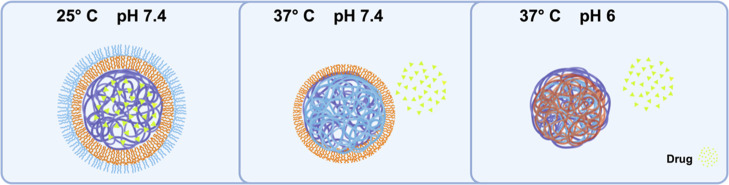 Figure 1
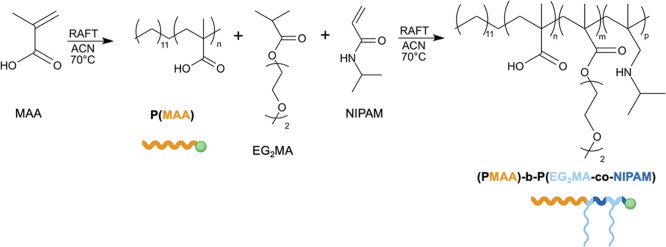 Figure 2
 Figure 3
 Figure 4
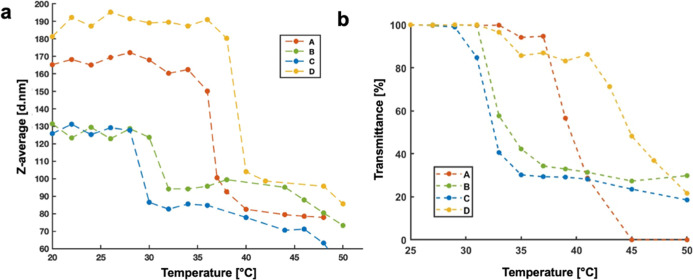 Figure 5
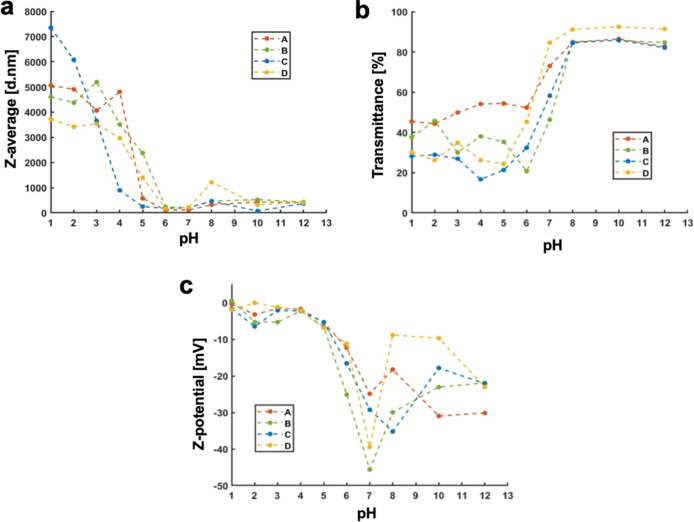 Figure 6
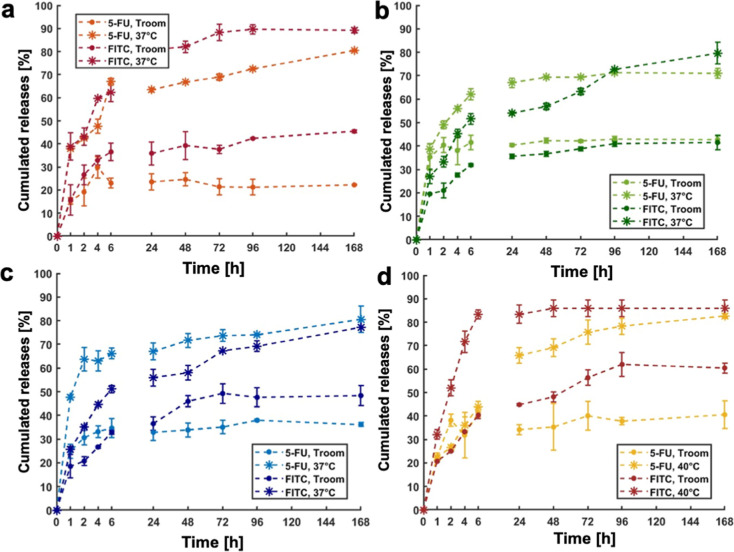 Figure 7
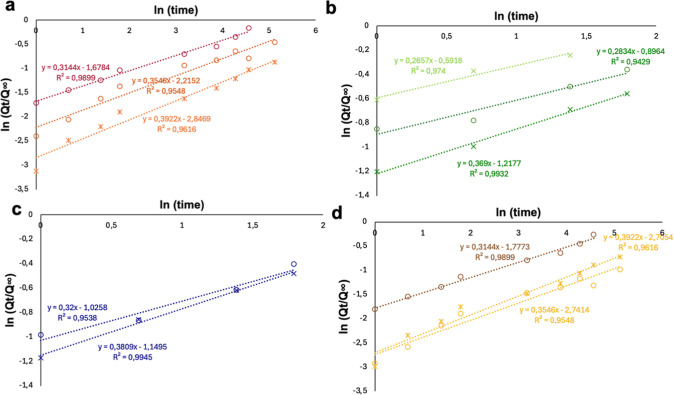 Figure 8
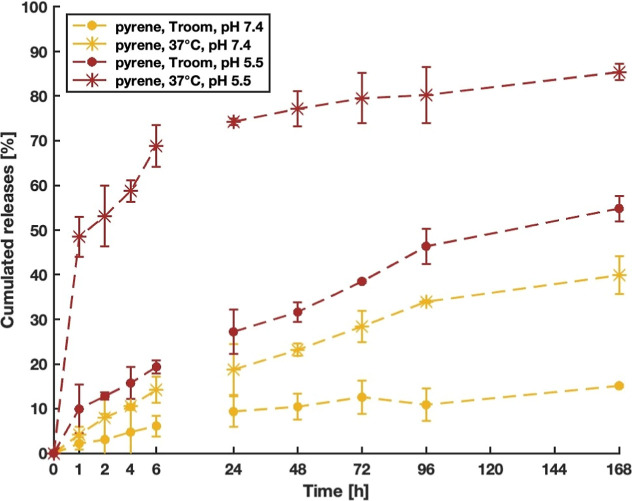 Figure 9
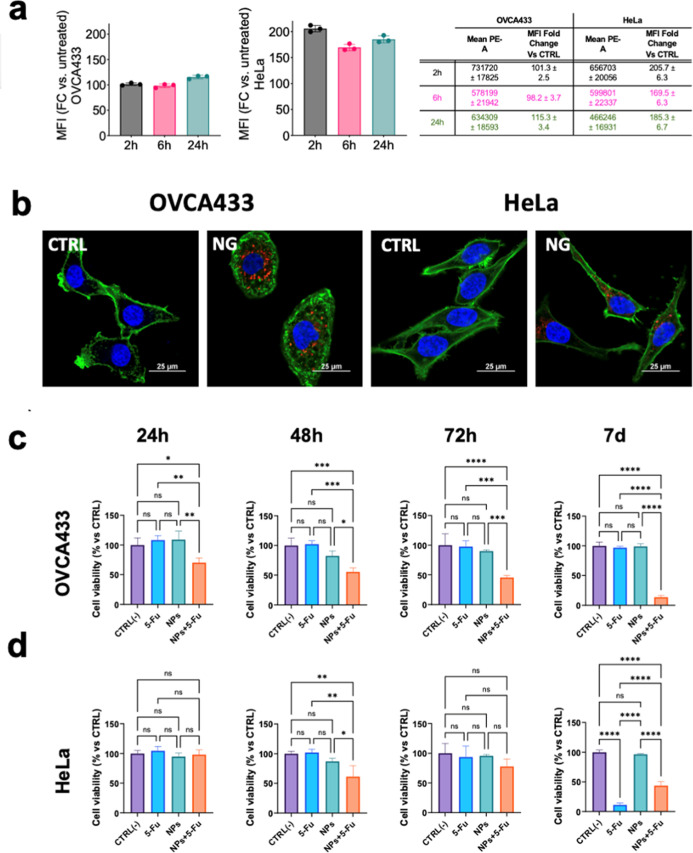 Figure 10
 Figure 11
 Figure 12
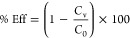 Figure 13
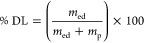 Figure 14
Peer Reviews
No public reviews on file for this paper yet. If you reviewed it on a platform where reviews are public (OpenReview, ICLR, NeurIPS, ICML), you can paste yours below so the community can read it here.
Videos
No videos yet. Explain this paper in a talk, walkthrough, or lecture? Add one.
Taxonomy
TopicsNanoparticle-Based Drug Delivery · Pharmacology and Nanomedicine Research · Cancer Research and Treatment