Month-Long Unclotted Hemoperitoneum on Edoxaban Confirmed by Laparoscopy: A Case Report
Yoichi Miyaoka, Shingo Shimada, Yuichi Yoshida, Ryoji Yokoyama, Akinobu Taketomi

TL;DR
A patient on edoxaban developed unclotted blood in the abdominal cavity for a month, confirmed during surgery, showing how anticoagulants can affect blood clotting.
Contribution
This case provides laparoscopic evidence that edoxaban can cause prolonged unclotted hemoperitoneum lasting about a month.
Findings
A patient on edoxaban had unclotted hemoperitoneum confirmed by laparoscopy after a month.
Factor Xa inhibition may prevent secondary coagulation of leaked blood in the peritoneal cavity.
Surgeons should anticipate liquid blood collections when operating on anticoagulated patients.
Abstract
Direct oral anticoagulants (DOACs) can alter the morphology and time course of intra-abdominal bleeding, yet intraoperative confirmation of prolonged unclotted hemoperitoneum is rarely described. We report a man in his early 70s taking edoxaban for atrial fibrillation who was admitted with acute cholecystitis and underwent percutaneous transhepatic gallbladder drainage (PTGBD). After spontaneous tube dislodgement, he developed hemoperitoneum; computed tomography (CT) showed bloody ascites without organized clots. Edoxaban was withheld for one week and then restarted, and he remained hemodynamically stable without transfusion. Approximately one month later, an elective laparoscopic cholecystectomy revealed a large volume of dark, free-flowing liquid blood throughout the peritoneal cavity, with no fibrin clots or organized hematoma and no active bleeding; the fluid was aspirated, and the…
Genes, proteins, chemicals, diseases, species, mutations and cell lines named across the full text — each resolved to its canonical identifier and authoritative record.
Click any figure to enlarge with its caption.
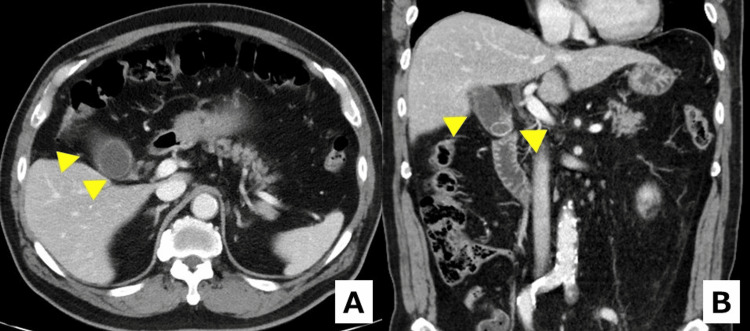 Figure 1
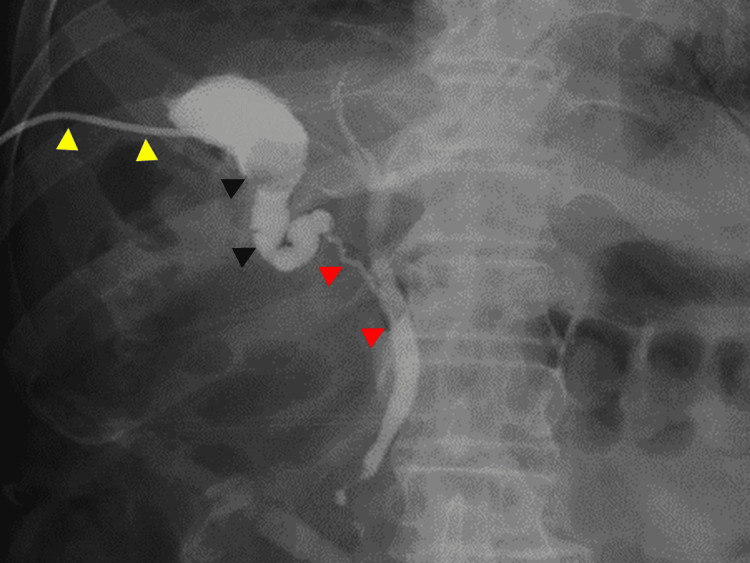 Figure 2
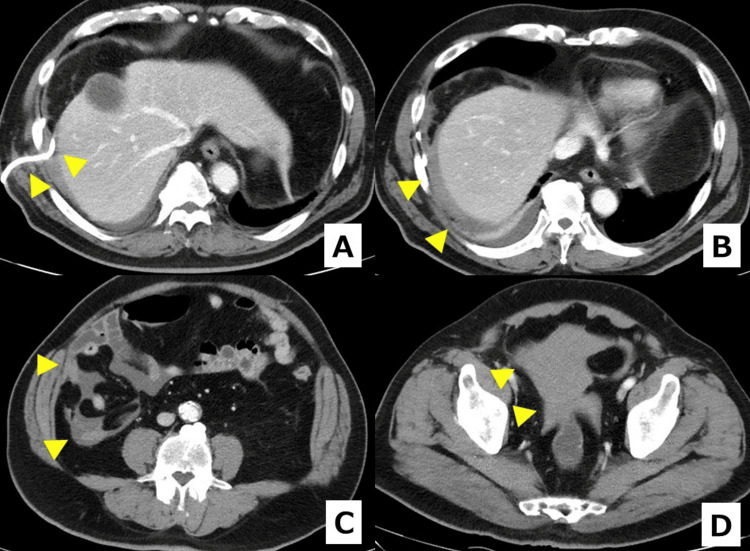 Figure 3
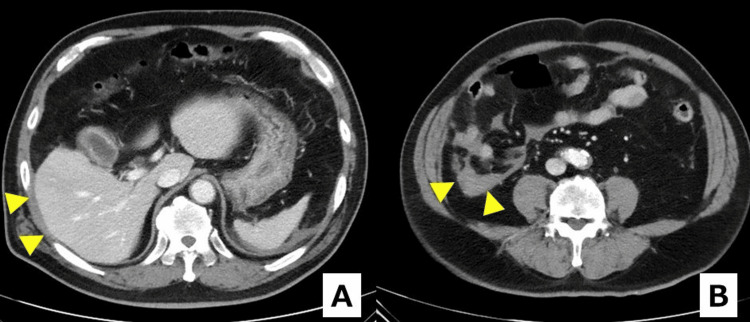 Figure 4
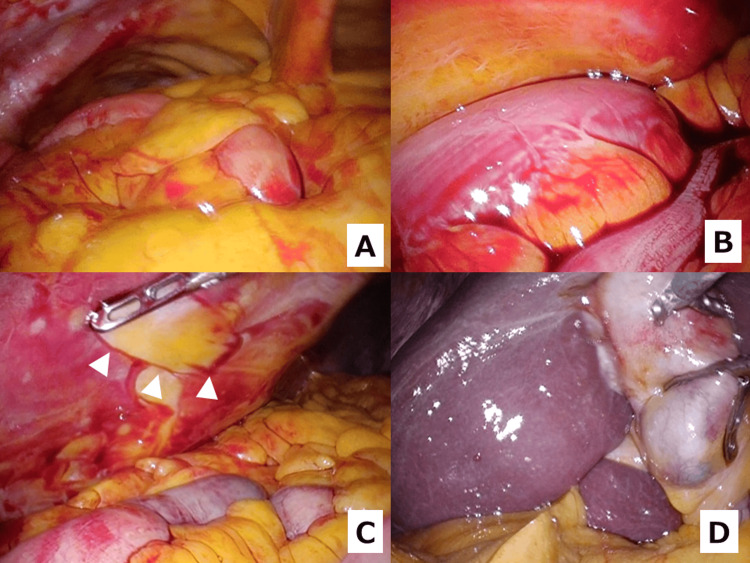 Figure 5
Peer Reviews
No public reviews on file for this paper yet. If you reviewed it on a platform where reviews are public (OpenReview, ICLR, NeurIPS, ICML), you can paste yours below so the community can read it here.
Videos
No videos yet. Explain this paper in a talk, walkthrough, or lecture? Add one.
Taxonomy
TopicsKidney Stones and Urolithiasis Treatments · Appendicitis Diagnosis and Management · Pediatric Urology and Nephrology Studies