Photoassisted Chemical Transformation of Cu2O Nanooctahedra into Cu2S Quantum-Dot Superstructures: Structural and Photoelectrochemical Properties
Dávid Kovács, György Z. Radnóczi, Zsolt E. Horváth, Krisztina Frey, Attila Sulyok, Zsolt Fogarassy, József S. Pap, András Deák, Dániel Zámbó

TL;DR
This paper describes a new method to transform copper oxide nanooctahedra into copper sulfide quantum-dot superstructures using a thiol compound, and explores their optical and electrochemical properties.
Contribution
A novel approach to synthesize Cu2S quantum-dot superstructures using β-mercaptoethanol as both sulfur source and stabilizer.
Findings
Cu2O nanooctahedra are transformed into Cu2S superstructures composed of 4–5 nm quantum dots.
The superstructures exhibit p-type semiconductor behavior and generate negative photocurrent under UV light.
Au nanograins enhance the photocurrent and demonstrate the potential for photofunctional nanomaterials.
Abstract
Copper sulfides represent a broad range of chemical compounds, including naturally occurring minerals and wet-chemically synthesized nanoparticles. Tailoring the size, shape, and chemical composition of Cu2‑x S nanoparticles enables the tuning of their optical and electronic properties allowing the switch between semiconducting and plasmonic characteristics. While the sulfidation of metals and metal oxides can even occur spontaneously under ambient storage conditions, the targeted synthesis of Cu2‑x S nanoparticles mostly relies on the use of inorganic sulfur compounds. Inspired by the natural sulfidation reactions, a novel approach is developed in this paper to transform sacrificial Cu2O nanooctahedra by a short-chain organic thiol (β-mercaptoethanol) into spherical Cu2S superstructures consisting of phase-pure Cu2S quantum dots. The optical and photoelectrochemical properties are…
Genes, proteins, chemicals, diseases, species, mutations and cell lines named across the full text — each resolved to its canonical identifier and authoritative record.
Click any figure to enlarge with its caption.
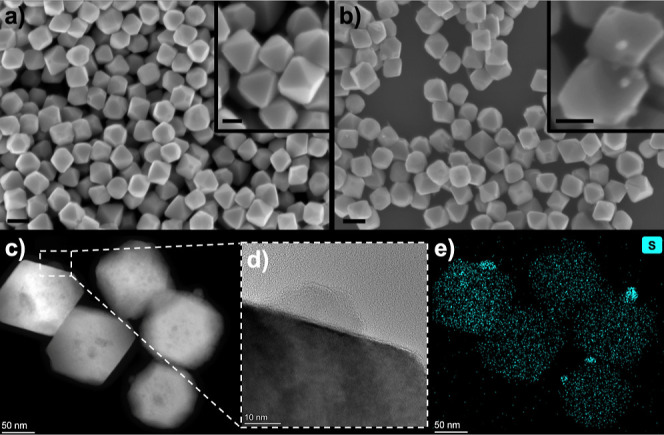 Figure 1
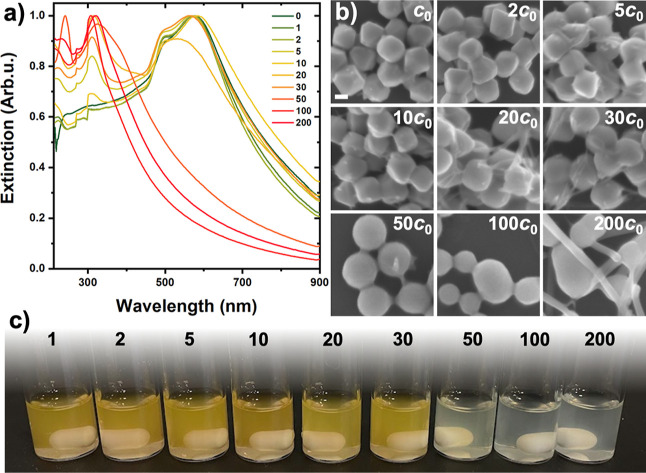 Figure 2
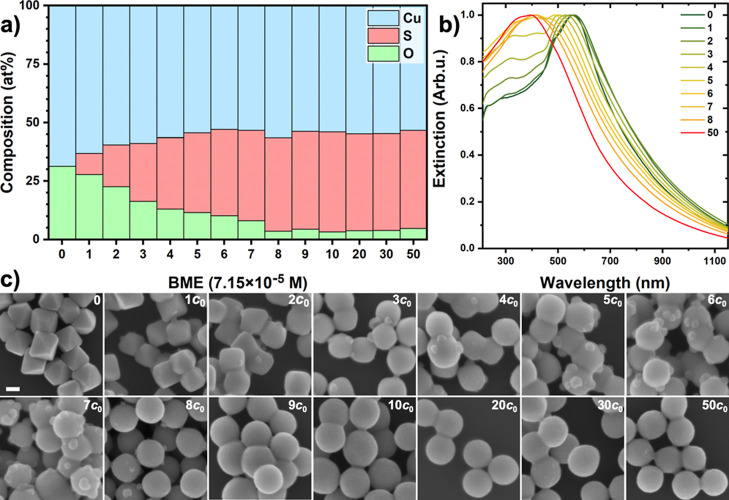 Figure 3
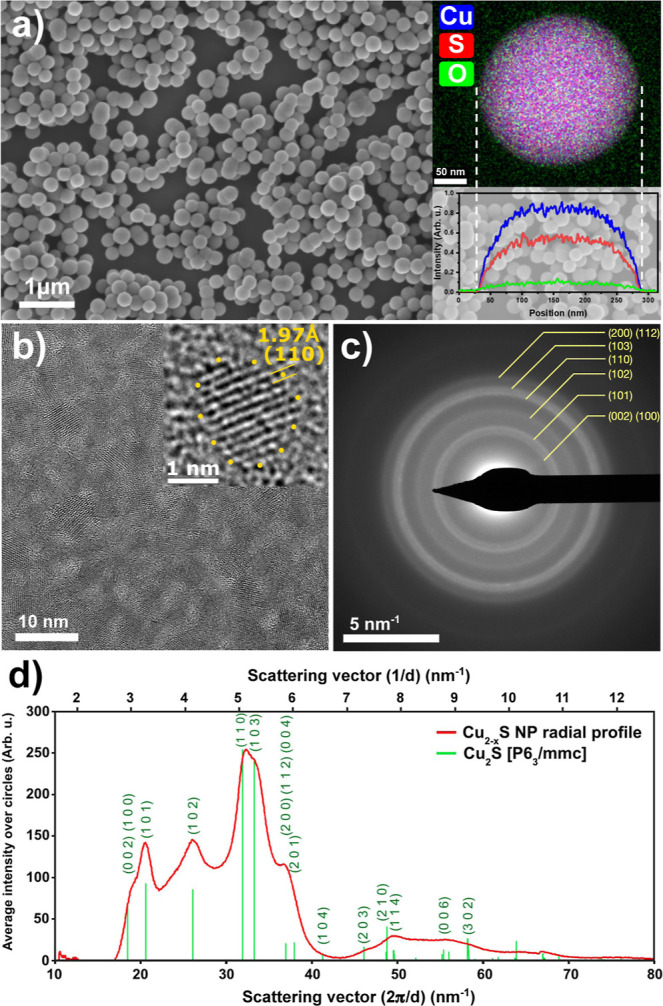 Figure 4
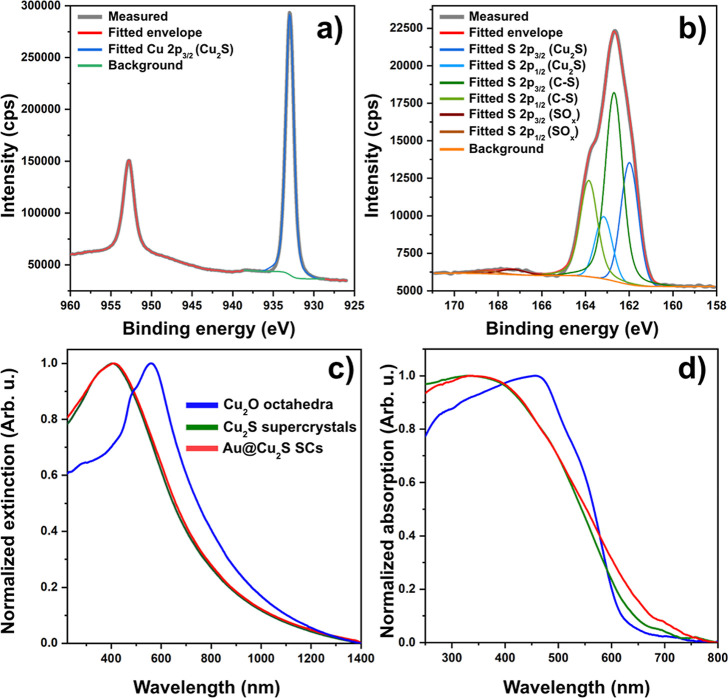 Figure 5
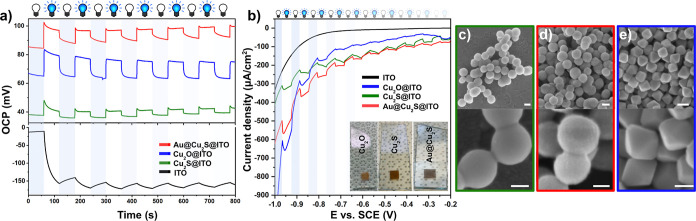 Figure 6
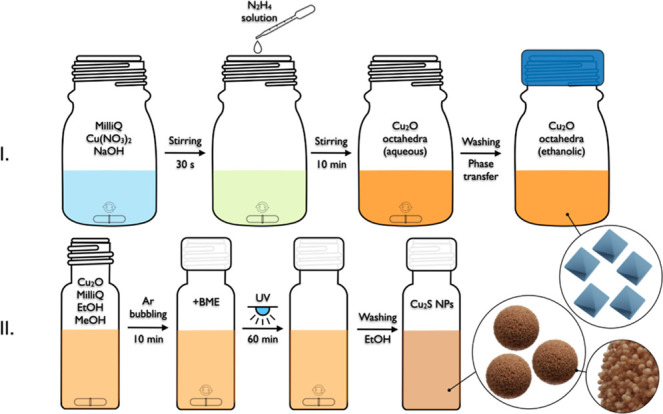 Figure 7
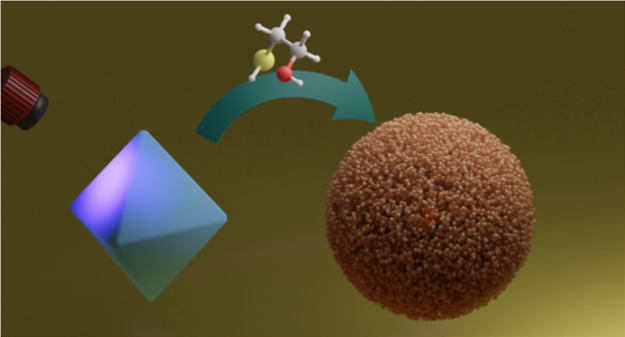 Figure 8
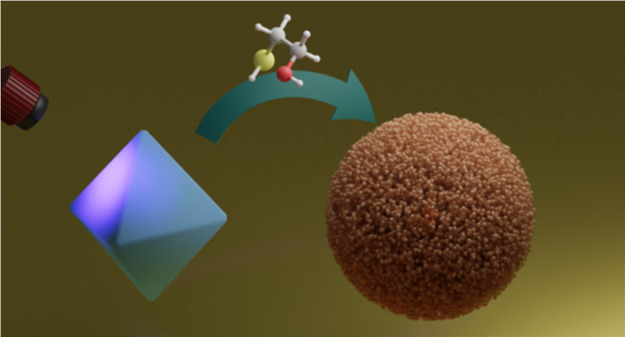 Figure 9
Peer Reviews
No public reviews on file for this paper yet. If you reviewed it on a platform where reviews are public (OpenReview, ICLR, NeurIPS, ICML), you can paste yours below so the community can read it here.
Videos
No videos yet. Explain this paper in a talk, walkthrough, or lecture? Add one.
Taxonomy
TopicsCopper-based nanomaterials and applications · ZnO doping and properties · Quantum Dots Synthesis And Properties