From Missed Diagnosis to Optimal Outcomes: A Comprehensive Review of Lisfranc Injuries
Ahmed Mohamed, Alaa Elasad, Abed Ullah Khan, Usman Fuad, Peter Salib

TL;DR
This paper reviews Lisfranc injuries, their diagnosis challenges, and treatment options to improve patient outcomes.
Contribution
The paper provides a comprehensive review of Lisfranc injuries, emphasizing early recognition and proper management strategies.
Findings
Lisfranc injuries are often missed in initial emergency department evaluations.
Delayed treatment can cause chronic pain and midfoot arthritis.
Appropriate management ranges from conservative to surgical approaches based on injury severity.
Abstract
Lisfranc injuries are traumatic disruptions of the tarsometatarsal joint complex. Injuries range from subtle ligamentous injuries to significant fracture dislocations. These relatively uncommon injuries are frequently missed during the initial presentation in emergency departments. Delayed or inadequate treatment can lead to chronic pain, midfoot arthritis, and significant functional disability. Early recognition and appropriate management of Lisfranc injuries are crucial for achieving optimal outcomes. Treatment strategies range from conservative management for stable injuries to surgical intervention for displaced or unstable injuries.
Genes, proteins, chemicals, diseases, species, mutations and cell lines named across the full text — each resolved to its canonical identifier and authoritative record.
Click any figure to enlarge with its caption.
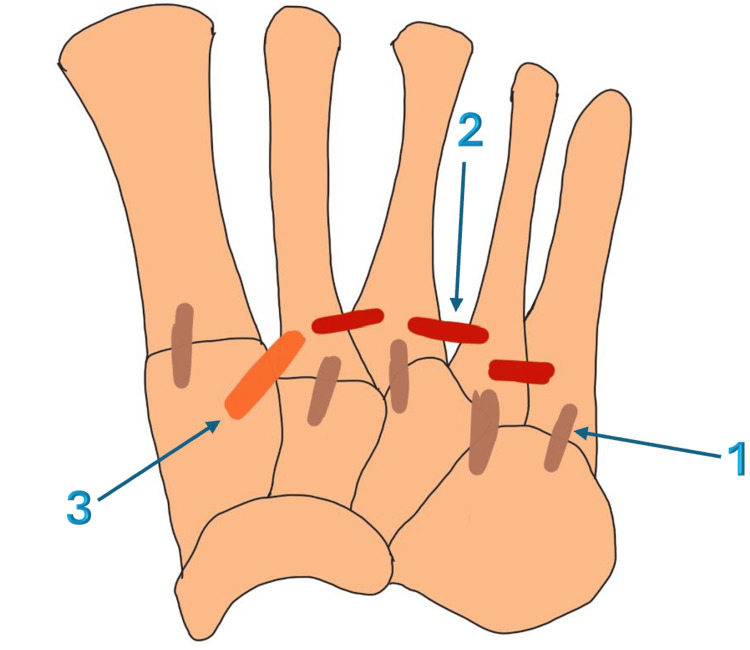 Figure 1
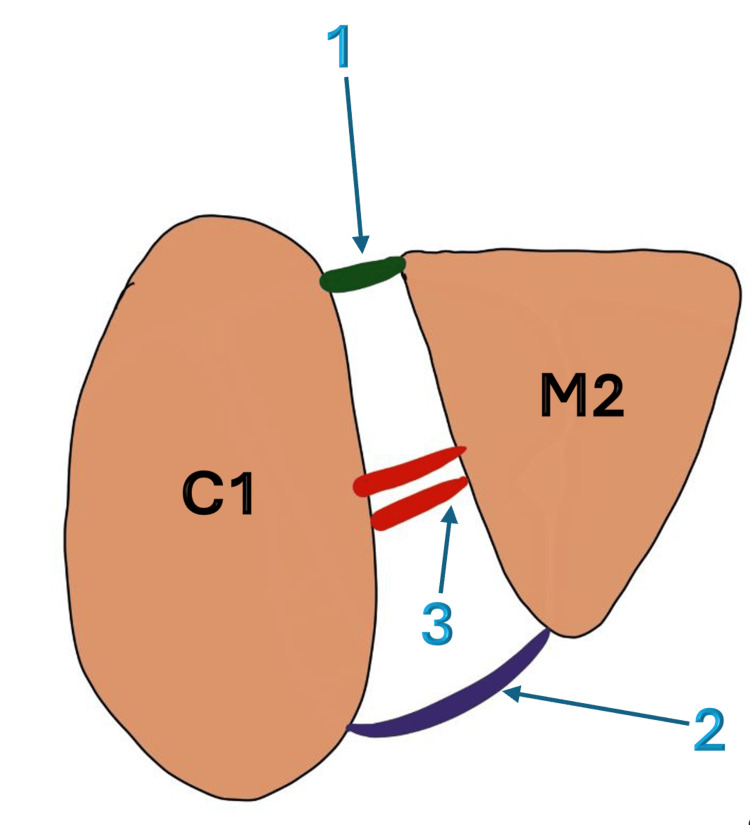 Figure 2
Peer Reviews
No public reviews on file for this paper yet. If you reviewed it on a platform where reviews are public (OpenReview, ICLR, NeurIPS, ICML), you can paste yours below so the community can read it here.
Videos
No videos yet. Explain this paper in a talk, walkthrough, or lecture? Add one.
Taxonomy
TopicsFoot and Ankle Surgery · Injury Epidemiology and Prevention · Burn Injury Management and Outcomes