Evolutionary analyses of the animal glycosyltransferase family 54 reveals two β1,4-N-acetylglucosaminyltransferase families
Aoi Morigo, Roxana Elin Teppa, Masamichi Nagae, Hirokazu Yagi, Yasuhiko Kizuka, Anne Harduin-Lepers

TL;DR
This study explores the evolutionary history and functional diversity of glycosyltransferase family 54 enzymes in animals, revealing two distinct enzyme families with different substrate specificities.
Contribution
The study identifies two evolutionarily conserved MGAT4 subfamilies with distinct substrate specificities and deep metazoan ancestry.
Findings
Molecular phylogeny reveals seven vertebrate MGAT4 subfamilies with two ancestral metazoan clusters.
Sequence analysis identifies conserved structural features like the lectin domain (CBM94) in MGAT4 proteins.
Biochemical analysis shows two distinct acceptor substrate specificities within each MGAT4 family.
Abstract
N-acetylglucosaminyltransferases involved in branched N-glycans synthesis, a major post-translational modification, are gathered in the CAZy glycosyltransferase family 54. To date, the origin and evolution of this biosynthetic pathway are unknown, and the functional organization of the Golgi enzymes remains elusive. Over 230 metazoan GT54-related genes were identified, and sequence-based analysis of vertebrate MGAT4 proteins shed light on evolutionary conserved peptide motifs and structural features like the lectin domain (CBM94). Molecular phylogeny analyses disentangled their evolutionary relationships, revealing the deep ancestry of two metazoan clusters, and unveiled the existence of seven vertebrate MGAT4 subfamilies. Comparative genomics and sequence-based analyses identified an evolutionarily conserved subgroup of GT54 gathering MGAT4A, MGAT4B, and MGAT4D, whereas the other…
Genes, proteins, chemicals, diseases, species, mutations and cell lines named across the full text — each resolved to its canonical identifier and authoritative record.
Click any figure to enlarge with its caption.
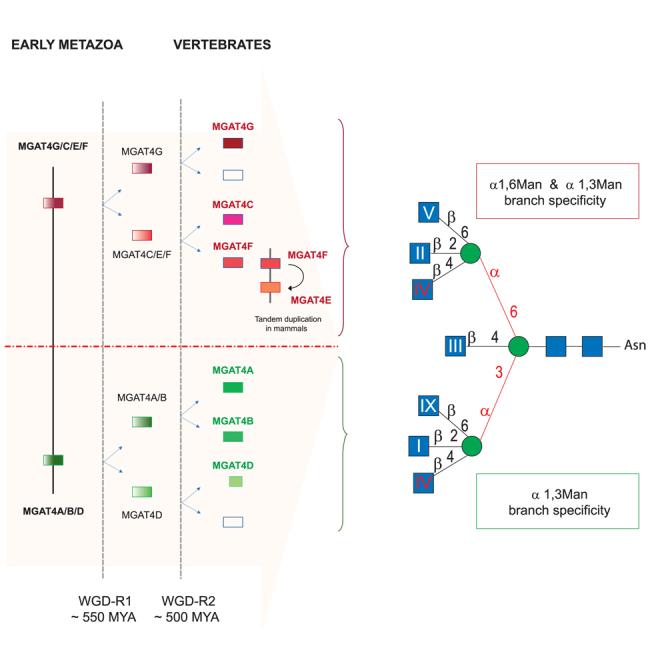 Figure 1
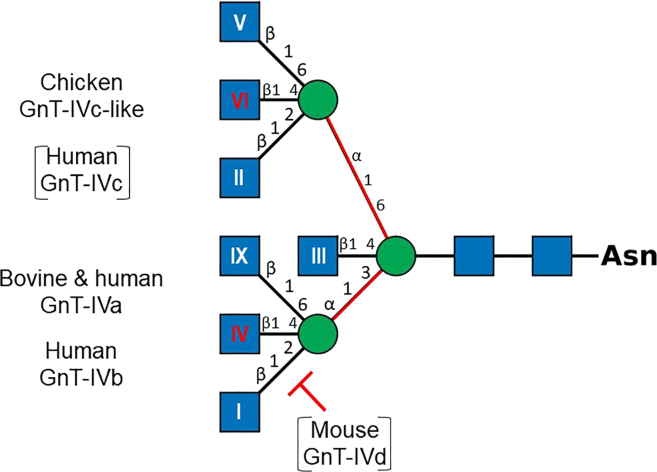 Figure 2
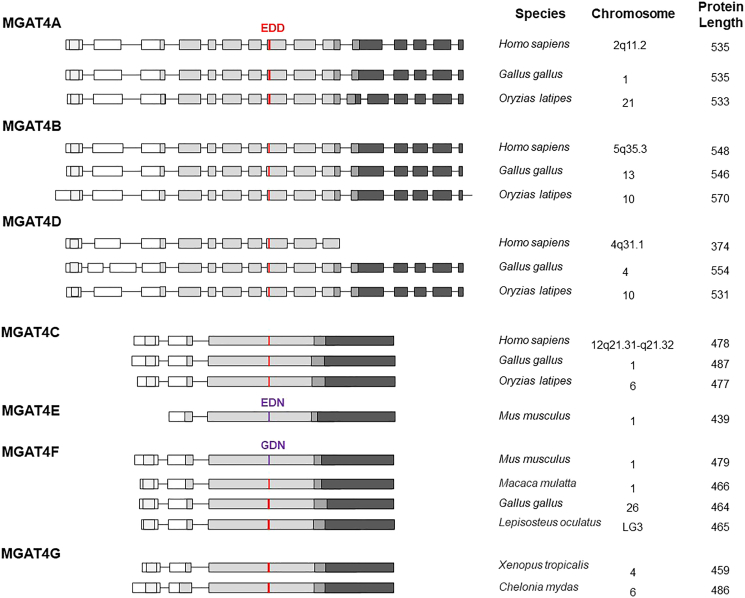 Figure 3
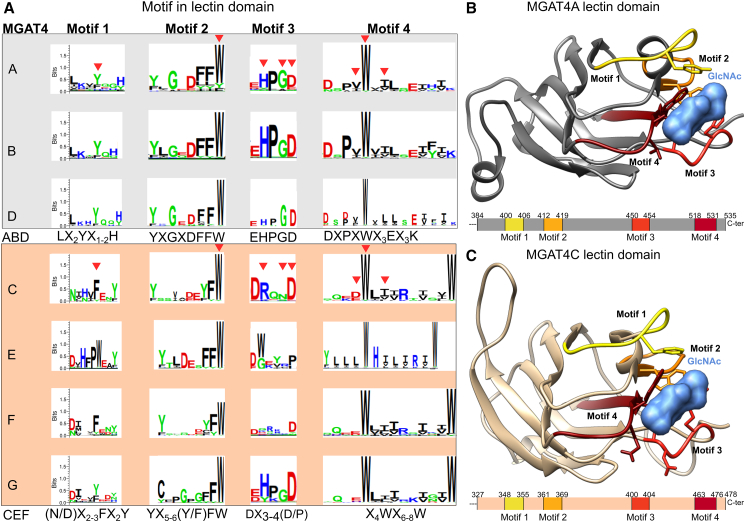 Figure 4
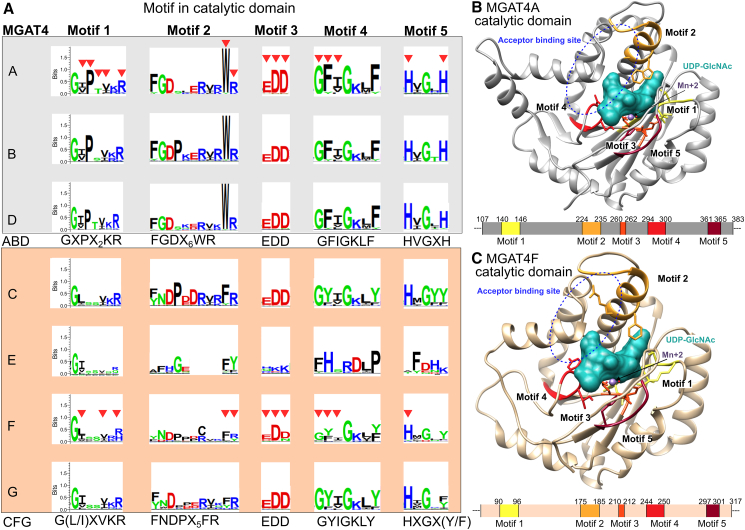 Figure 5
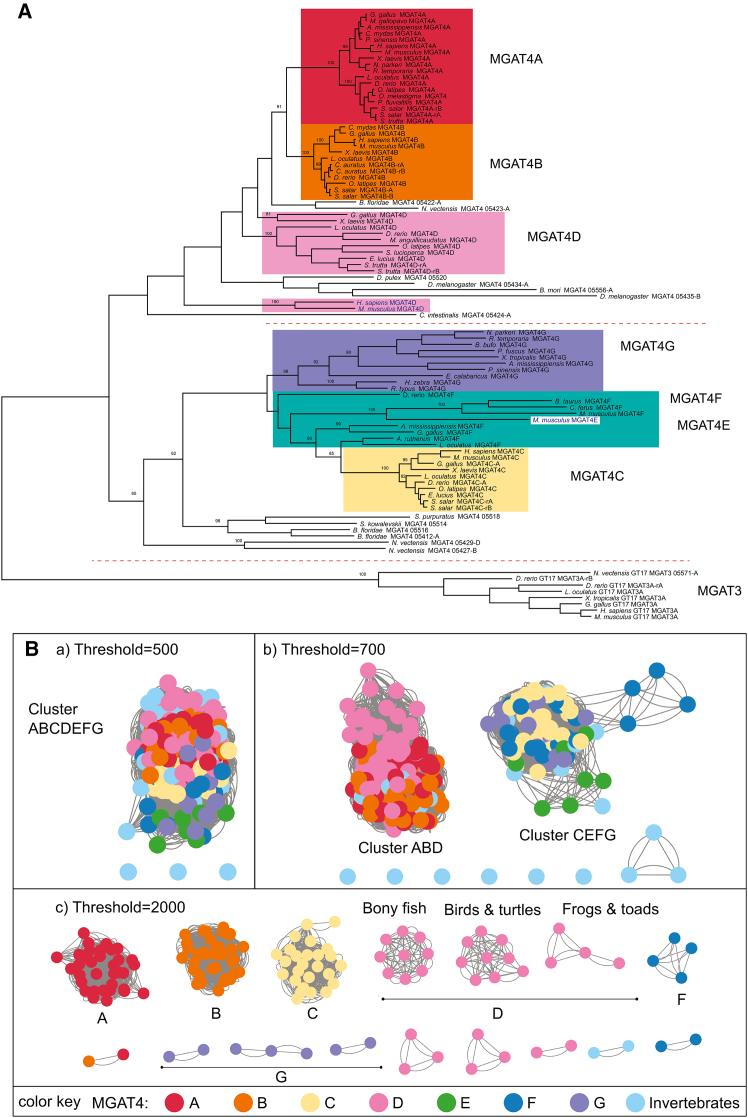 Figure 6
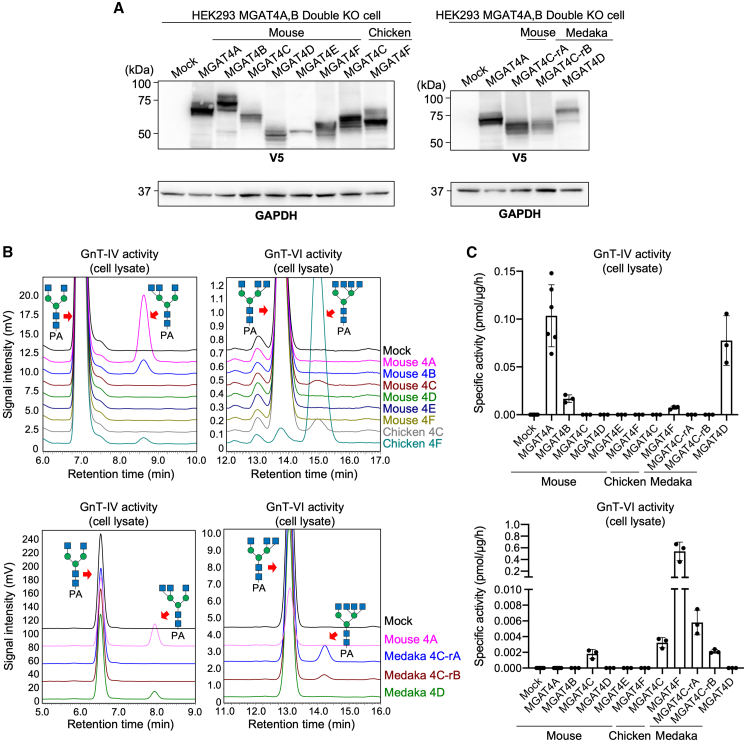 Figure 7
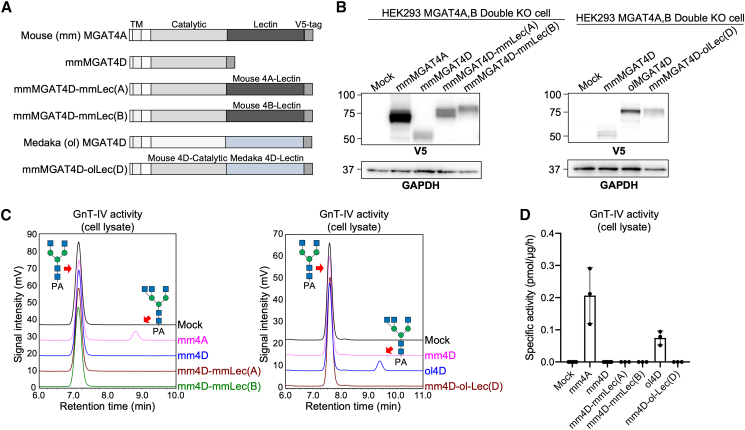 Figure 8
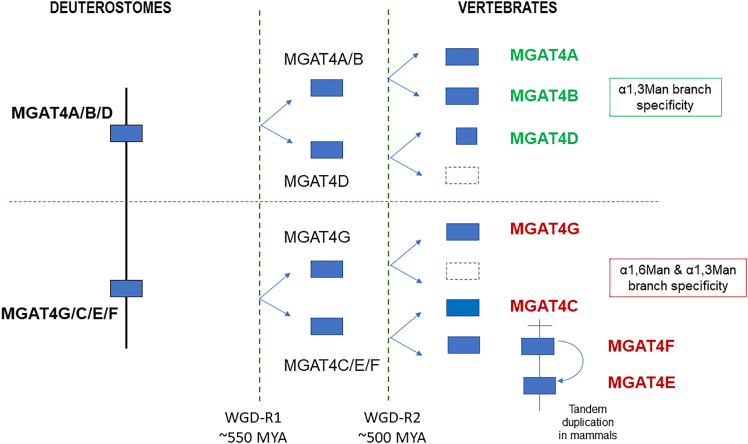 Figure 9
Peer Reviews
No public reviews on file for this paper yet. If you reviewed it on a platform where reviews are public (OpenReview, ICLR, NeurIPS, ICML), you can paste yours below so the community can read it here.
Videos
No videos yet. Explain this paper in a talk, walkthrough, or lecture? Add one.
Taxonomy
TopicsGlycosylation and Glycoproteins Research · Invertebrate Immune Response Mechanisms · Studies on Chitinases and Chitosanases