Machine learning for predicting thrombotic recurrence in antiphospholipid syndrome
Ana Marco-Rico, Ihosvany Fernández-Bello, Jorge Mateo-Sotos, Pascual Marco-Vera

TL;DR
This paper explores using machine learning, specifically XGB, to better predict thrombotic recurrence in antiphospholipid syndrome, improving personalized treatment strategies.
Contribution
The study introduces XGB as a superior machine learning model for predicting thrombotic recurrence in antiphospholipid syndrome.
Findings
XGB outperformed other models in predicting thrombotic recurrence with high accuracy and AUC.
Renal impairment, age, and lupus anticoagulant were identified as key predictors of recurrence.
Machine learning can enhance personalized risk stratification and optimize anticoagulation strategies.
Abstract
Thrombotic antiphospholipid syndrome (TAPS) is an autoimmune disorder associated with a high risk of recurrent thromboembolic events. Despite advances in anticoagulation, predicting recurrence remains challenging, underscoring the need for more precise risk stratification to optimize personalized treatment. Traditional predictive models struggle to integrate the complexity of clinical and biochemical risk factors, creating an opportunity for machine learning to enhance prognostic accuracy. In this study, we evaluated the performance of the extreme gradient boosting (XGB) model in predicting recurrent thrombotic events in TAPS, compared with other machine learning algorithms. Demographic and clinical data were initially included, and model performance was assessed through multiple metrics, such as accuracy, specificity, precision, and the area under the receiver operating…
Genes, proteins, chemicals, diseases, species, mutations and cell lines named across the full text — each resolved to its canonical identifier and authoritative record.
Click any figure to enlarge with its caption.
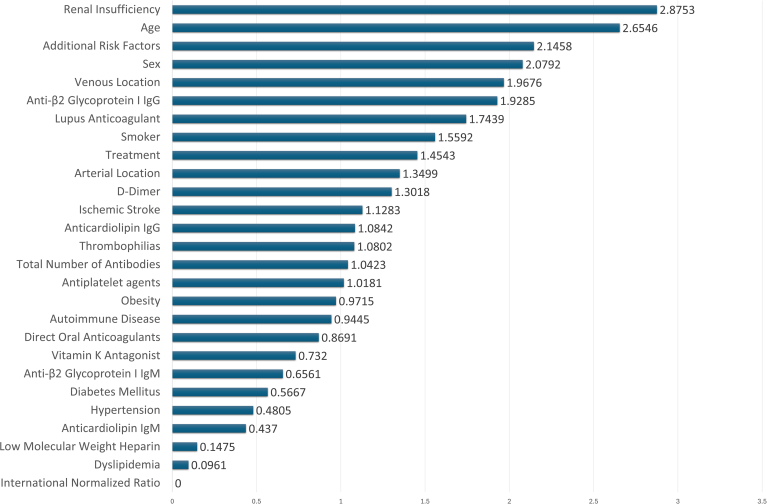 Figure 1
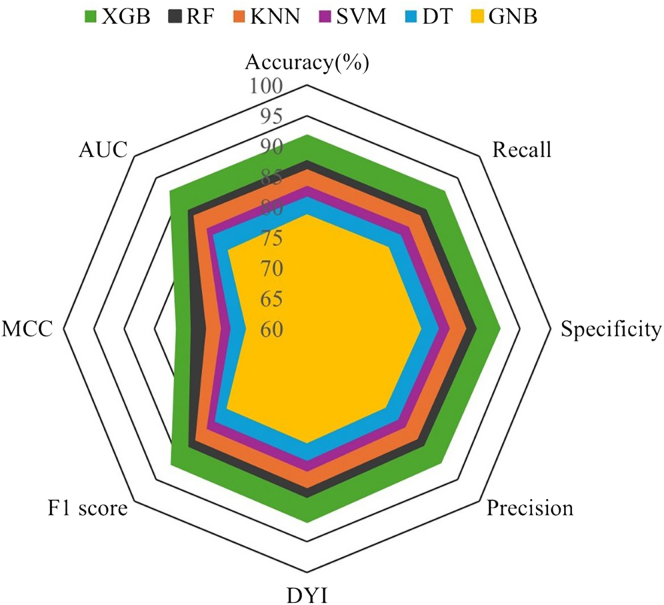 Figure 2
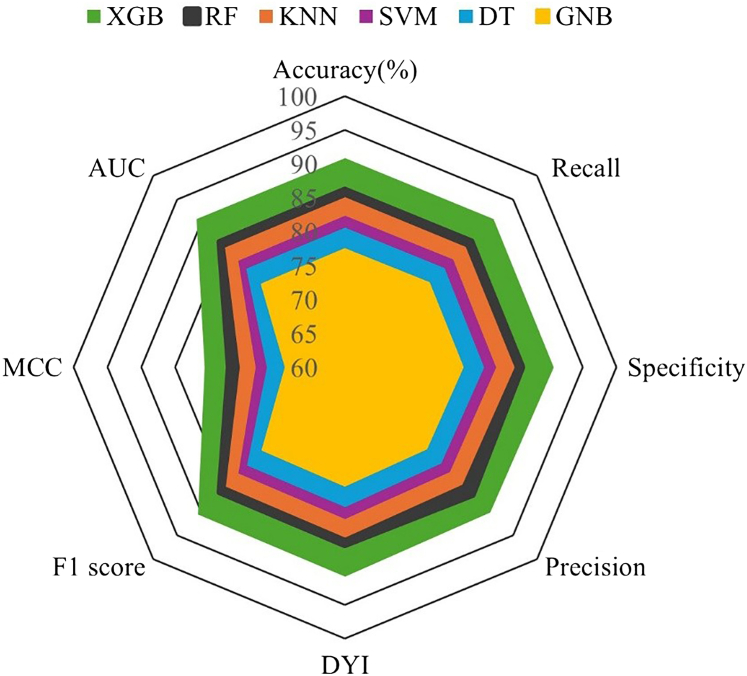 Figure 3
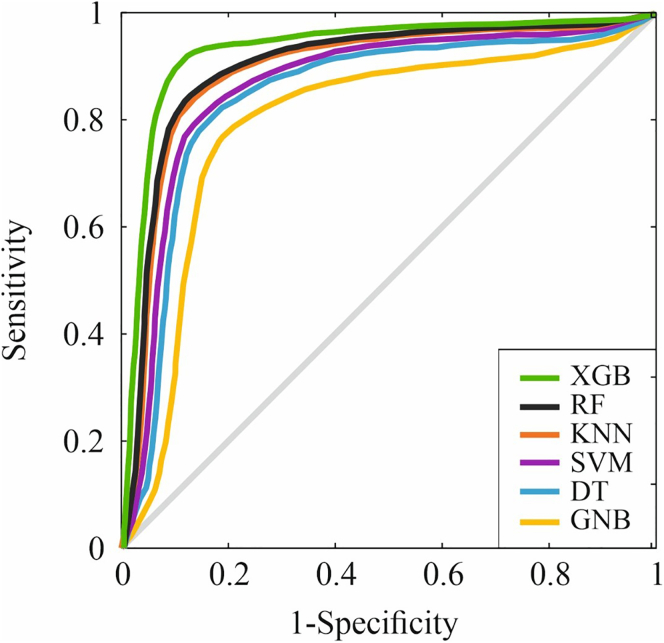 Figure 4
Peer Reviews
No public reviews on file for this paper yet. If you reviewed it on a platform where reviews are public (OpenReview, ICLR, NeurIPS, ICML), you can paste yours below so the community can read it here.
Videos
No videos yet. Explain this paper in a talk, walkthrough, or lecture? Add one.
Taxonomy
TopicsSystemic Lupus Erythematosus Research · Hepatitis C virus research · Rheumatoid Arthritis Research and Therapies