High-Output Bile Leak Following AAST Grade III Liver Injury Resolved With Endoscopic Stenting: A Case Report
Yoichi Miyaoka, Shingo Shimada, Shinya Ueki, Tomoyuki Takagi, Akinobu Taketomi

TL;DR
A patient with a moderate liver injury developed a bile leak, which was successfully treated with endoscopic stenting without surgery.
Contribution
This case report demonstrates the successful use of endoscopic retrograde biliary drainage for treating high-output bile leaks after liver trauma.
Findings
A high-output bile leak following AAST Grade III liver injury was resolved with endoscopic stenting.
Endoscopic retrograde biliary drainage effectively reduced bile output and led to complete closure confirmed by tubography.
The treatment strategy was successfully applied in a community hospital setting without requiring surgical intervention.
Abstract
Nonoperative management (NOM) has become the standard of care for hemodynamically stable blunt liver trauma; however, biliary complications may delay recovery. We report the case of a previously healthy 20-year-old man who sustained an AAST Grade III liver laceration in a motor vehicle collision and subsequently developed a high-output intrahepatic bile leak. An ultrasound-guided percutaneous drain initially produced 880 mL/day, with the output remaining elevated at approximately 450 mL/day. Endoscopic retrograde cholangiopancreatography (ERCP) demonstrated extravasation from a posterior branch of the right intrahepatic duct. Placement of a 7-Fr transpapillary plastic stent (endoscopic retrograde biliary drainage, ERBD) resulted in rapid reduction and eventual cessation of bile output, with closure confirmed on tubography and drain removal on hospital day (HD) 42. The patient recovered…
Genes, proteins, chemicals, diseases, species, mutations and cell lines named across the full text — each resolved to its canonical identifier and authoritative record.
Click any figure to enlarge with its caption.
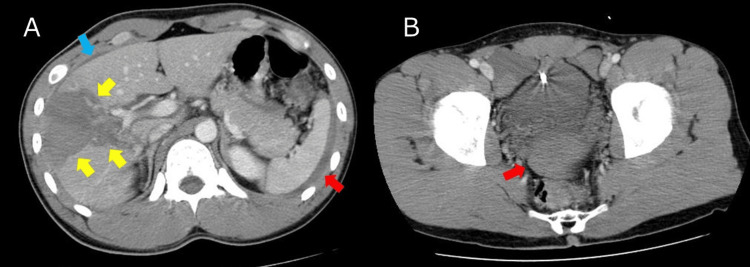 Figure 1
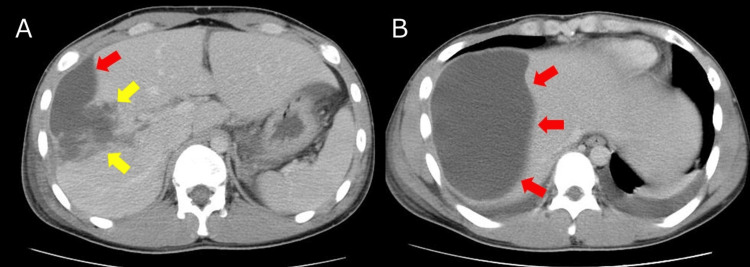 Figure 2
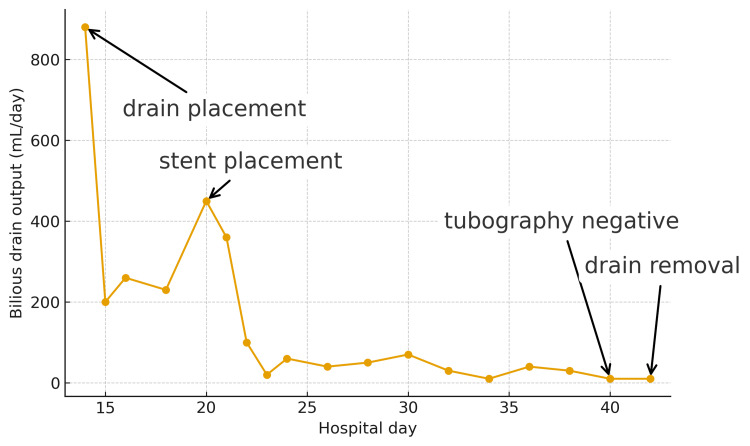 Figure 3
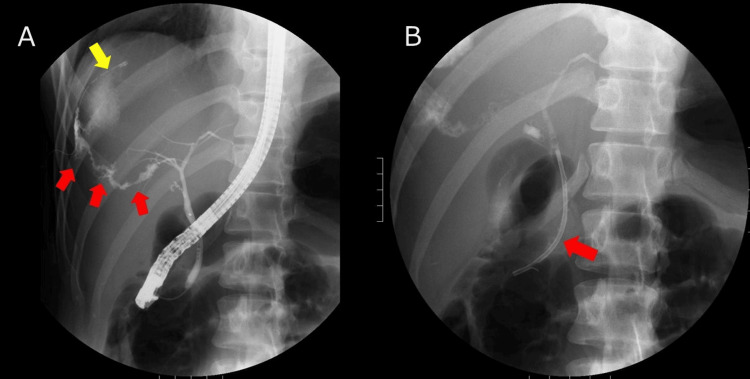 Figure 4
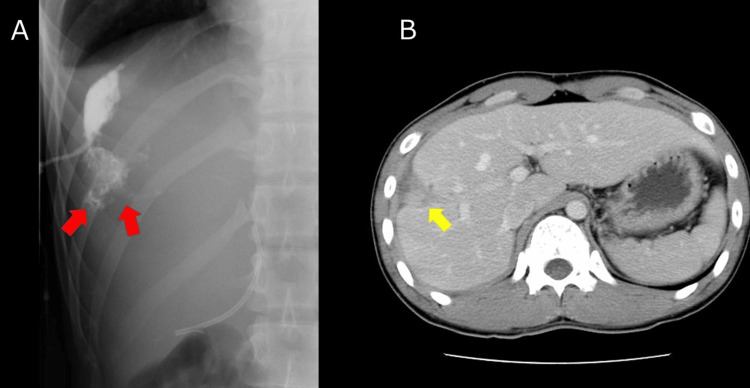 Figure 5
Peer Reviews
No public reviews on file for this paper yet. If you reviewed it on a platform where reviews are public (OpenReview, ICLR, NeurIPS, ICML), you can paste yours below so the community can read it here.
Videos
No videos yet. Explain this paper in a talk, walkthrough, or lecture? Add one.
Taxonomy
TopicsGallbladder and Bile Duct Disorders · Abdominal Trauma and Injuries · Esophageal and GI Pathology