Conventional versus endoscopic-assisted crestal sinus lifting with simultaneous implant placement: a comparative clinical study
Samy Elian, Ashraf Abdelfattah, Abdelaziz Baiomy

TL;DR
This study compares two sinus lifting techniques and finds that endoscopic-assisted methods reduce membrane perforation but take longer.
Contribution
The study introduces endoscopic-assisted crestal sinus lifting as a novel technique to improve surgical precision and safety.
Findings
Endoscopic-assisted techniques reduced membrane perforation rates compared to conventional methods.
Endoscopic-assisted procedures took significantly longer than conventional ones.
Bone density increased significantly six months after surgery in both groups.
Abstract
Twenty patients with residual bone heights of 4–7 mm in the posterior maxilla were randomly divided into two groups: Group 1 (conventional crestal approach) and Group 2 (endoscopic-assisted crestal approach). A 2.7 mm rigid endoscope was used to monitor membrane integrity after each surgical step. Bone grafting with a xenograft-platelet-rich fibrin mix was performed, followed by implant placement. Membrane perforation rates, surgical time, and bone density changes were evaluated. Twenty-two implants were placed (11 in each group). Membrane perforation occurred in 33% of cases in Group 1 and 10% in Group 2 (p = 0.582). Group 2 had significantly longer surgical times (27.3 ± 2.00 min) compared to Group 1 (15.4 ± 2.22 min, p < 0.0001). Bone density increased significantly from 609.55 ± 108.71 HU postoperatively to 878.38 ± 114.60 HU at six months (p < 0.001). Endoscopic-assisted…
Genes, proteins, chemicals, diseases, species, mutations and cell lines named across the full text — each resolved to its canonical identifier and authoritative record.
Click any figure to enlarge with its caption.
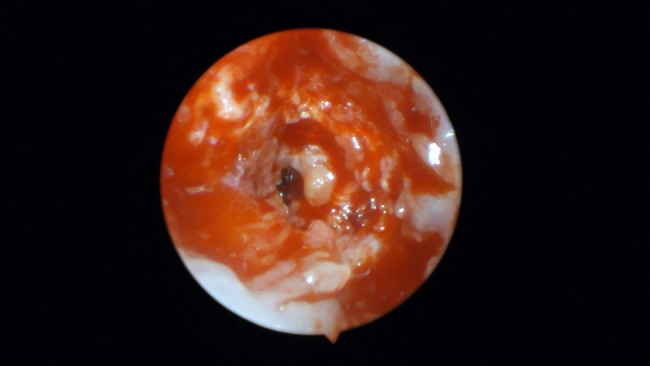 Figure 10
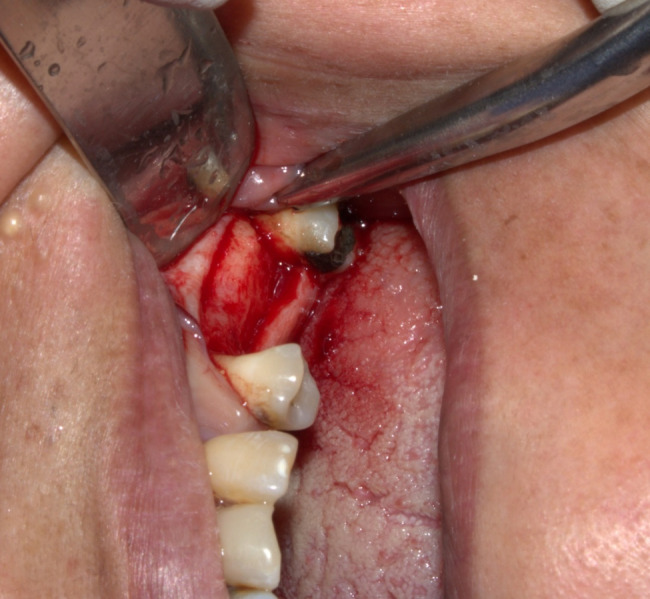 Figure 1
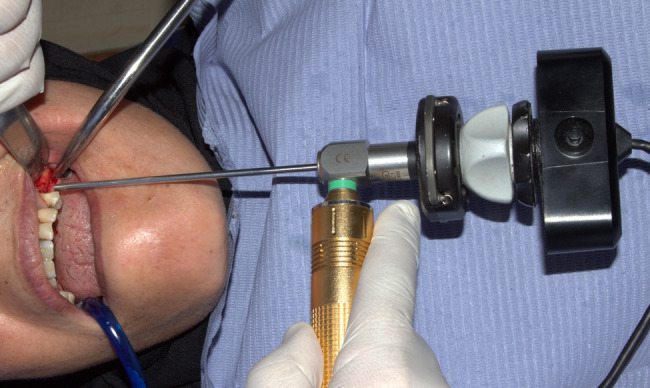 Figure 2
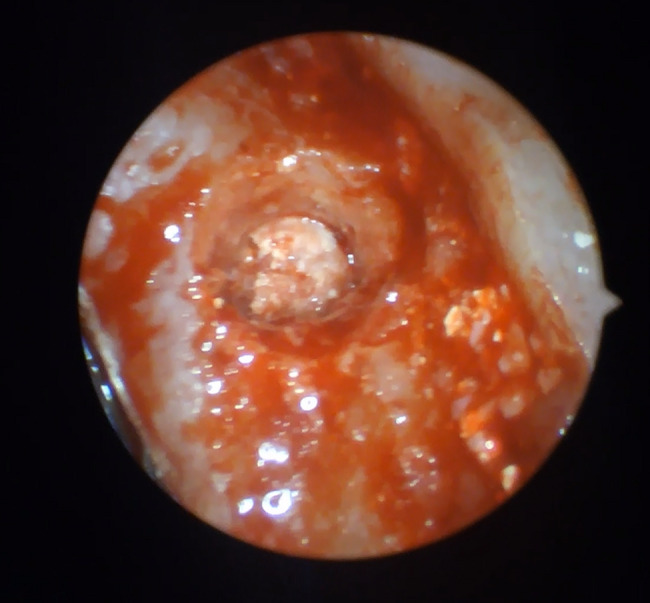 Figure 3
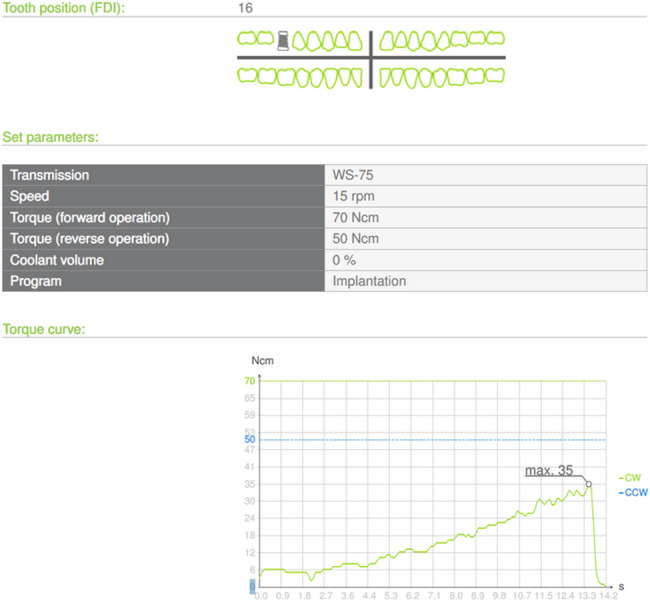 Figure 4
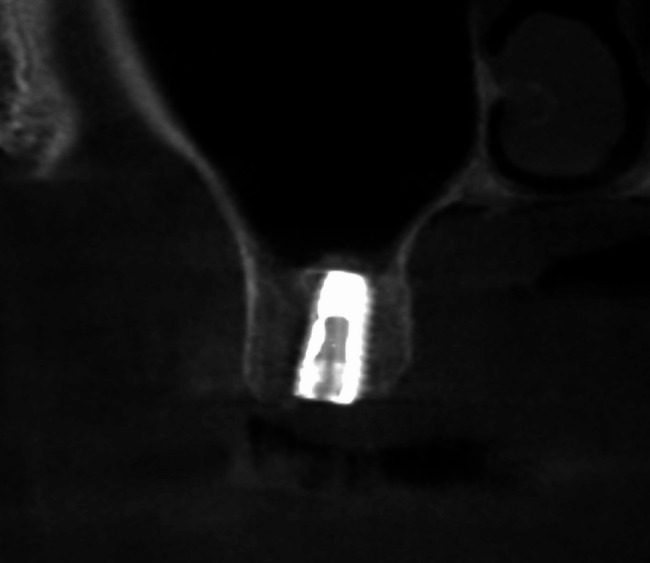 Figure 5
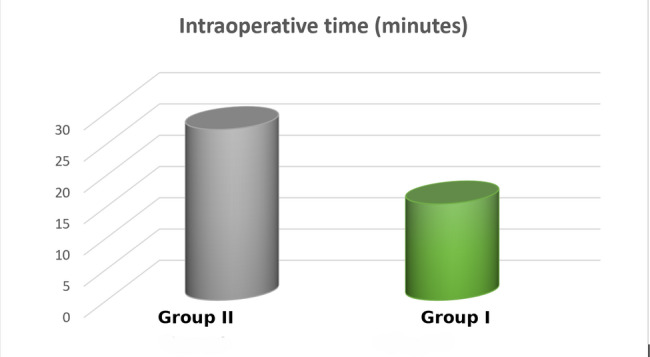 Figure 6
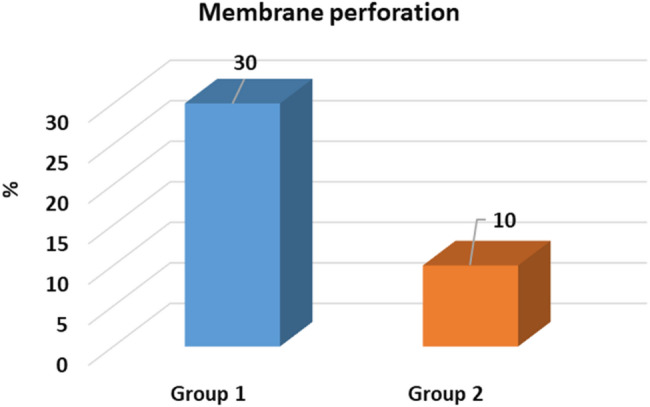 Figure 7
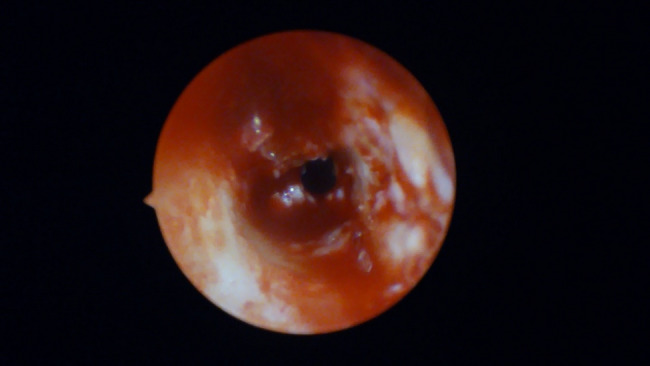 Figure 8
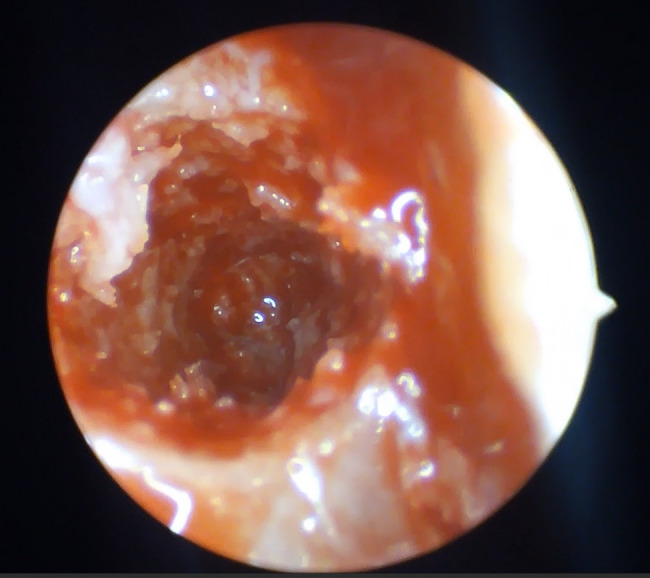 Figure 9
Peer Reviews
No public reviews on file for this paper yet. If you reviewed it on a platform where reviews are public (OpenReview, ICLR, NeurIPS, ICML), you can paste yours below so the community can read it here.
Videos
No videos yet. Explain this paper in a talk, walkthrough, or lecture? Add one.
Taxonomy
TopicsGallbladder and Bile Duct Disorders · Sinusitis and nasal conditions · Esophageal and GI Pathology