Brain volumes discriminate clinical dementia rating scale categories
Peka Christova, Lisa M. James, Apostolos P. Georgopoulos

TL;DR
This study shows that brain volume measurements can help distinguish between different stages of dementia, especially in areas like the amygdala and temporal cortex.
Contribution
The study demonstrates that brain volumes can accurately classify dementia severity and identify at-risk individuals.
Findings
Brain volume decreases significantly with dementia severity, especially in the amygdala and temporal regions.
Men and APOE4 carriers showed stronger correlations between brain volume and dementia severity.
Brain volume measures accurately classified individuals into cognitively unimpaired or mild dementia groups.
Abstract
Brain atrophy is well documented in various kinds of dementia, particularly in Alzheimer’s disease. Here, we evaluated gray matter volume of 87 cortical and subcortical areas in 460 individuals characterized according to the Clinical Dementia Rating (CDR) as cognitively unimpaired (n = 352), undetermined (n = 72), or mild dementia (n = 36). We found a highly significant correspondence between increased dementia severity and reduced brain volume, particularly for the amygdala and temporal cortical areas, including the hippocampus, middle temporal gyrus, and inferior temporal gyrus. The negative correlation between brain volumes and dementia severity was significantly stronger in men than women, and in apolipoprotein E4 carriers than non-carriers. Brain volumes discriminated between cognitively unimpaired and mild dementia cases with high accuracy; application of those classification…
Genes, proteins, chemicals, diseases, species, mutations and cell lines named across the full text — each resolved to its canonical identifier and authoritative record.
Click any figure to enlarge with its caption.
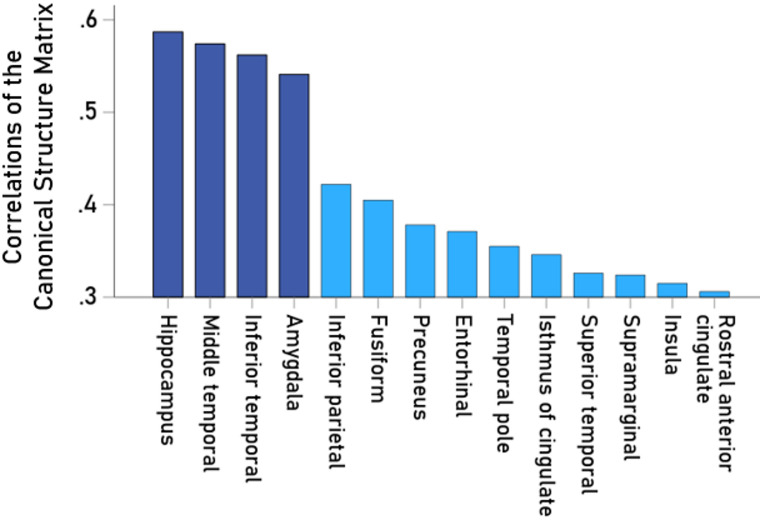 Figure 10
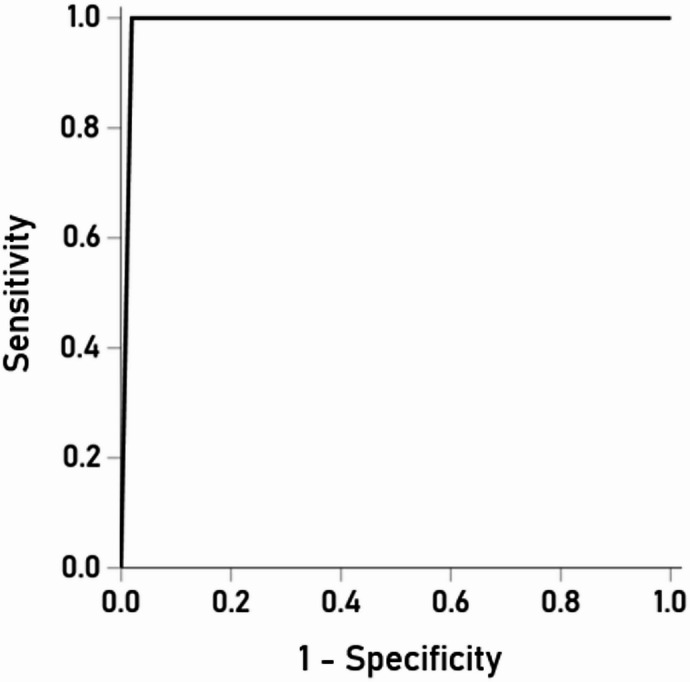 Figure 11
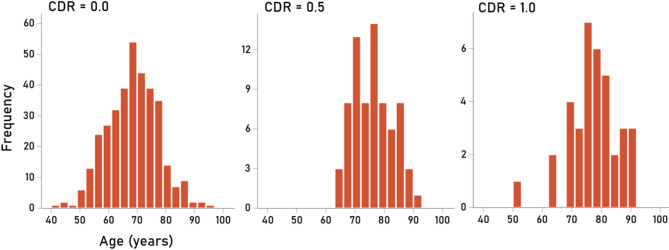 Figure 1
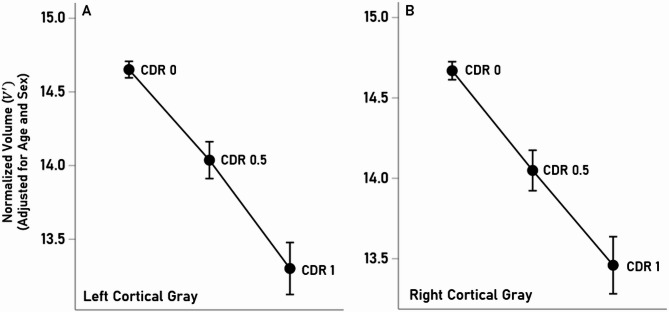 Figure 2
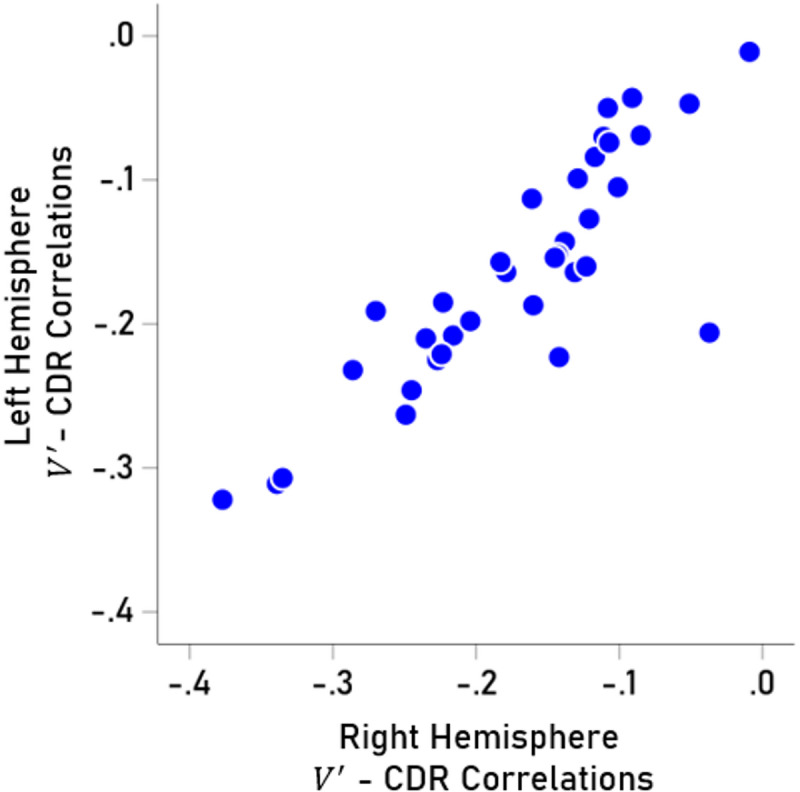 Figure 3
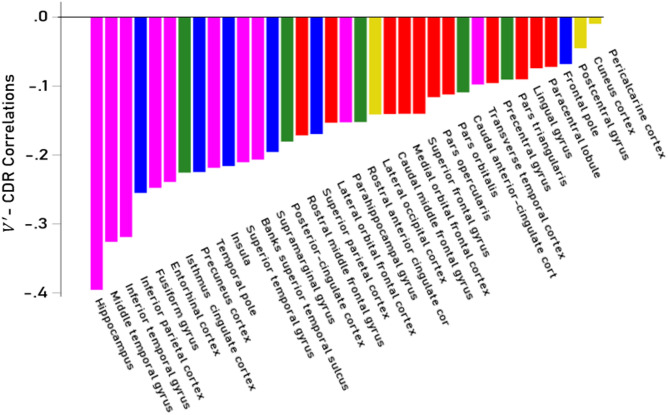 Figure 4
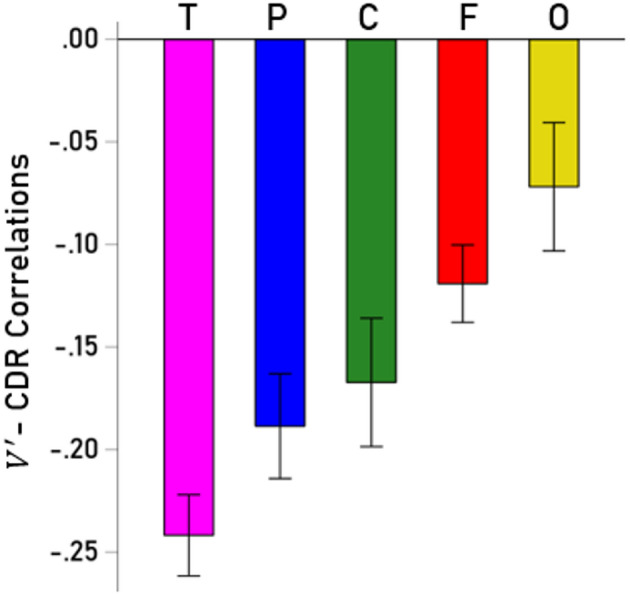 Figure 5
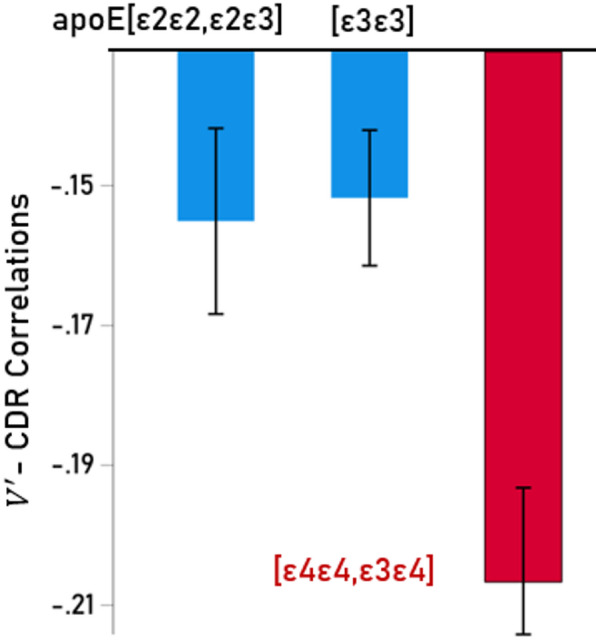 Figure 6
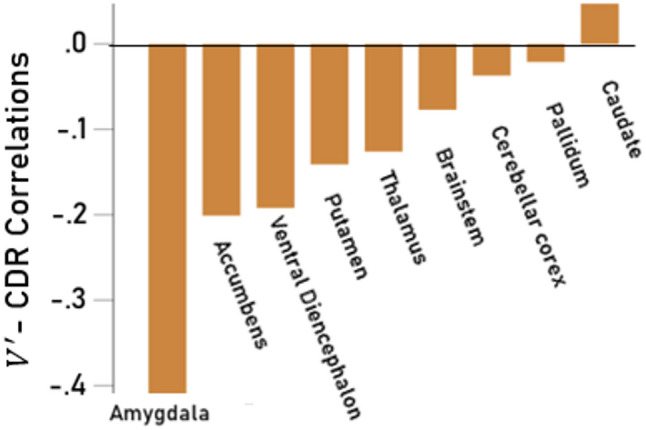 Figure 7
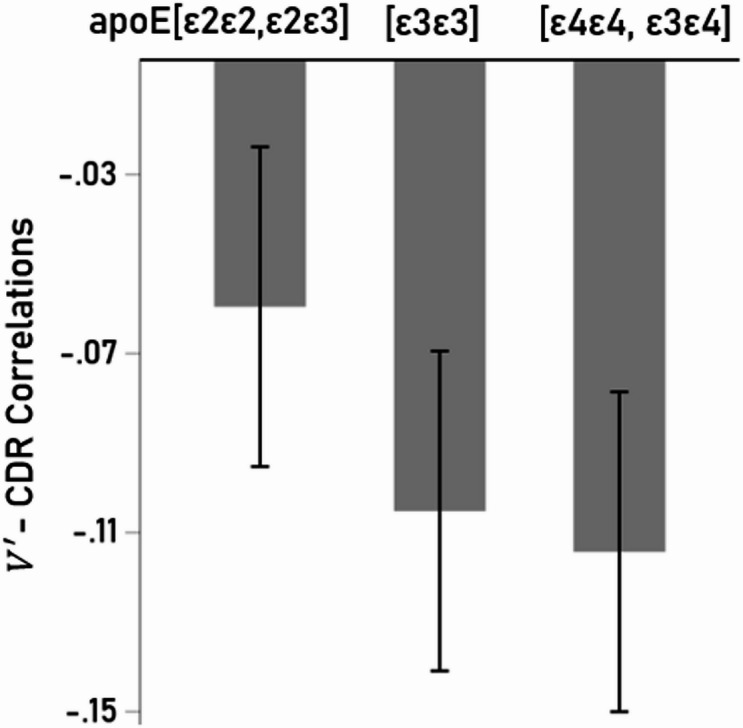 Figure 8
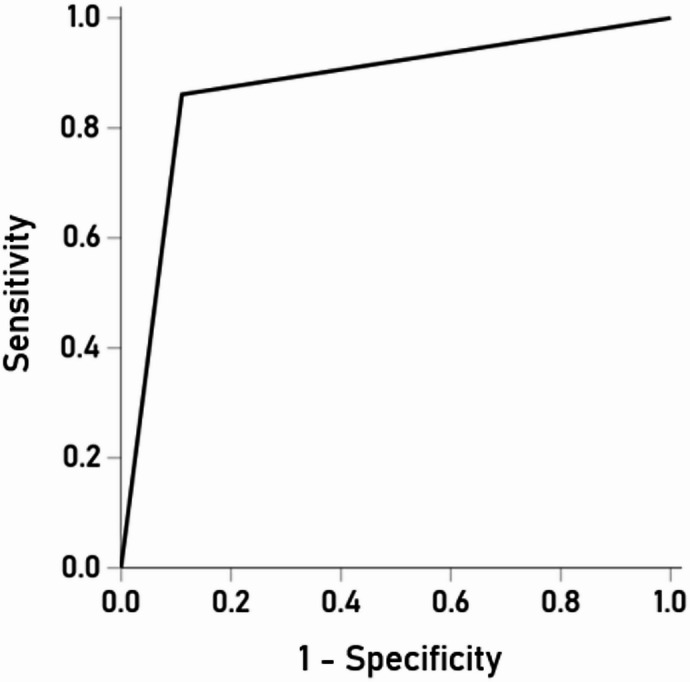 Figure 9
Peer Reviews
No public reviews on file for this paper yet. If you reviewed it on a platform where reviews are public (OpenReview, ICLR, NeurIPS, ICML), you can paste yours below so the community can read it here.
Videos
No videos yet. Explain this paper in a talk, walkthrough, or lecture? Add one.
Taxonomy
TopicsDementia and Cognitive Impairment Research · Alzheimer's disease research and treatments · Functional Brain Connectivity Studies