Oligomeric cystatin C supports the immunosuppressive activity of myeloid cells through interaction with inhibitory receptors
Chengcheng Zhang, Yubo He, Xiaoye Liu, Jingjing Xie, Meng Fang, Xing Yang, Ryan Huang, Qi Lou, Bufan Li, Ankit Gupta, Cheryl Lewis, Marc I. Diamond, Ningyan Zhang, Zhiqiang An, Cheng Cheng Zhang

TL;DR
Oligomeric cystatin C boosts immunosuppression in myeloid cells, promoting tumor growth through interactions with immune receptors.
Contribution
This study identifies a novel immunosuppressive role of oligomeric cystatin C through LILRB2 and LILRB5 receptors in myeloid cells.
Findings
Oligomeric cystatin C interacts with LILRB2 and LILRB5 to enhance myeloid cell immunosuppression.
Cystatin C–LILRB2 signaling involves phosphatases and the TGF-β pathway.
Deleting the CST3 gene reduced tumor growth, while overexpression accelerated cancer progression.
Abstract
Amyloid proteins are linked to various diseases; however, their functional roles in immunity and cancer remain unclear. Here, we establish a direct link between oligomeric cystatin C—a cysteine cathepsin inhibitor and a well-characterized amyloidogenic protein—within the tumor microenvironment and the immune inhibitory receptors LILRB2 and LILRB5 on myeloid cells. We demonstrated that human LILRB2 and LILRB5, along with their murine counterpart PIRB, serve as functional receptors for cystatin C oligomers. Engagement of these inhibitory receptors by oligomeric cystatin C enhances the immunosuppressive activity of myeloid cells, leading to T-cell suppression and tumor progression. Deletion of the CST3 gene, which encodes cystatin C, in host mice and tumor cells impaired tumor growth, whereas its overexpression accelerated cancer progression in LILRB2 and LILRB5 transgenic mice.…
Genes, proteins, chemicals, diseases, species, mutations and cell lines named across the full text — each resolved to its canonical identifier and authoritative record.
Click any figure to enlarge with its caption.
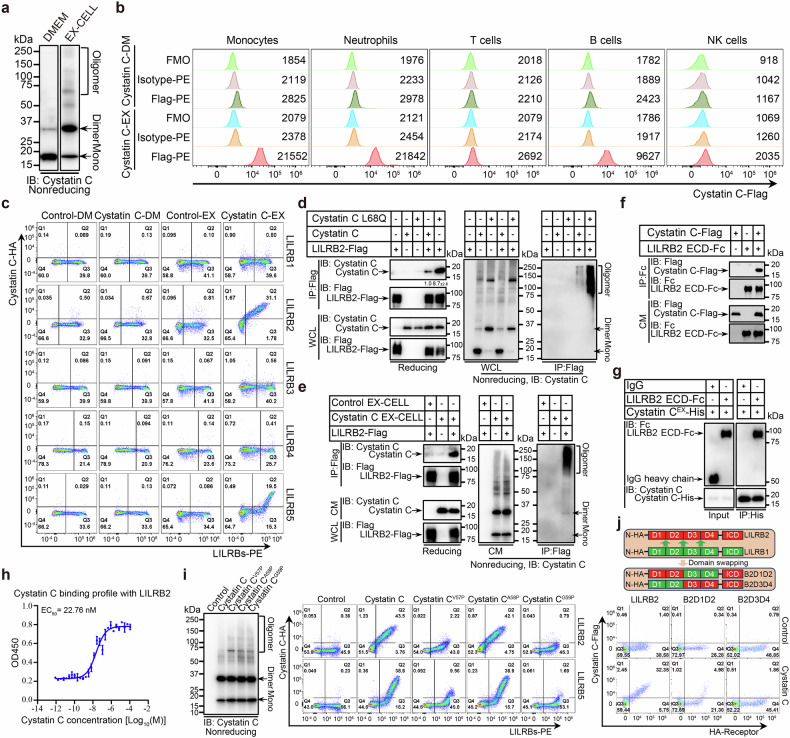 Figure 1
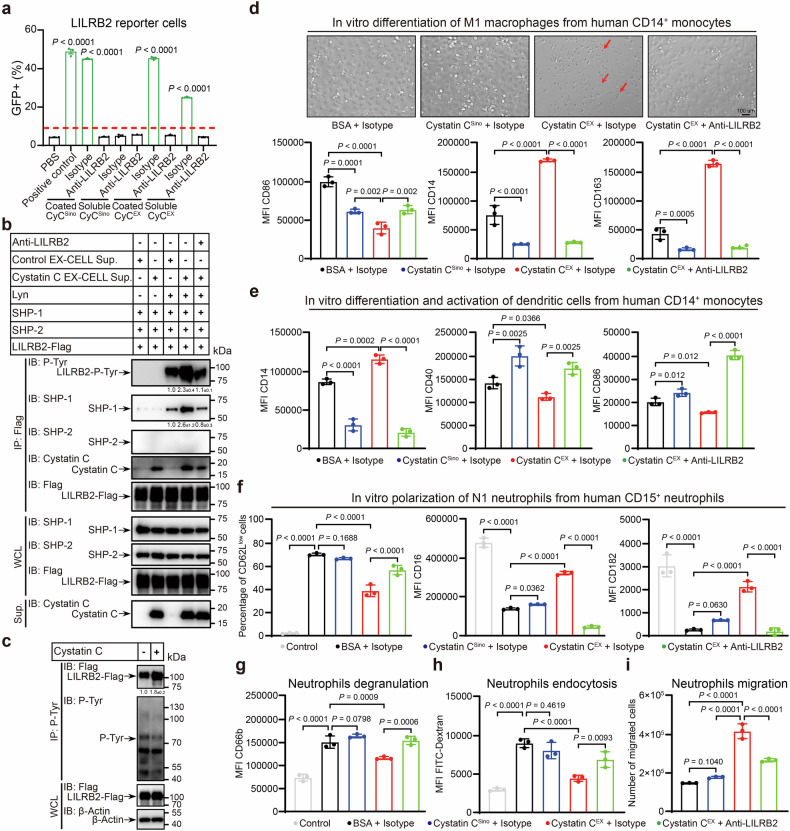 Figure 2
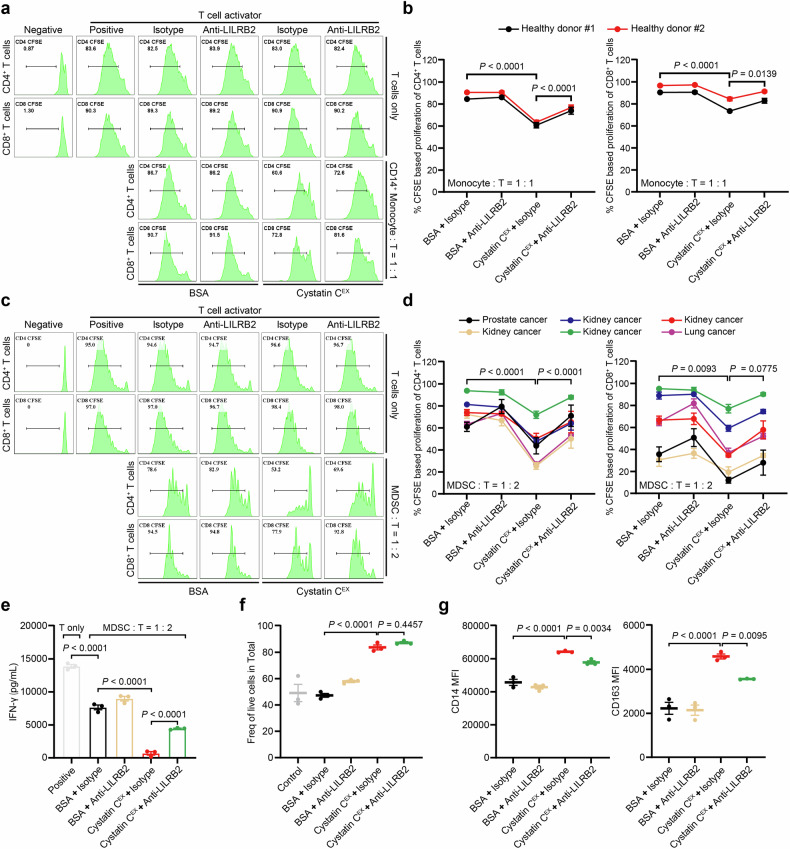 Figure 3
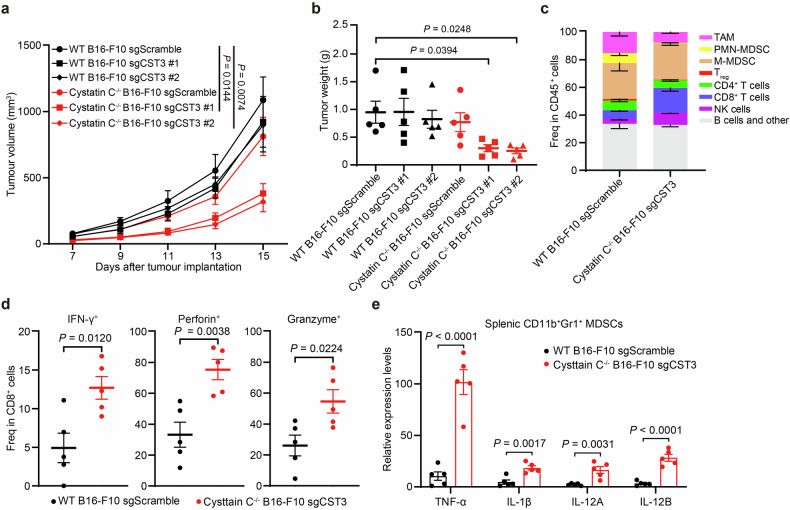 Figure 4
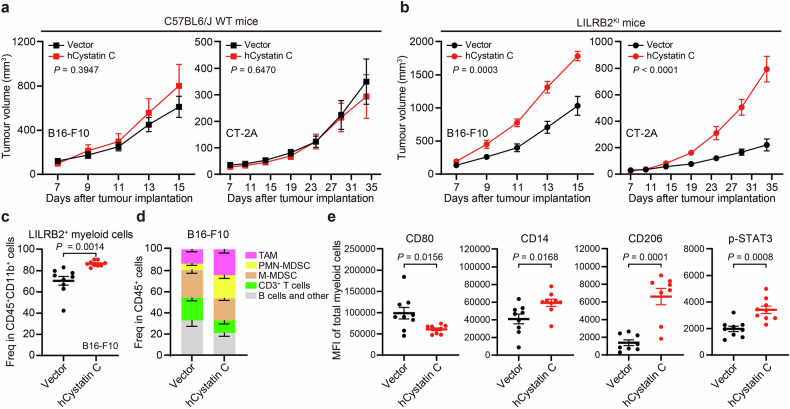 Figure 5
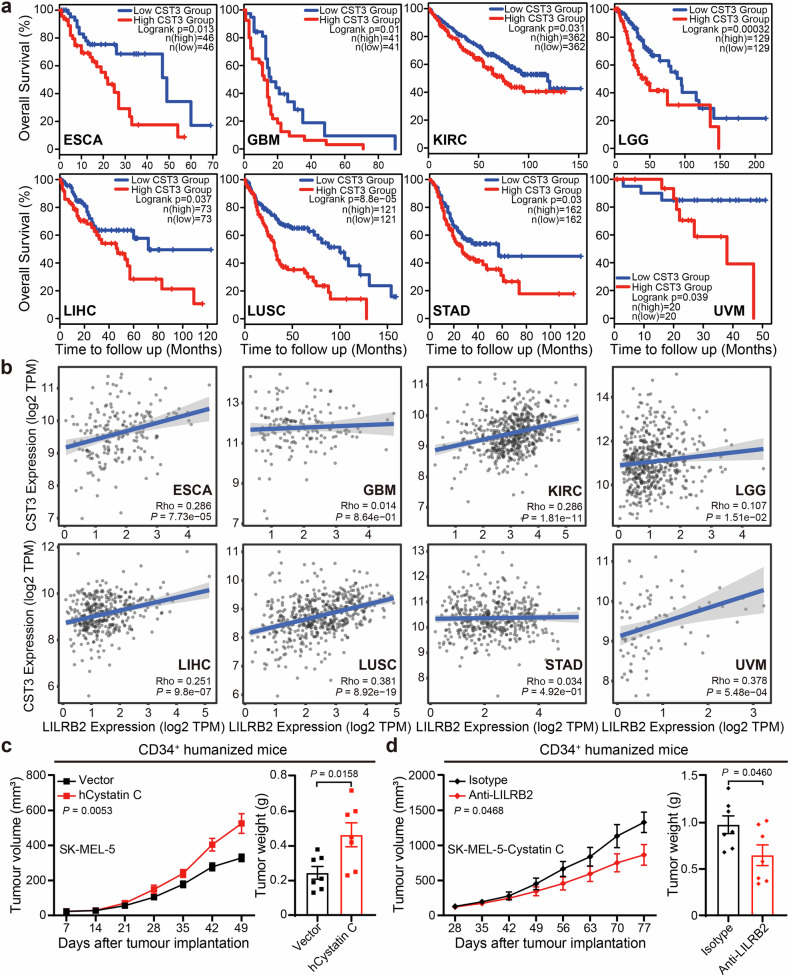 Figure 6
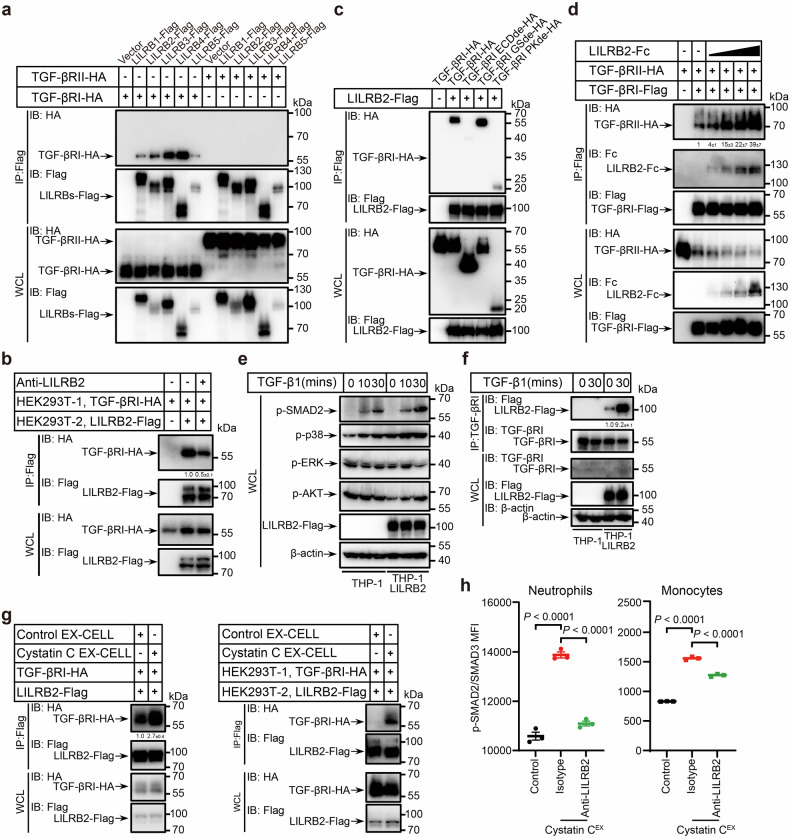 Figure 7
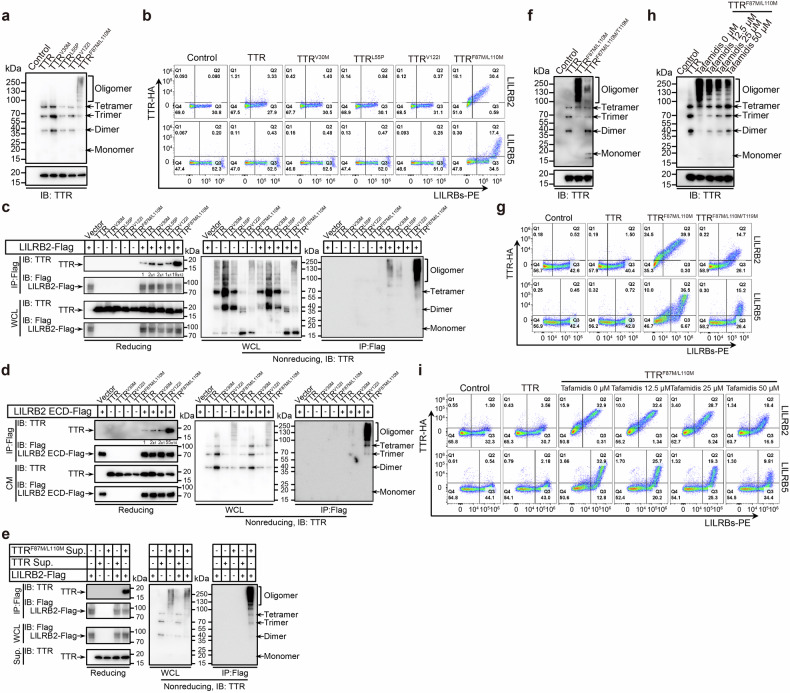 Figure 8
Peer Reviews
No public reviews on file for this paper yet. If you reviewed it on a platform where reviews are public (OpenReview, ICLR, NeurIPS, ICML), you can paste yours below so the community can read it here.
Videos
No videos yet. Explain this paper in a talk, walkthrough, or lecture? Add one.
Taxonomy
TopicsEndoplasmic Reticulum Stress and Disease · Alzheimer's disease research and treatments · Barrier Structure and Function Studies