Fabric–elasticity relationships of femoral head trabecular bone are similar in Type 2 diabetes and non-diabetic individuals
Mathieu Simon, Sasidhar Uppuganti, Jeffry S. Nyman, Philippe Zysset

TL;DR
This study shows that bone structure and mechanical properties in people with Type 2 diabetes are similar to those without diabetes, suggesting current methods can accurately assess fracture risk in both groups.
Contribution
The study confirms that fabric–elasticity relationships in trabecular bone are consistent in Type 2 diabetes and non-diabetic individuals.
Findings
Trabecular bone architecture is similar between Type 2 diabetes and non-diabetic donors.
Fabric–elasticity relationships are consistent in both Type 2 diabetes and control groups.
HR-pQCT-based hFE analysis is valid for assessing bone mechanical properties in Type 2 diabetes patients.
Abstract
Type 2 diabetes (T2D) is a chronic disease leading to an elevated glucose level in the blood and increased fracture risk. Because T2D individuals tend to have normal to higher areal bone mineral density (aBMD) than healthy individuals, their fracture risk is often underestimated. As an alternative, high-resolution peripheral quantitative computed tomography (HR-pQCT) is an attractive tool to investigate bone morphology in vivo and estimate fracture risk. Based on HR-pQCT scans, bone strength can be estimated using micro finite element (μFE) analysis or homogenized finite element (hFE) analysis. While μFE is computationally expensive, hFE provides an accurate estimation of bone mechanical properties within reasonable efforts. However, the hFE scheme is based on relationships between the local fabric (anisotropy) and elasticity. These relationships have been shown to hold for healthy…
Genes, proteins, chemicals, diseases, species, mutations and cell lines named across the full text — each resolved to its canonical identifier and authoritative record.
Click any figure to enlarge with its caption.
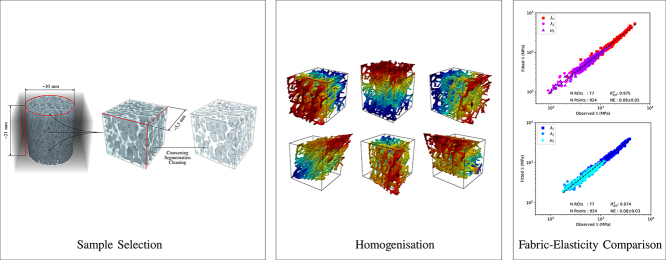 Figure 1
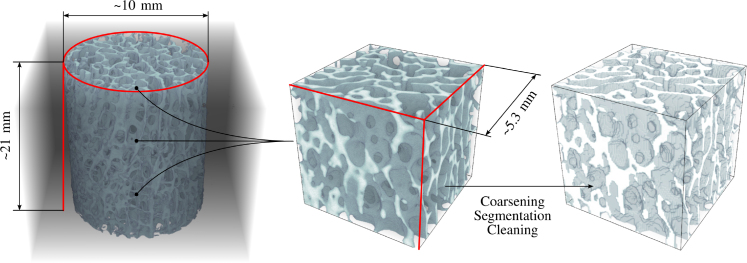 Figure 2
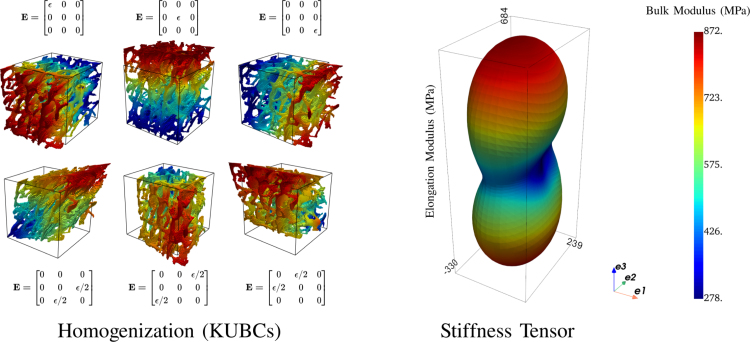 Figure 3
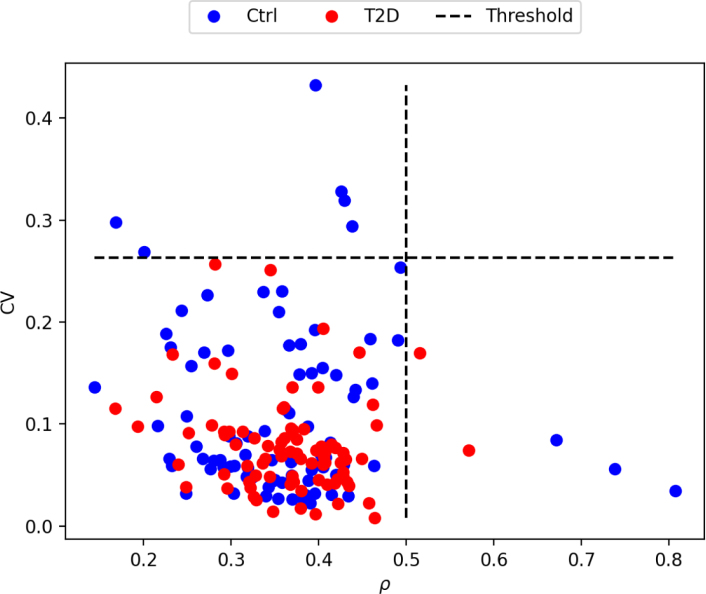 Figure 4
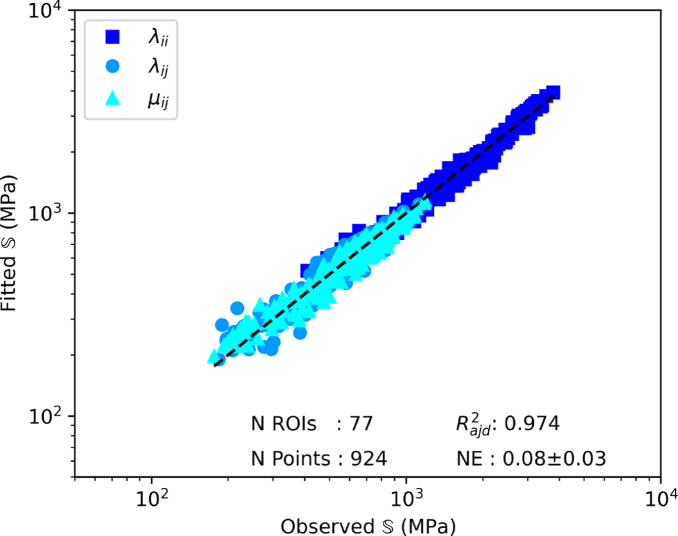 Figure 5
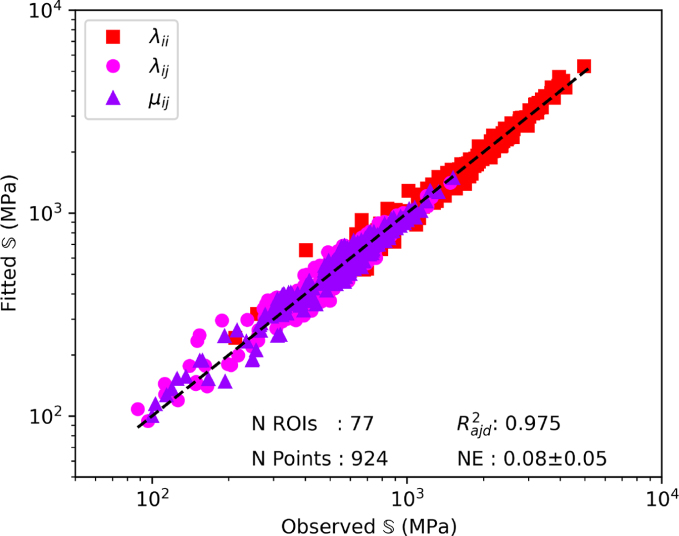 Figure 6
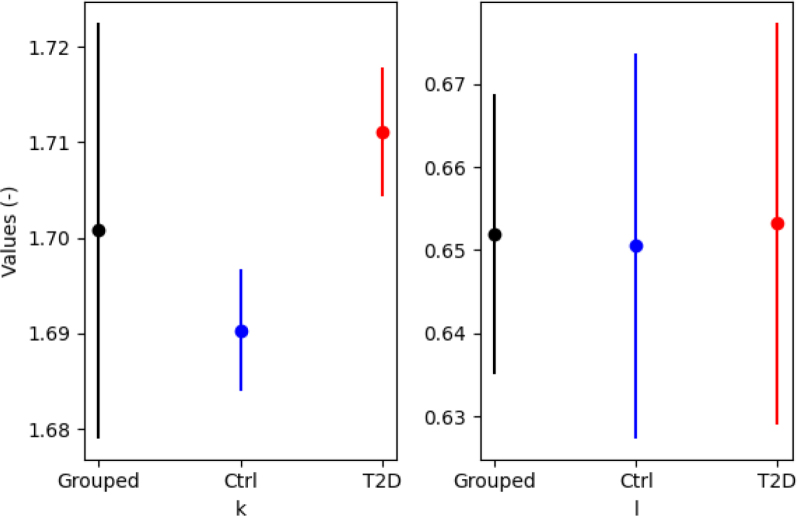 Figure 7
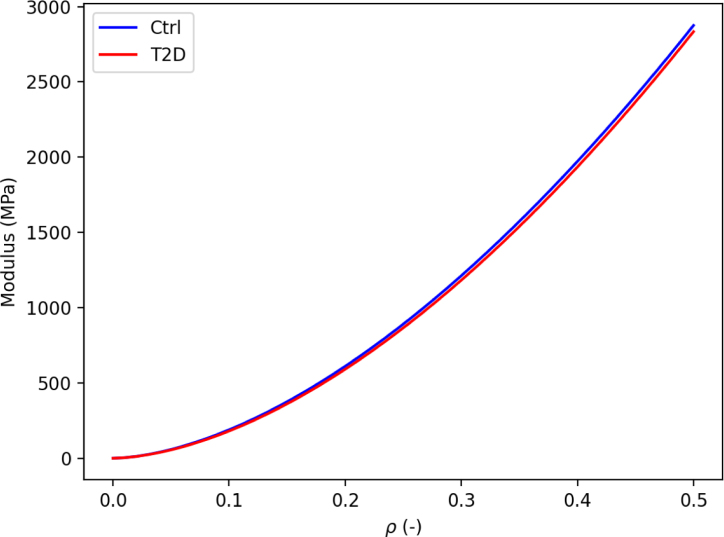 Figure 8
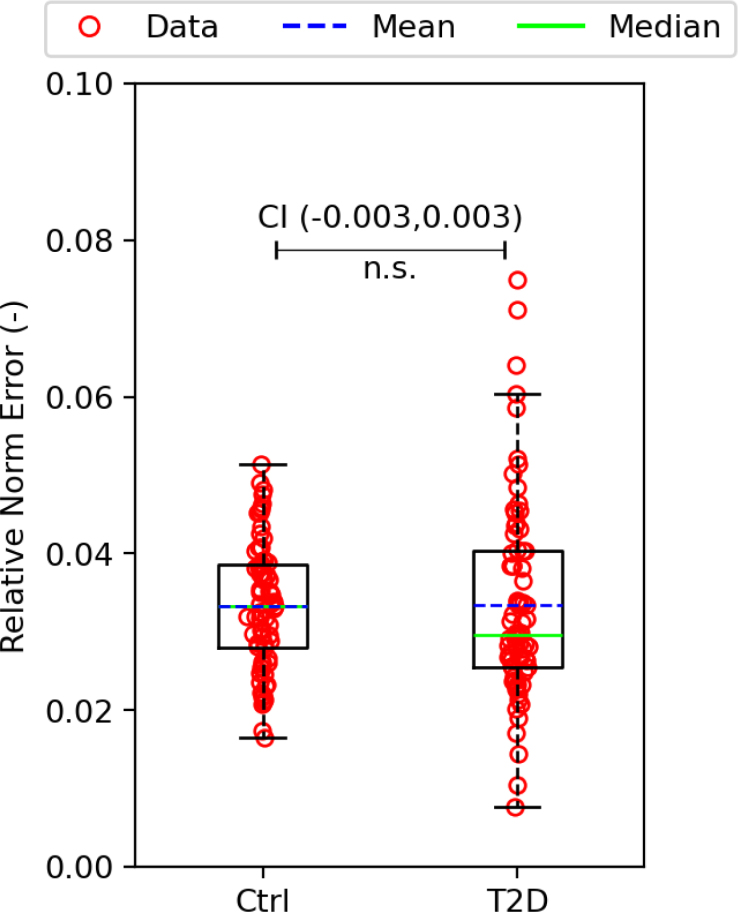 Figure 9
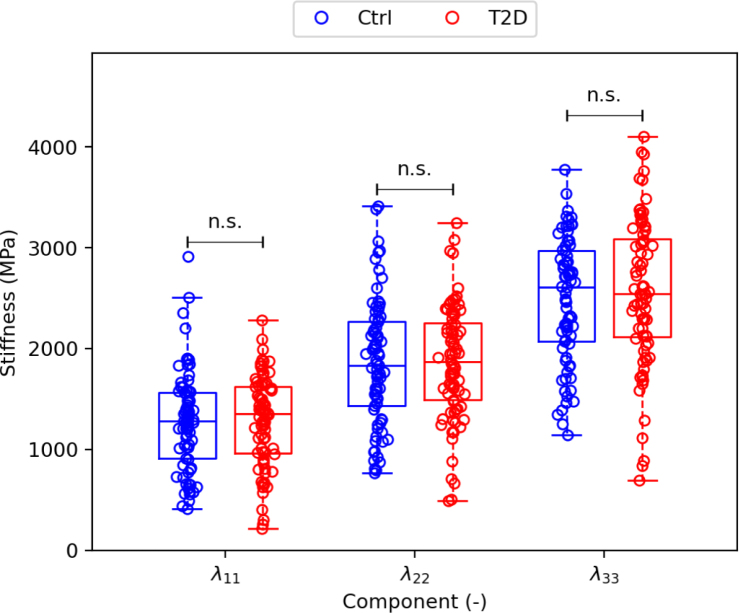 Figure 10
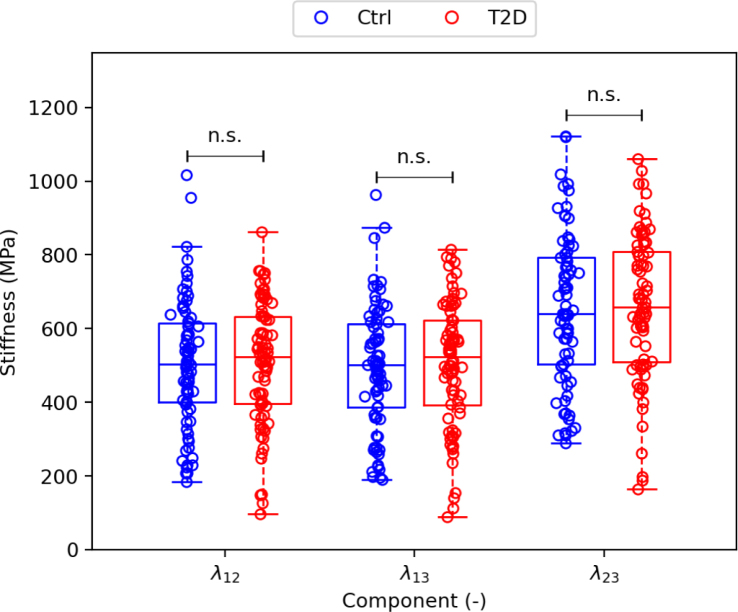 Figure 11
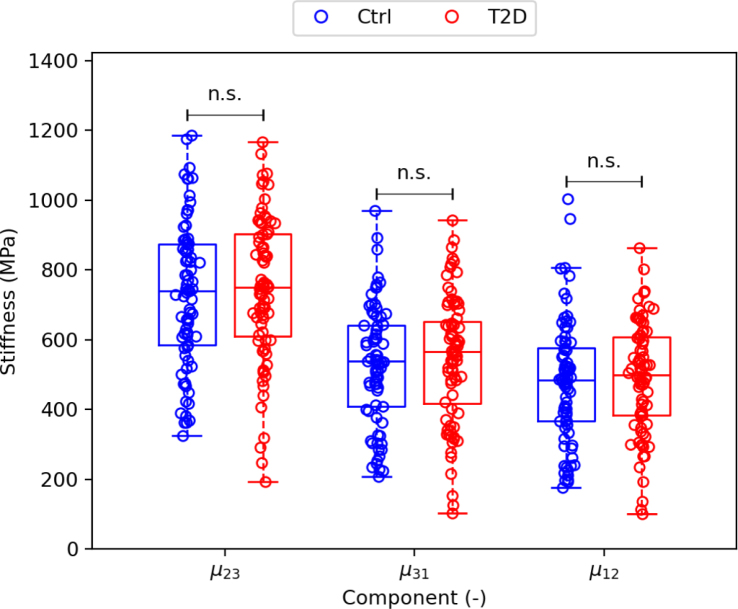 Figure 12
Peer Reviews
No public reviews on file for this paper yet. If you reviewed it on a platform where reviews are public (OpenReview, ICLR, NeurIPS, ICML), you can paste yours below so the community can read it here.
Videos
No videos yet. Explain this paper in a talk, walkthrough, or lecture? Add one.
Taxonomy
TopicsBone health and osteoporosis research · Elasticity and Material Modeling · Parathyroid Disorders and Treatments