Strain imaging in abdominal aortic aneurysms using bistatic dual-aperture ultrasound
Vera H. J. van Hal, Lisanne T. F. Passier, Marc R. H. M. van Sambeek, Hans-Martin Schwab, Richard G. P. Lopata

TL;DR
This study shows that bistatic dual-aperture ultrasound improves imaging of abdominal aortic aneurysms, helping assess risk of rupture more accurately.
Contribution
The study introduces bistatic dual-aperture ultrasound for improved strain imaging in abdominal aortic aneurysms.
Findings
Bistatic imaging increased wall-lumen contrast-to-noise ratio by 27% compared to single-aperture imaging.
Local strain quantification was feasible in vessel walls and low-contrast regions like intraluminal thrombus.
Multi-aperture ultrasound can enhance patient-specific rupture risk analysis.
Abstract
Knowledge of the full geometry of abdominal aortic aneurysms (AAA) and local, mechanical wall parameters using ultrasound (US) can contribute to a better assessment of the AAA’s mechanical state, prediction of growth and possible risk of rupture. Such an assessment is currently limited by the anisotropic lumen-wall contrast and the resolution of conventional US. The recent introduction of ultrafast dual-aperture imaging enhances image quality, using two transducers that alternately transmit and receive simultaneously (“bistatic” US). In this study, dual-aperture, bistatic US imaging is assessed in 43 AAA patients. Results were compared to single-aperture ultrafast imaging. Bistatic imaging was demonstrated successfully in 40 patients. Compared to single-aperture imaging, the median wall-lumen generalized contrast-to-noise ratio (gCNR) was significantly increased by 0.13 (+27%). By…
Genes, proteins, chemicals, diseases, species, mutations and cell lines named across the full text — each resolved to its canonical identifier and authoritative record.
Click any figure to enlarge with its caption.
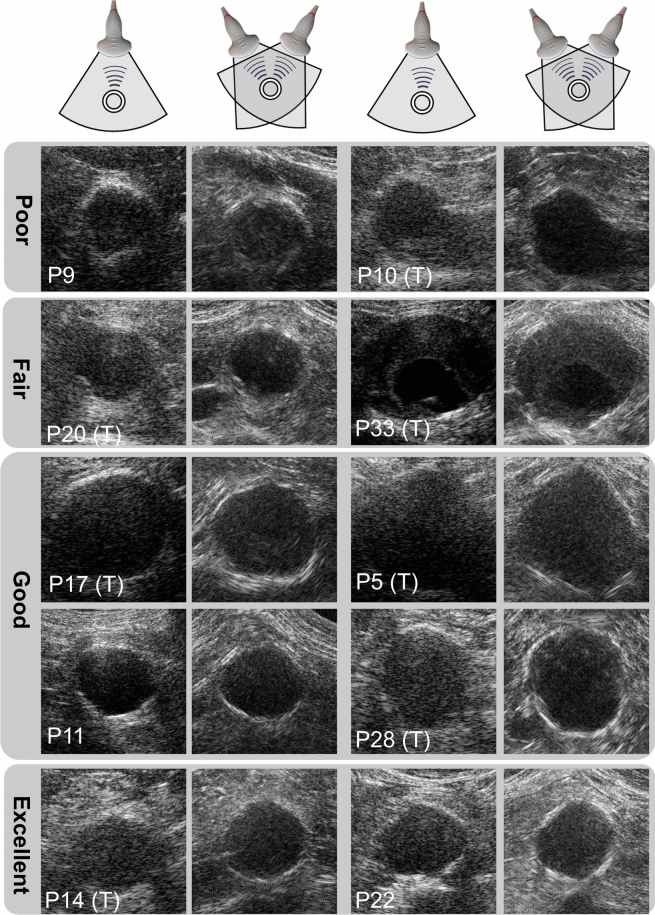 Figure 1
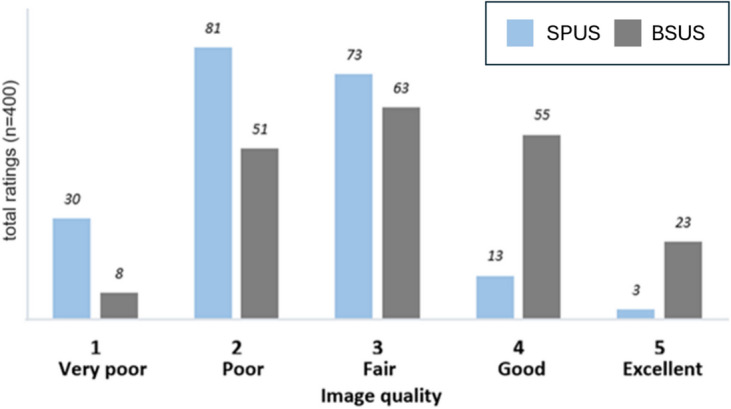 Figure 2
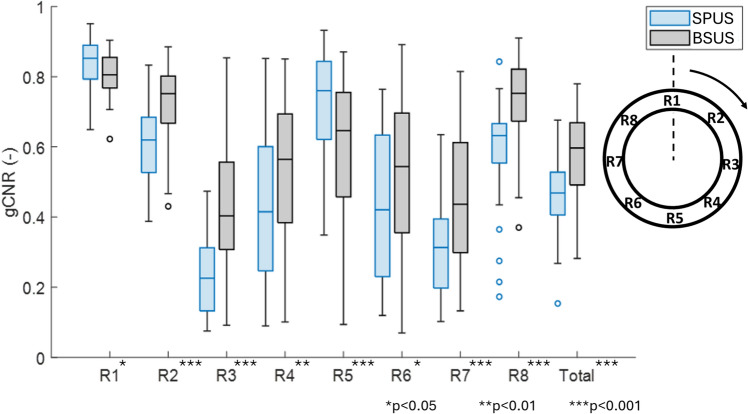 Figure 3
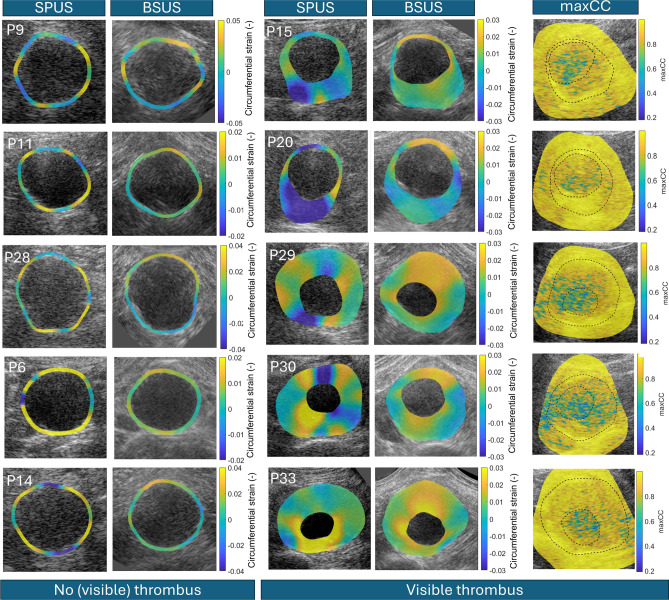 Figure 4
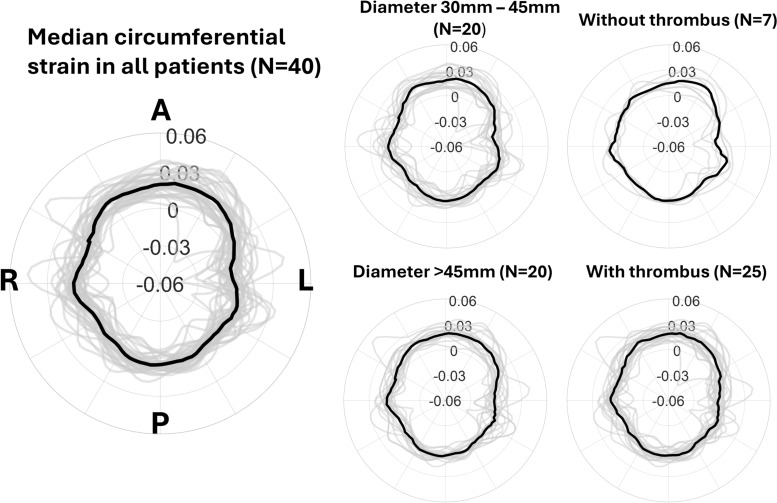 Figure 5
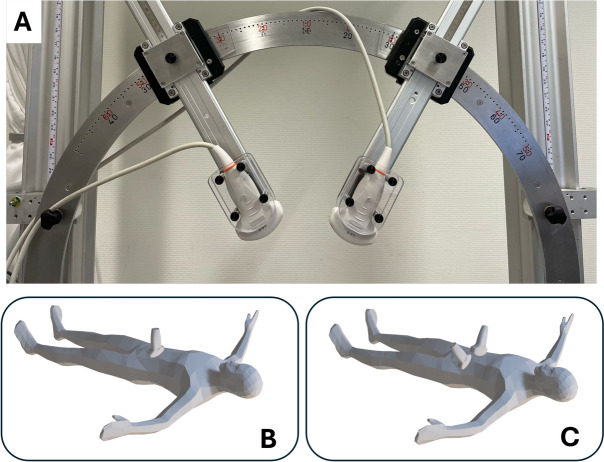 Figure 6
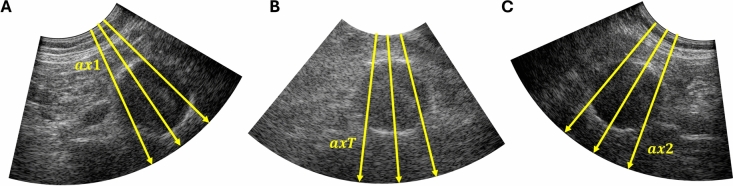 Figure 7
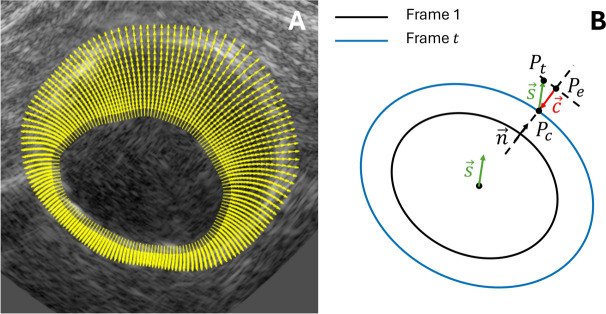 Figure 8
Peer Reviews
No public reviews on file for this paper yet. If you reviewed it on a platform where reviews are public (OpenReview, ICLR, NeurIPS, ICML), you can paste yours below so the community can read it here.
Videos
No videos yet. Explain this paper in a talk, walkthrough, or lecture? Add one.
Taxonomy
TopicsAortic aneurysm repair treatments · Peripheral Artery Disease Management · Coronary Interventions and Diagnostics