Protocol to validate custom-designed BaseScope probes using cell-free synthesized protein lysates and in vitro-transcribed purified mRNA
Theresa Hartung, Anne Zemella, Andreas Meisel

TL;DR
This paper introduces a cost-effective protocol to validate BaseScope probes using cell-free protein lysates and purified mRNA, improving efficiency for detecting rare RNA molecules.
Contribution
A novel validation protocol for BaseScope probes using cell-free synthesized lysates and in vitro mRNA as controls is presented.
Findings
Custom BaseScope probes can be validated using cell-free protein lysates and in vitro-transcribed mRNA as positive controls.
The protocol includes steps for slide preparation, hybridization, amplification, and detection in liquid samples.
The method is applicable to liquid biopsies and RNA therapeutic validation.
Abstract
BaseScope is an ultra-sensitive in situ hybridization technique specifically designed for detection of rare, short RNA molecules, particularly enabling co-detection of exon junctions in splice variants. Its use is cost intensive due to required protocol optimization for each tissue, especially when target expression is very low. Here, we present a protocol to validate functionality of custom-designed BaseScope probes by utilizing cell-free synthesized protein lysates and in vitro-transcribed purified mRNA as positive controls. We detail steps for slide preparation, probe hybridization, signal amplification, and detection. •Steps for performing a duplex chromogenic BaseScope assay using cell-free liquid samples•Procedures for validating functionality of custom-designed BaseScope probes•Guidance on using protein lysates and in vitro-transcribed mRNA as positive controls•Workflow for…
Genes, proteins, chemicals, diseases, species, mutations and cell lines named across the full text — each resolved to its canonical identifier and authoritative record.
Click any figure to enlarge with its caption.
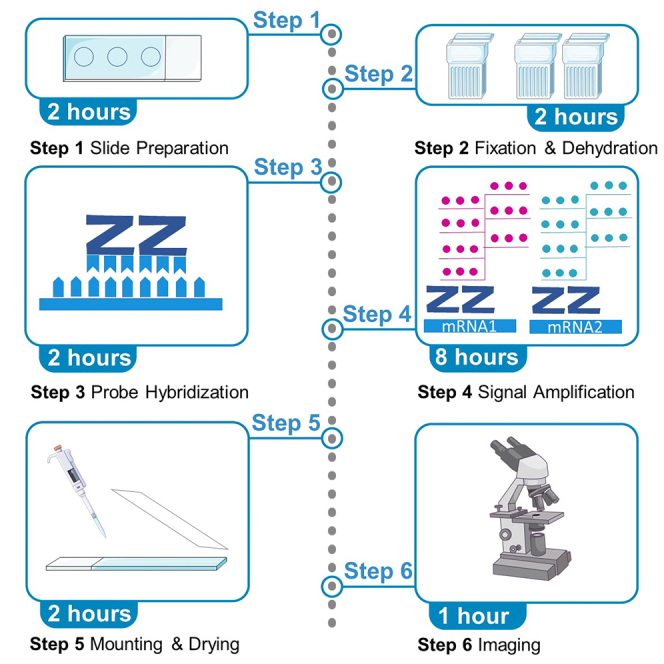 Figure 1
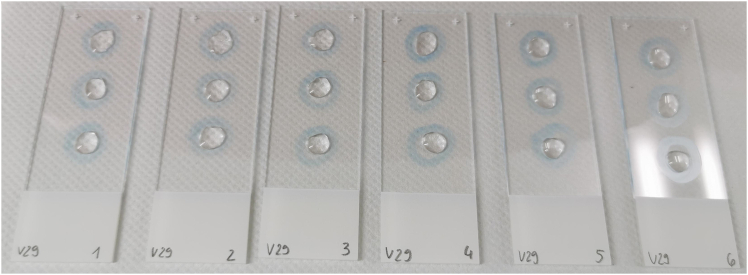 Figure 2
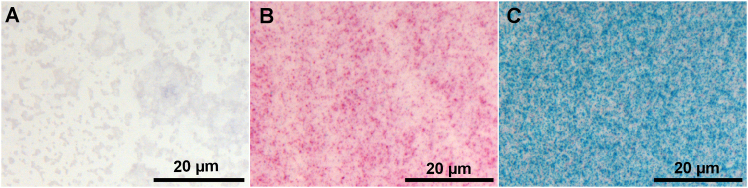 Figure 3
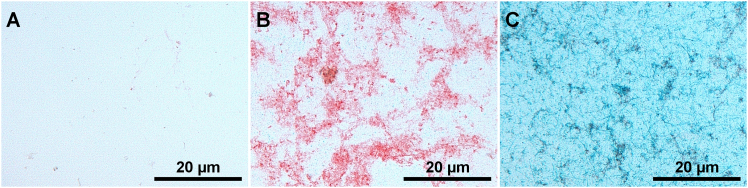 Figure 4
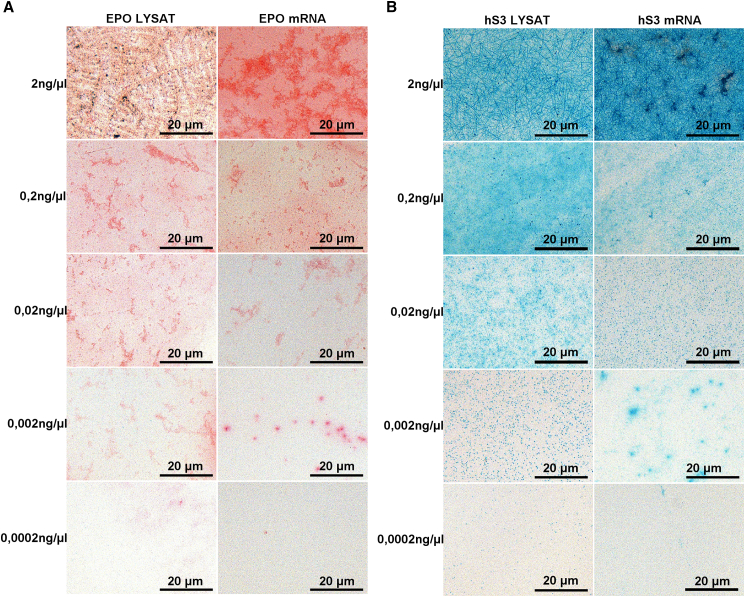 Figure 5
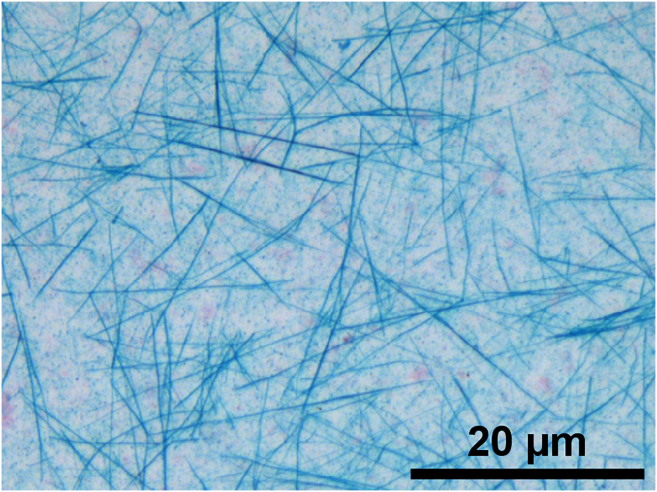 Figure 6
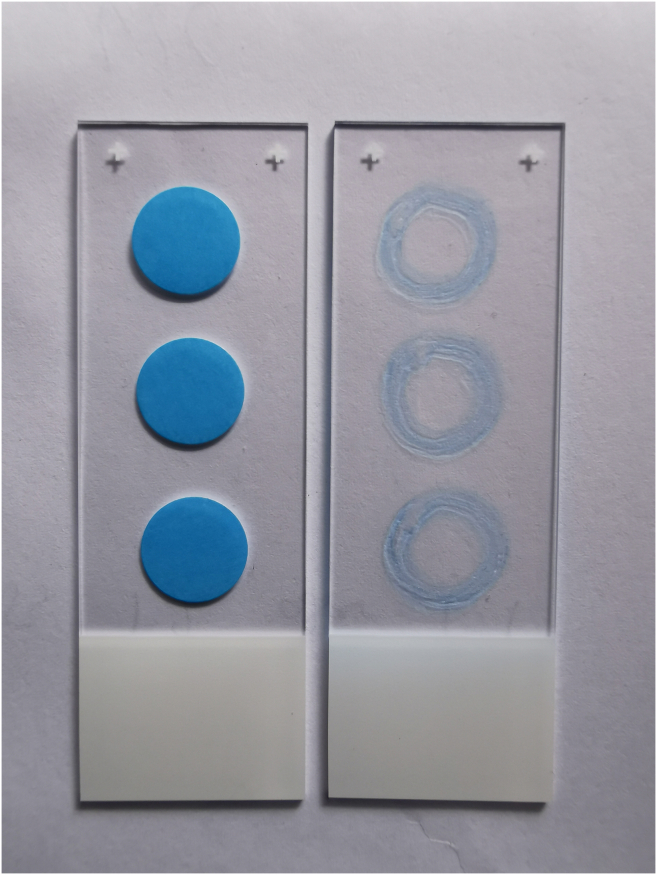 Figure 7
Peer Reviews
No public reviews on file for this paper yet. If you reviewed it on a platform where reviews are public (OpenReview, ICLR, NeurIPS, ICML), you can paste yours below so the community can read it here.
Videos
No videos yet. Explain this paper in a talk, walkthrough, or lecture? Add one.
Taxonomy
TopicsRNA and protein synthesis mechanisms · RNA Research and Splicing · Molecular Biology Techniques and Applications