Comparative evaluation of aqueous Beta vulgaris extract as a natural microbial dye relative to standard stains through image processing
Sheetal Gouda, Navya Shetty, H. A. Arundathi, V. N. Venkatesh, Sooraj Mohan, P. Dinesha

TL;DR
This study compares beetroot extract to traditional dyes for staining microbes, finding it works well for fungi but needs improvement for bacteria.
Contribution
The novel use of Beta vulgaris extract as a natural microbial dye is evaluated for its staining effectiveness and sustainability.
Findings
Beta vulgaris extract provides better morphological detail for fungal staining compared to standard dyes.
Bacterial staining with Beta vulgaris extract is less sharp visually.
No significant differences were found in most image quality parameters between the extract and standard dyes.
Abstract
The growing environmental concerns about synthetic dyes have increased interest in finding natural, non-toxic alternatives for microbiological staining. This study assesses the effectiveness of aqueous Beta vulgaris (beetroot) extract as a staining agent for microorganisms, comparing its performance with traditional dyes. Microbial smears containing bacteria and fungi were prepared using both standard dyes and Beta vulgaris extract. Microscopic images were taken and analyzed quantitatively, using measures such as sharpness, entropy, contrast, signal-to-noise ratio, and edge intensity. While statistical analysis with the Wilcoxon Signed-Rank test showed no significant differences in most parameters (p > 0.05), the Beta vulgaris extract showed clear advantages in fungal staining, providing better morphological detail. However, bacterial staining was less sharp visually. These results…
Genes, proteins, chemicals, diseases, species, mutations and cell lines named across the full text — each resolved to its canonical identifier and authoritative record.
Click any figure to enlarge with its caption.
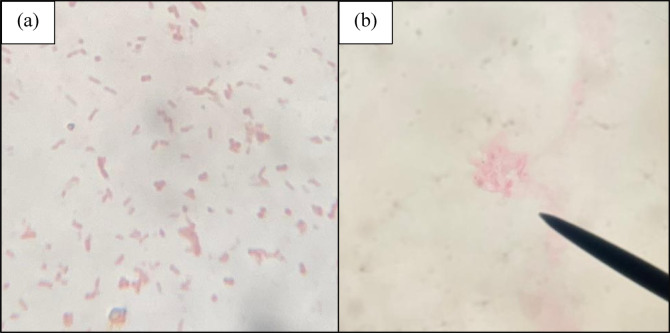 Figure 1
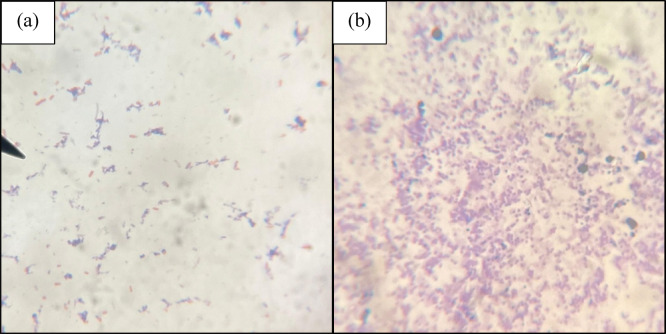 Figure 2
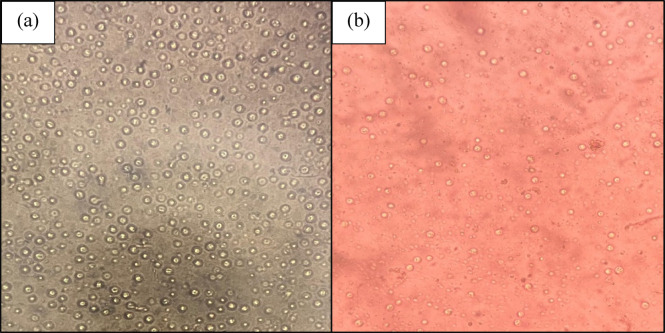 Figure 3
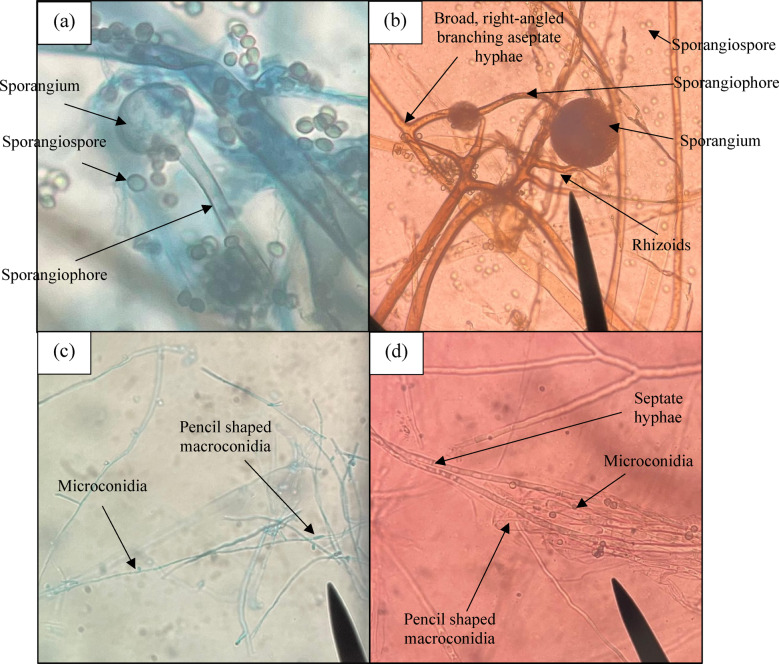 Figure 4
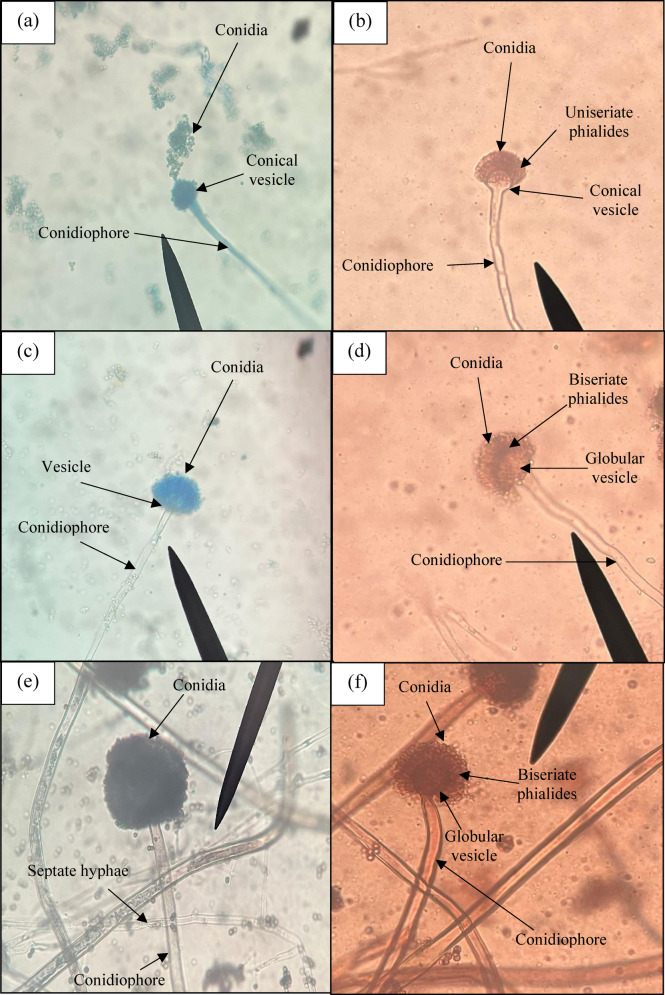 Figure 5
Peer Reviews
No public reviews on file for this paper yet. If you reviewed it on a platform where reviews are public (OpenReview, ICLR, NeurIPS, ICML), you can paste yours below so the community can read it here.
Videos
No videos yet. Explain this paper in a talk, walkthrough, or lecture? Add one.
Taxonomy
TopicsMicrobial Metabolism and Applications · Biological Stains and Phytochemicals · Building materials and conservation