Biochanin A prevents neurodegeneration and oxidative stress in a kainic acid model of epilepsy by activating the PI3K/Akt/Nrf2 signaling pathway
Ratchaniporn Kongsui, Tichanon Promsrisuk, Teera Chanmanee, Lars Klimaschewski, Sataporn Jamsuwan, Napatr Sriraksa, Jinatta Jittiwat, Sitthisak Thongrong

TL;DR
Biochanin A, a natural isoflavone, protects against epilepsy-related brain damage by reducing oxidative stress and activating a key cell survival pathway.
Contribution
This study demonstrates that Biochanin A prevents neurodegeneration in epilepsy by activating the PI3K/Akt/Nrf2 pathway.
Findings
Biochanin A increased seizure threshold and improved memory in a kainic acid-induced epilepsy model.
Treatment reduced neuronal death and restored astrocyte and microglia function in the hippocampus.
Biochanin A upregulated the PI3K/Akt/Nrf2 pathway and increased antioxidant enzyme levels.
Abstract
Epilepsy is a serious neurodegenerative disorder, which affects approximately 50 million people worldwide. Growing evidence indicates that oxidative stress caused by an excessive production of free radicals is considered one of the etiologies of epilepsy. Several studies have demonstrated that neurotoxicity-induced oxidative stress leads to neuronal cell death and seizure severity. In this study, we investigated the possible effects of biochanin A (BA), a natural isoflavone containing antioxidant and neuroprotective activities, in a mouse model of epilepsy, induced by an intraperitoneal injection of kainic acid (KA). The administration of KA produced severe seizure activity, and a decrease in memory function. Histological studies following KA injection revealed significant neurodegeneration, astrocyte dysfunction, and microglia activation in CA1, CA3, and hilus of the hippocampus.…
Genes, proteins, chemicals, diseases, species, mutations and cell lines named across the full text — each resolved to its canonical identifier and authoritative record.
Click any figure to enlarge with its caption.
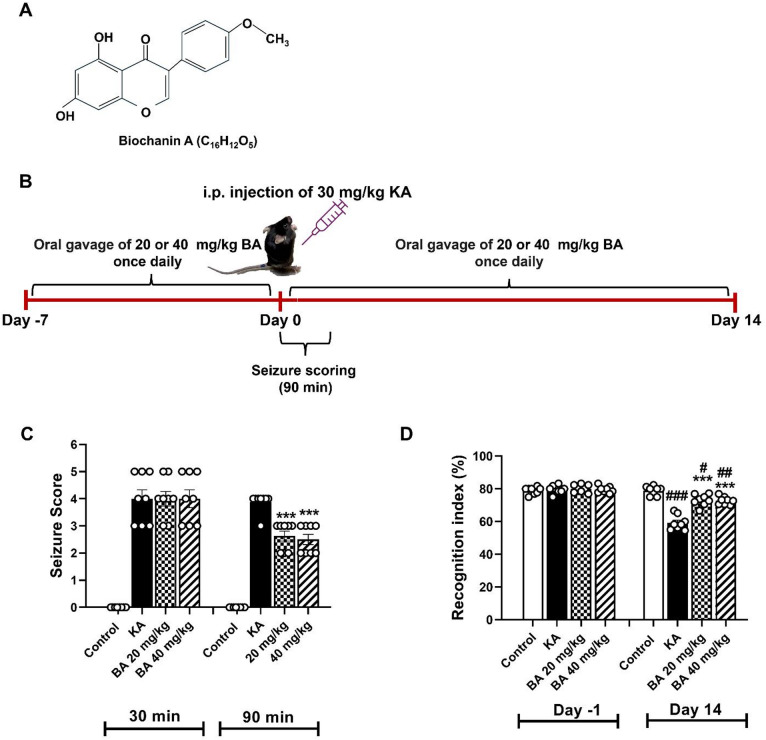 Figure 1
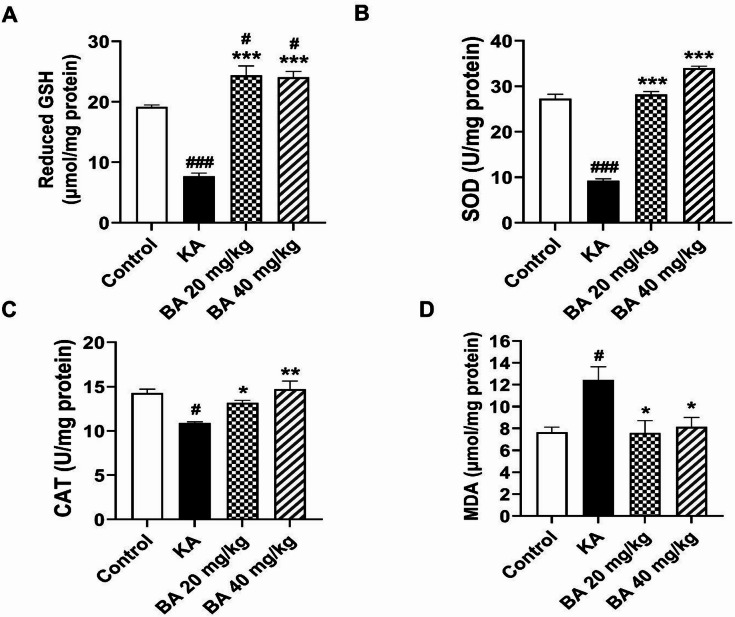 Figure 2
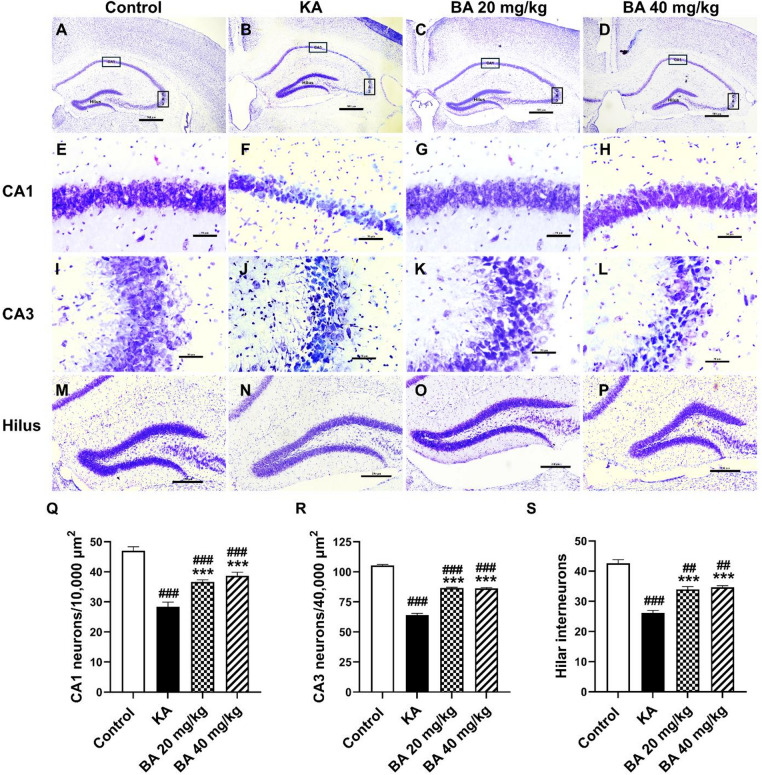 Figure 3
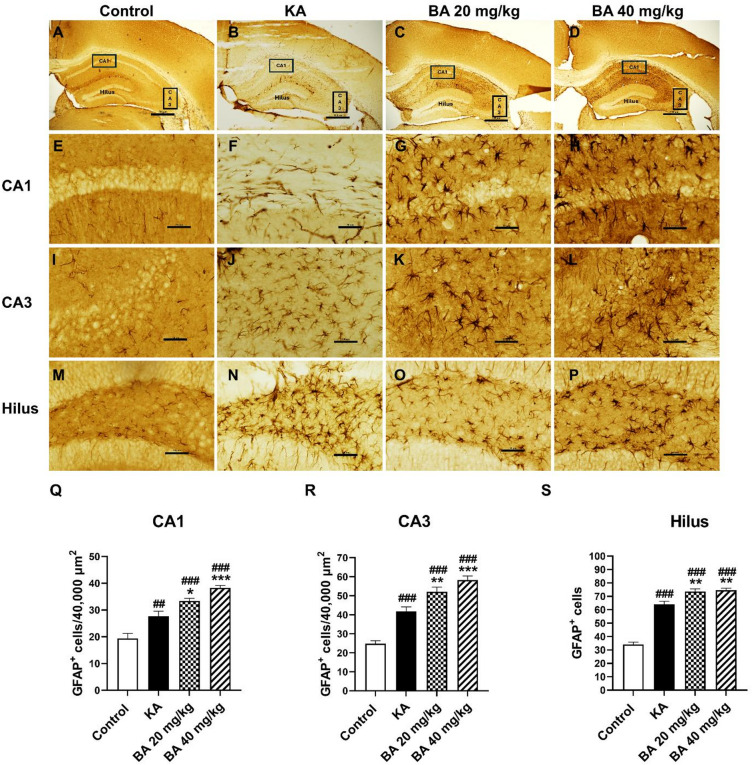 Figure 4
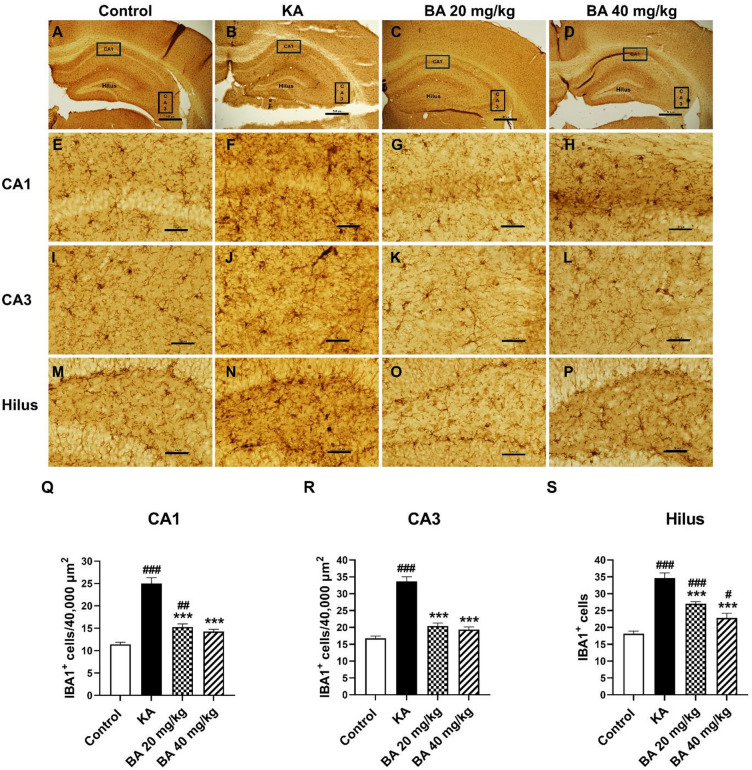 Figure 5
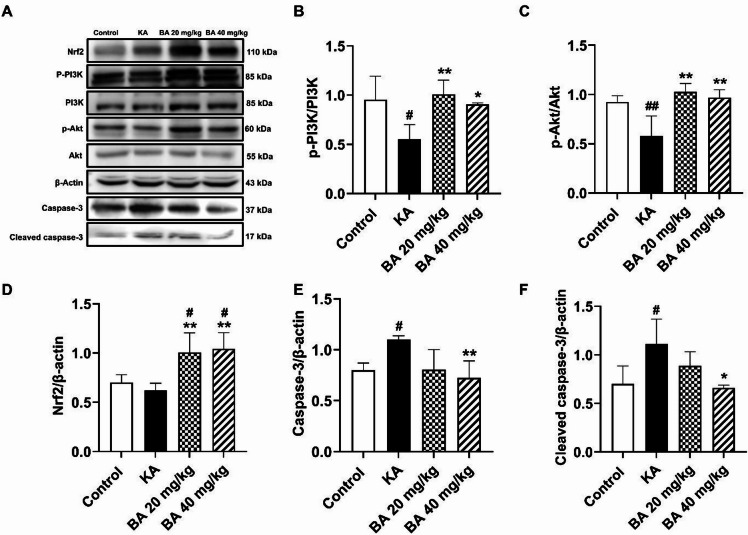 Figure 6
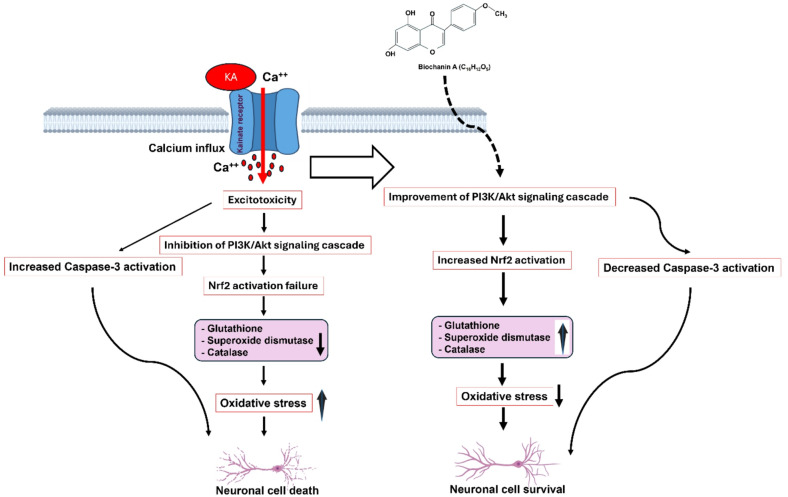 Figure 7
Peer Reviews
No public reviews on file for this paper yet. If you reviewed it on a platform where reviews are public (OpenReview, ICLR, NeurIPS, ICML), you can paste yours below so the community can read it here.
Videos
No videos yet. Explain this paper in a talk, walkthrough, or lecture? Add one.
Taxonomy
TopicsNeuroscience and Neuropharmacology Research · Tryptophan and brain disorders · Neuroinflammation and Neurodegeneration Mechanisms