Heat shock protein DNAJA2 controls insulin signaling and glucose homeostasis by preventing spontaneous insulin receptor endocytosis
Yuanhua Qin, Wenjun Wu, Kequan Lin, Anthony J. Davis, Yaping Huang

TL;DR
DNAJA2, a heat shock protein, helps regulate insulin signaling and glucose metabolism by preventing insulin receptor endocytosis, and its absence leads to metabolic disorders like diabetes.
Contribution
This study reveals DNAJA2's novel role in preventing spontaneous insulin receptor endocytosis, linking it to glucose homeostasis and metabolic diseases.
Findings
DNAJA2 binds to the insulin receptor and inhibits AP2-mediated endocytosis.
Loss of DNAJA2 reduces insulin receptor localization and impairs insulin signaling.
DNAJA2 deficiency leads to neonatal lethality and is associated with metabolic disorders like T2DM and obesity.
Abstract
Dysregulation of heat shock protein DNAJA2 induces genomic instability and was consequently hypothesized to promote tumorigenesis. However, DNAJA2 knockout mice do not develop cancer but exhibit neonatal lethality and the underlying mechanism remains unknown. Here, we demonstrate that DNAJA2 maintains homeostatic glucose metabolism by regulating insulin signaling. Mechanistically, DNAJA2 binds to the insulin receptor (IR) and prevents adaptor protein 2 (AP2)-mediated spontaneous IR endocytosis by inhibiting the IR-AP2 interaction. Thus, DNAJA2 defects lead to reduced IR localization on the plasma membrane and suppression of the insulin-stimulated signaling cascade, thereby inhibiting glycogen synthesis and storage in the liver during embryogenesis, further resulting in neonatal lethality of DNAJA2-deficient mice. Analysis of public datasets reveals a strong association between DNAJA2…
Genes, proteins, chemicals, diseases, species, mutations and cell lines named across the full text — each resolved to its canonical identifier and authoritative record.
Click any figure to enlarge with its caption.
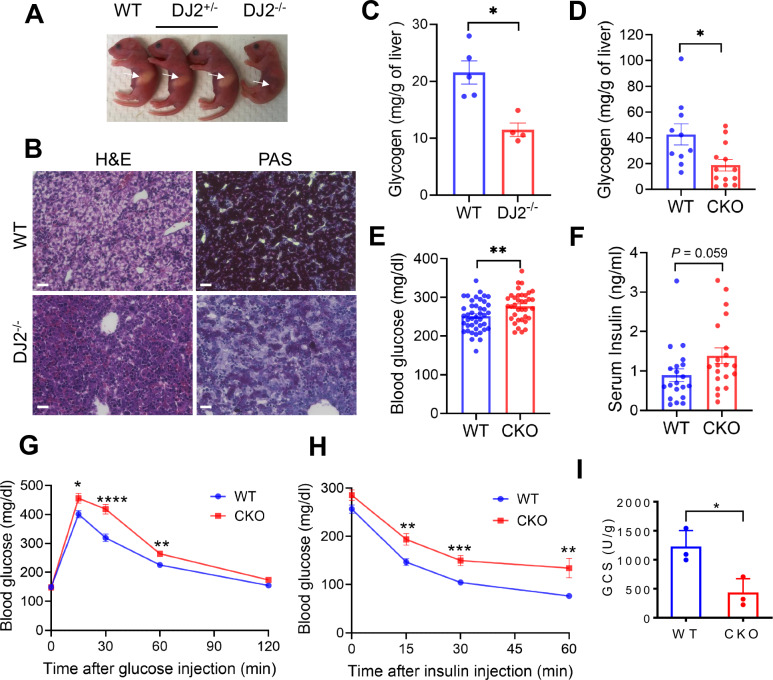 Figure 1
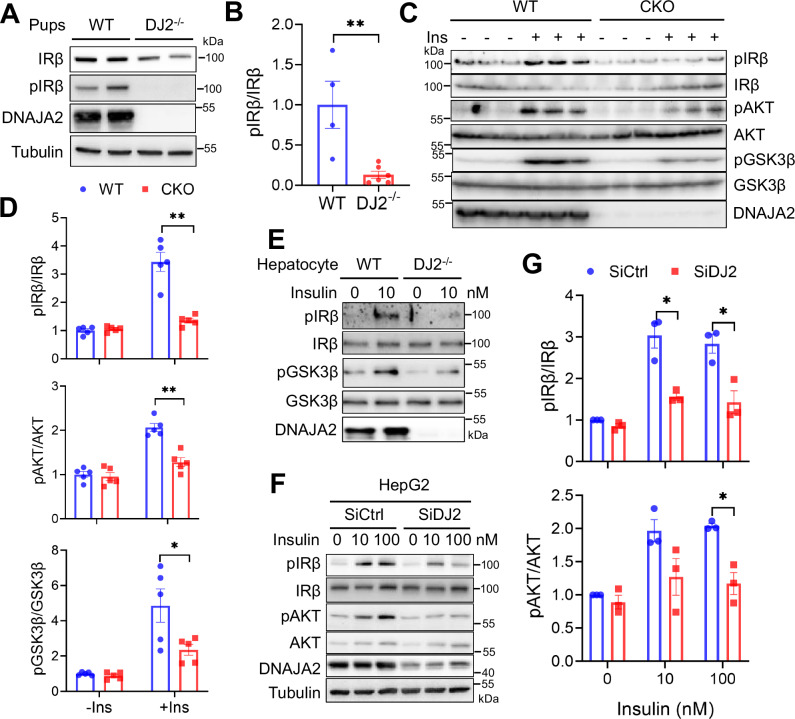 Figure 2
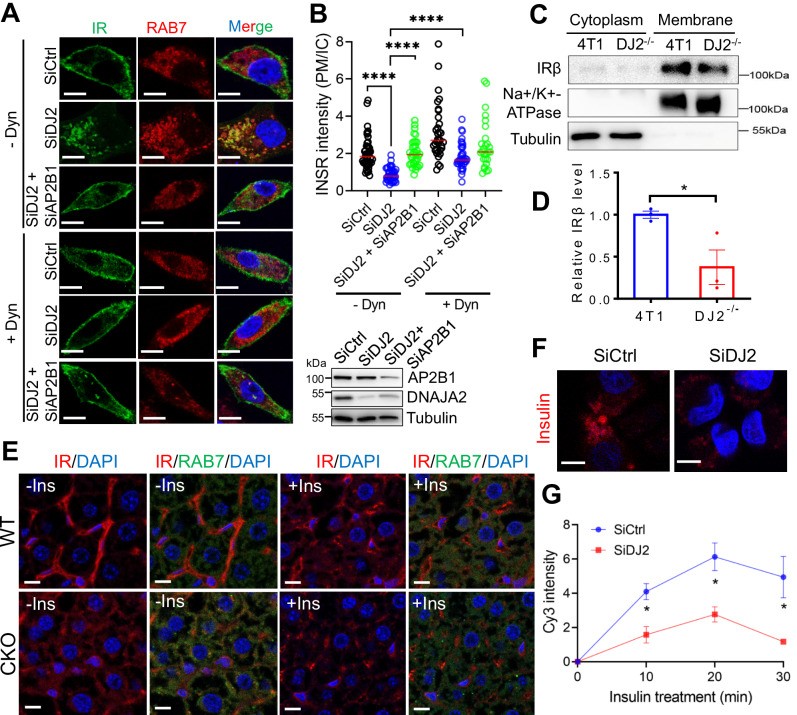 Figure 3
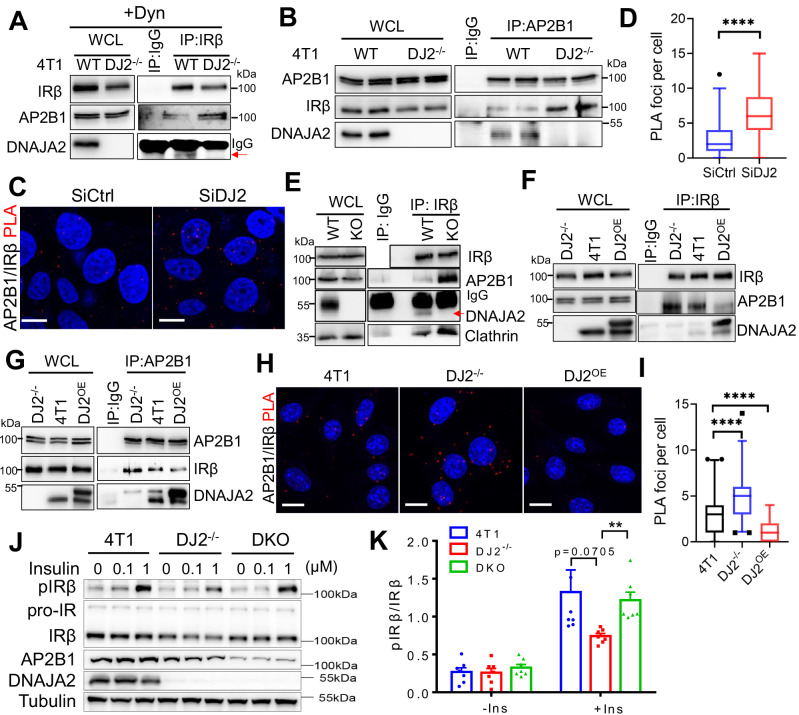 Figure 4
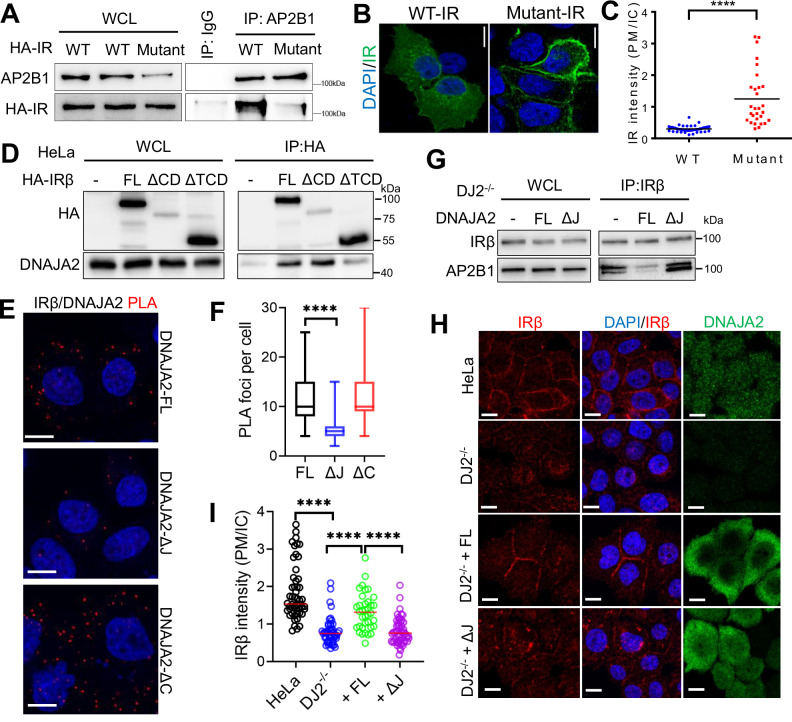 Figure 5
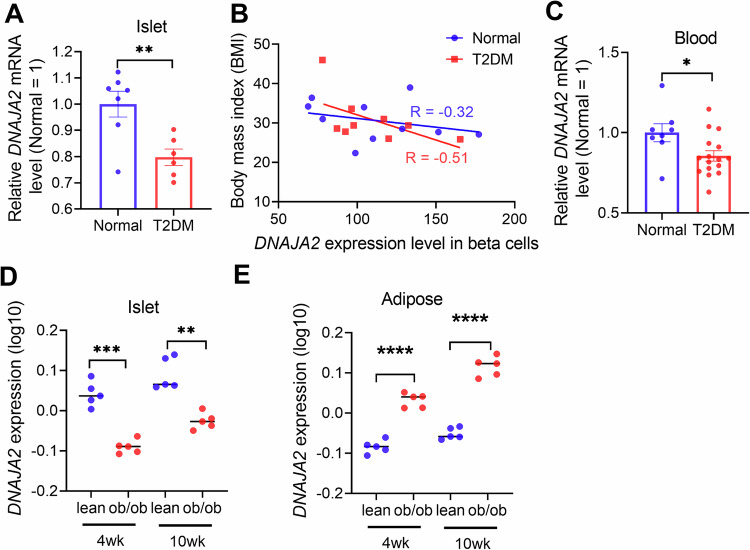 Figure 6
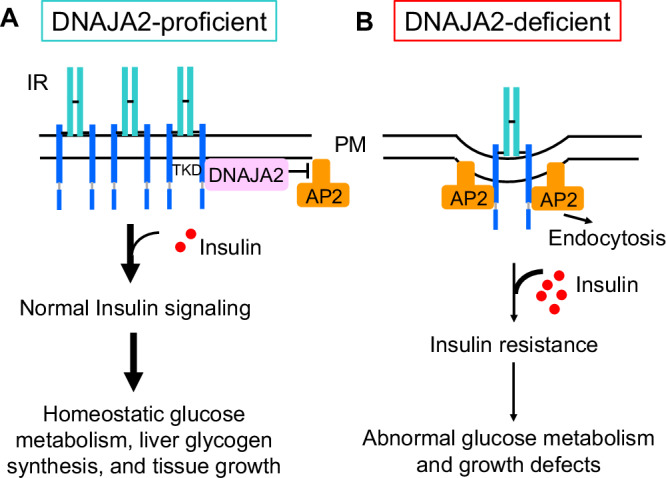 Figure 7
Peer Reviews
No public reviews on file for this paper yet. If you reviewed it on a platform where reviews are public (OpenReview, ICLR, NeurIPS, ICML), you can paste yours below so the community can read it here.
Videos
No videos yet. Explain this paper in a talk, walkthrough, or lecture? Add one.
Taxonomy
TopicsHeat shock proteins research · Endoplasmic Reticulum Stress and Disease · Mitochondrial Function and Pathology