Timbre perception in violins: spectral and formant influences of string materials in a controlled study
Takumi Asakura

TL;DR
This study explores how different violin string materials affect the sound's timbre, linking subjective perceptions to acoustic features like spectral energy and formant frequencies.
Contribution
The study introduces a controlled experimental setup and a Gradient Boosting Tree model to predict timbre perception from acoustic parameters.
Findings
Gut and nylon strings are perceived as darker and rougher, while steel strings sound brighter and more defined.
Timbre perception is negatively correlated with formant frequencies, and Sharpness is influenced by high-frequency energy.
A Gradient Boosting Tree model outperformed linear regression in predicting subjective timbre impressions (R² ≈ 0.47).
Abstract
String instrument timbre is influenced by a complex interplay of string material, instrument body characteristics, and playing technique. However, the perceptual effects of different string materials and their relationship with acoustic parameters remain incompletely understood. This study investigates how violin string materials (gut, nylon, and steel) affect subjective timbre perception and their correlation with acoustic features. Violin sounds were recorded using an automated bowing machine, ensuring consistency, and analyzed for spectral energy distribution and formant frequencies. Subjective impressions were collected using a semantic differential (SD) method, and factor analysis identified three key perceptual dimensions: Texture, Sharpness, and Power. Statistical analysis revealed that string material significantly influenced perceived timbre, with gut and nylon strings…
Genes, proteins, chemicals, diseases, species, mutations and cell lines named across the full text — each resolved to its canonical identifier and authoritative record.
Click any figure to enlarge with its caption.
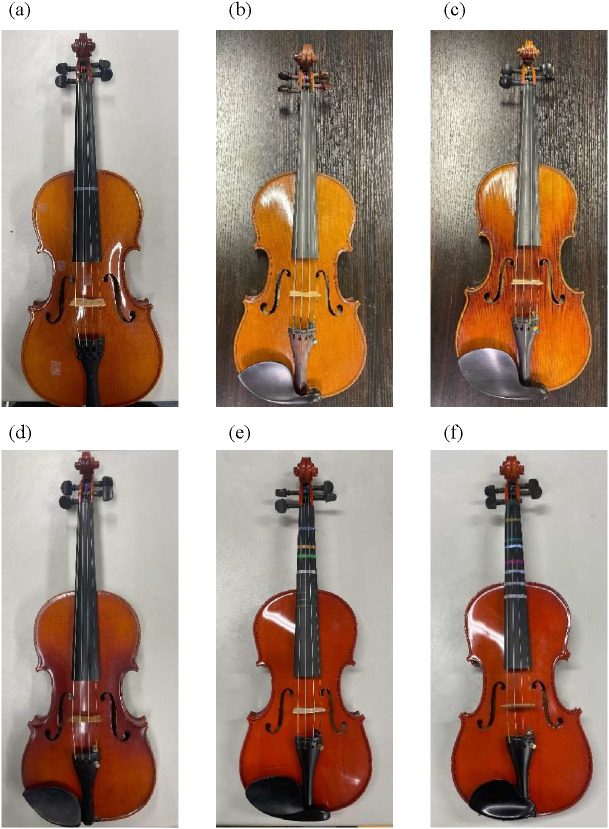 Figure 1
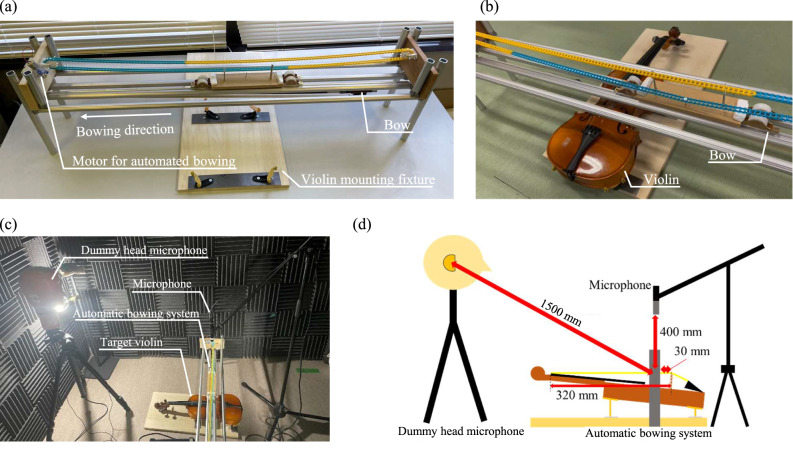 Figure 2
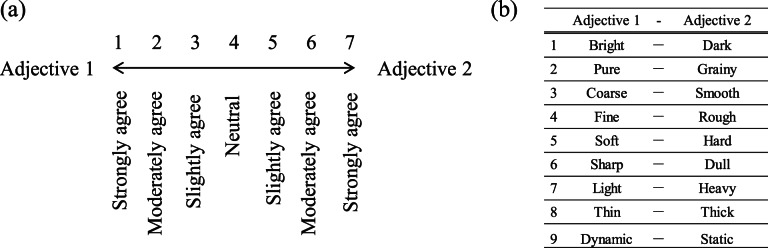 Figure 3
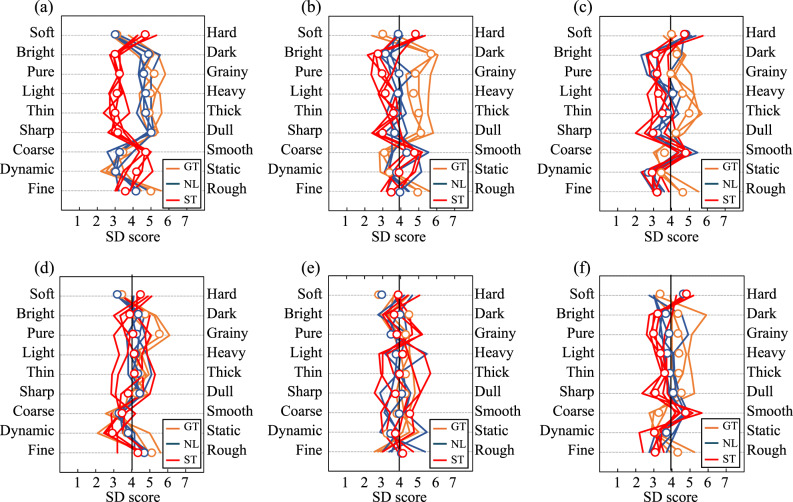 Figure 4
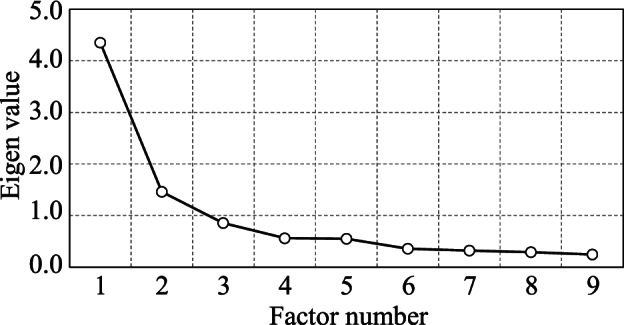 Figure 5
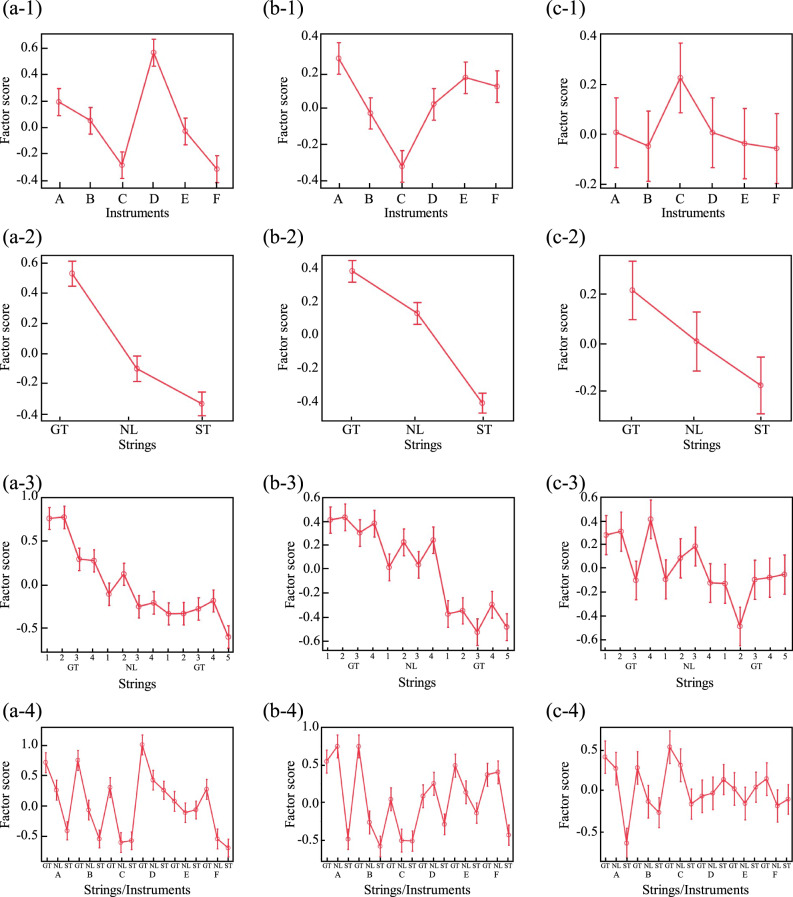 Figure 6
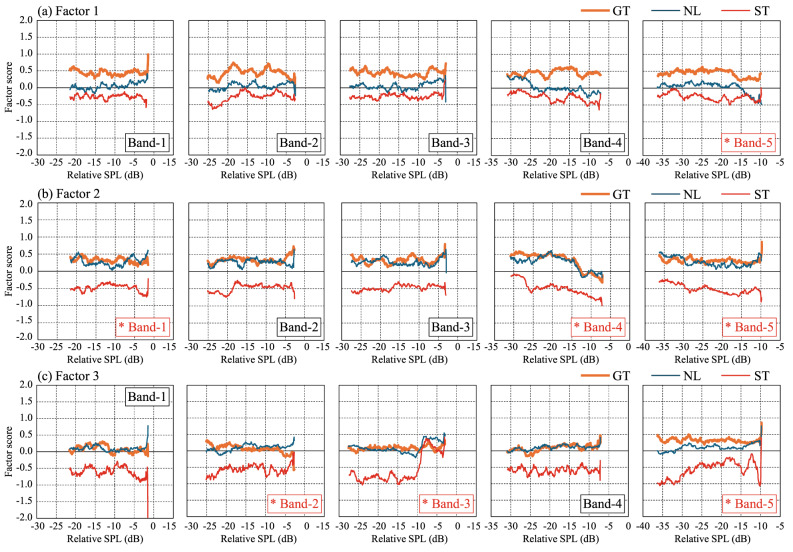 Figure 7
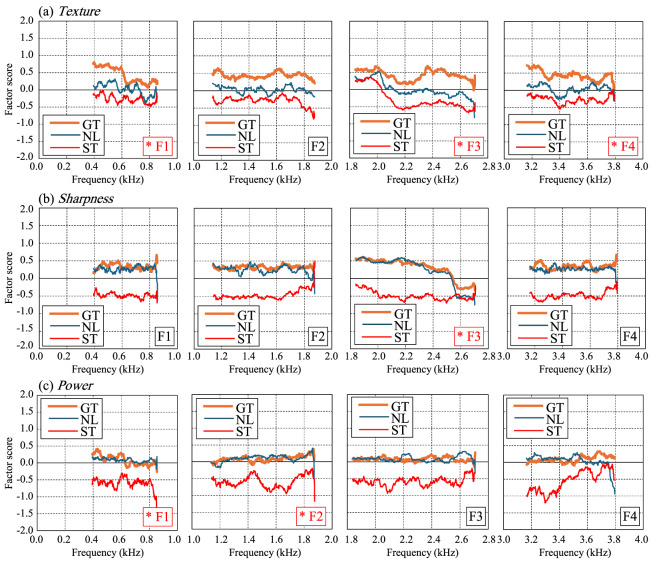 Figure 8
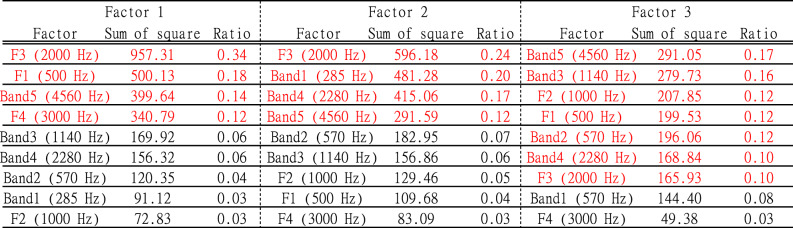 Figure 9
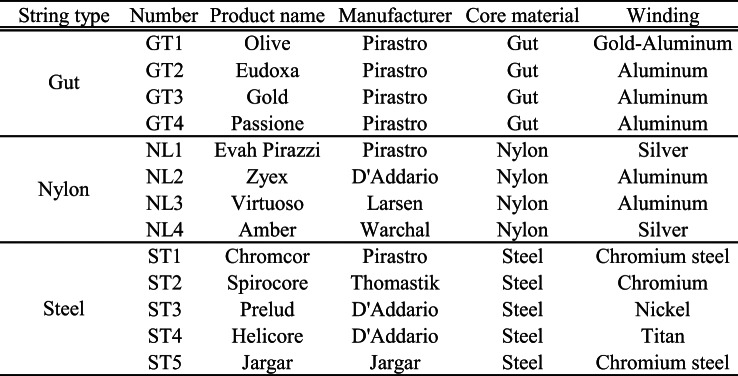 Figure 10
 Figure 11
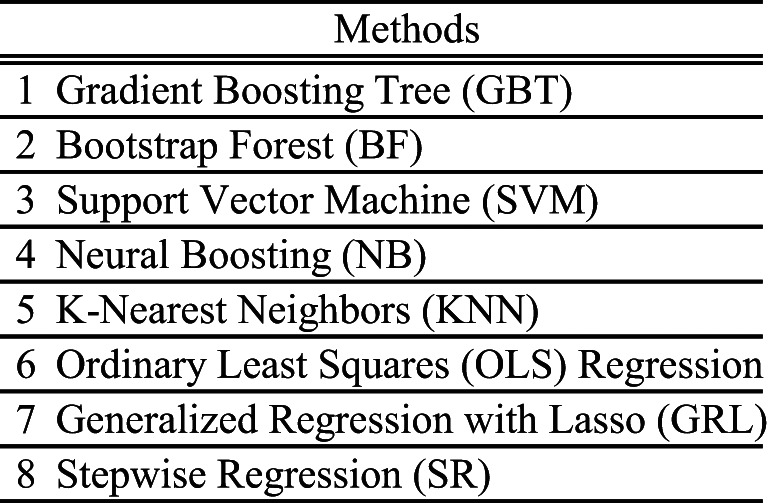 Figure 12
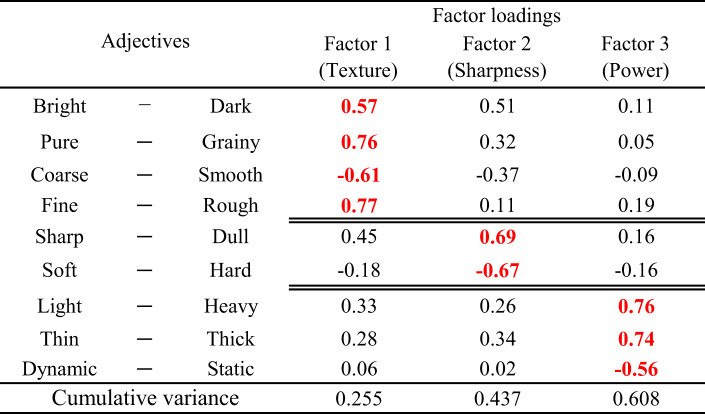 Figure 13
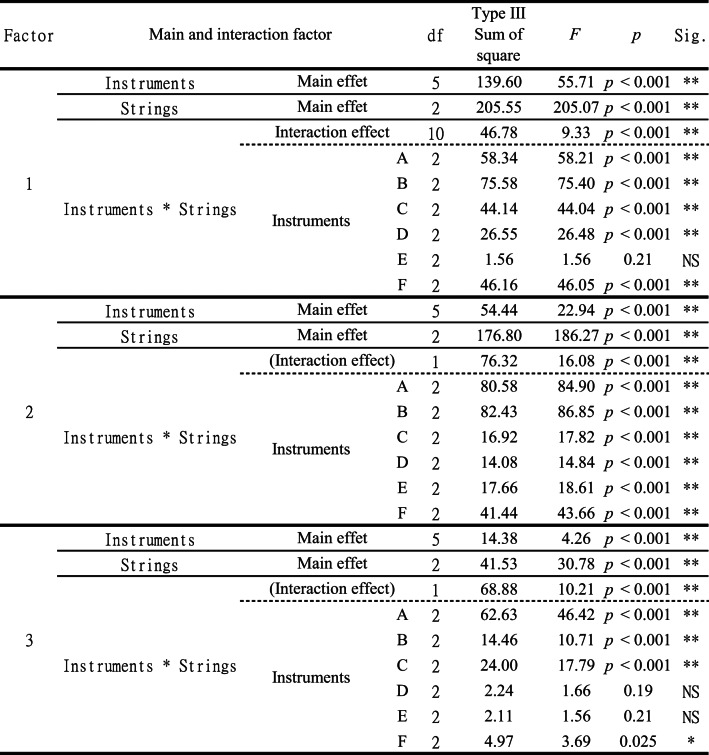 Figure 14
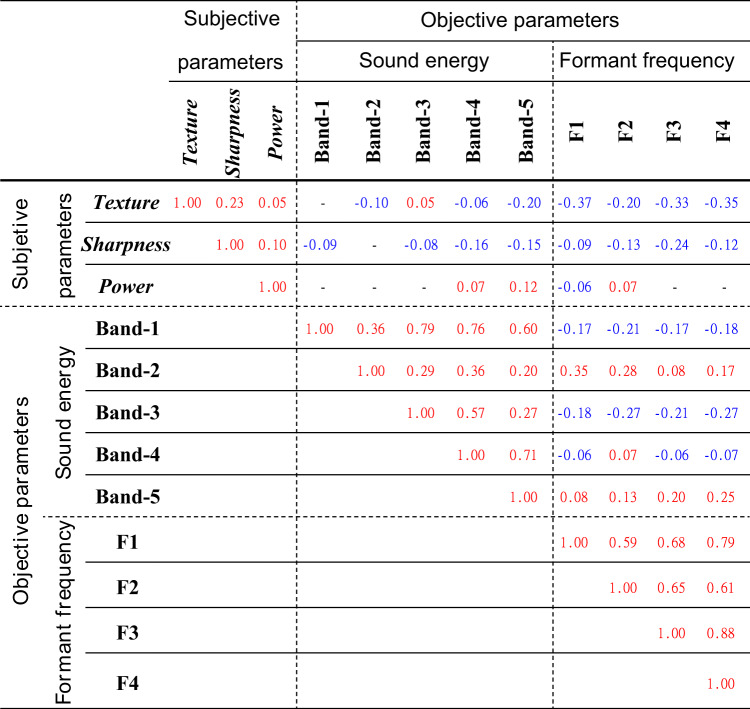 Figure 15
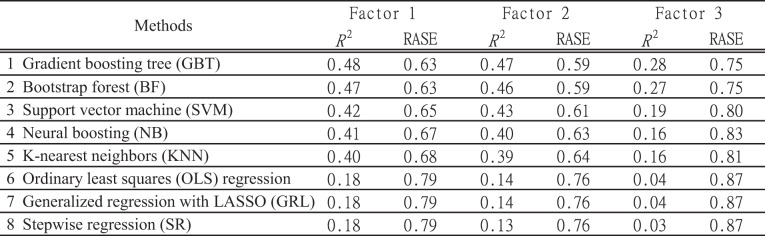 Figure 16
 Figure 17
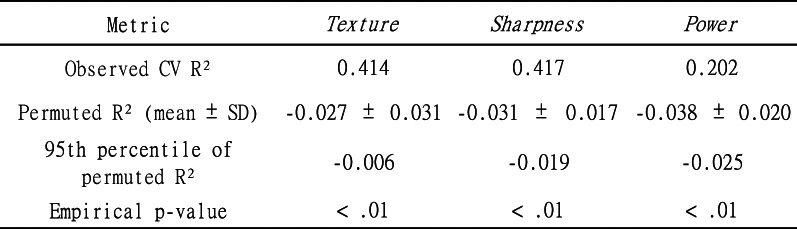 Figure 18
Peer Reviews
No public reviews on file for this paper yet. If you reviewed it on a platform where reviews are public (OpenReview, ICLR, NeurIPS, ICML), you can paste yours below so the community can read it here.
Videos
No videos yet. Explain this paper in a talk, walkthrough, or lecture? Add one.
Taxonomy
TopicsMusic Technology and Sound Studies · Neuroscience and Music Perception · Music and Audio Processing