Machine-learning detection and variability of mesospheric frontal waves observed by VIIRS day/night band
Yuta Hozumi, Jia Yue, Seraj Al Mahmud Mostafa, Chenxi Wang, Jianwu Wang, Sanjay Purushotham, Steven D. Miller

TL;DR
This paper uses machine learning to detect and analyze mesospheric frontal waves in satellite data, revealing their decreasing frequency and preferred locations.
Contribution
A novel YOLOv3-based machine learning model is developed to detect mesospheric frontal waves in VIIRS DNB satellite data.
Findings
The YOLOv3 model achieved 83.19% average precision in detecting frontal wave events.
Frontal wave occurrences have decreased from ~15 per month in 2012 to ~5 in 2022.
Frontal waves are most frequent at equatorial latitudes and winter mid-latitudes.
Abstract
Frontal waves, characterized by sharp boundaries of airglow jump accompanied by following undulations, were detected using machine learning techniques, and their variability was examined. Frontal waves are thought to be manifestations of ducted waves called mesospheric bores or “wall” waves (large-amplitude gravity waves). The YOLOv3 machine learning model, short for “You Only Look Once version 3,” was trained to detect frontal wave events in Day/Night Band (DNB) data from the Visible/Infrared Imaging Radiometer Suite (VIIRS) onboard the Suomi National Polar-orbiting Partnership (Suomi NPP) satellite. The YOLOv3 detector was trained with DNB images, including manually labeled objects of 756 unique frontal waves. The model achieved 83.19% of average precision (AP) for frontal wave event detection during the testing phase. Utilizing the trained model, 1,150 frontal wave events were…
Genes, proteins, chemicals, diseases, species, mutations and cell lines named across the full text — each resolved to its canonical identifier and authoritative record.
Click any figure to enlarge with its caption.
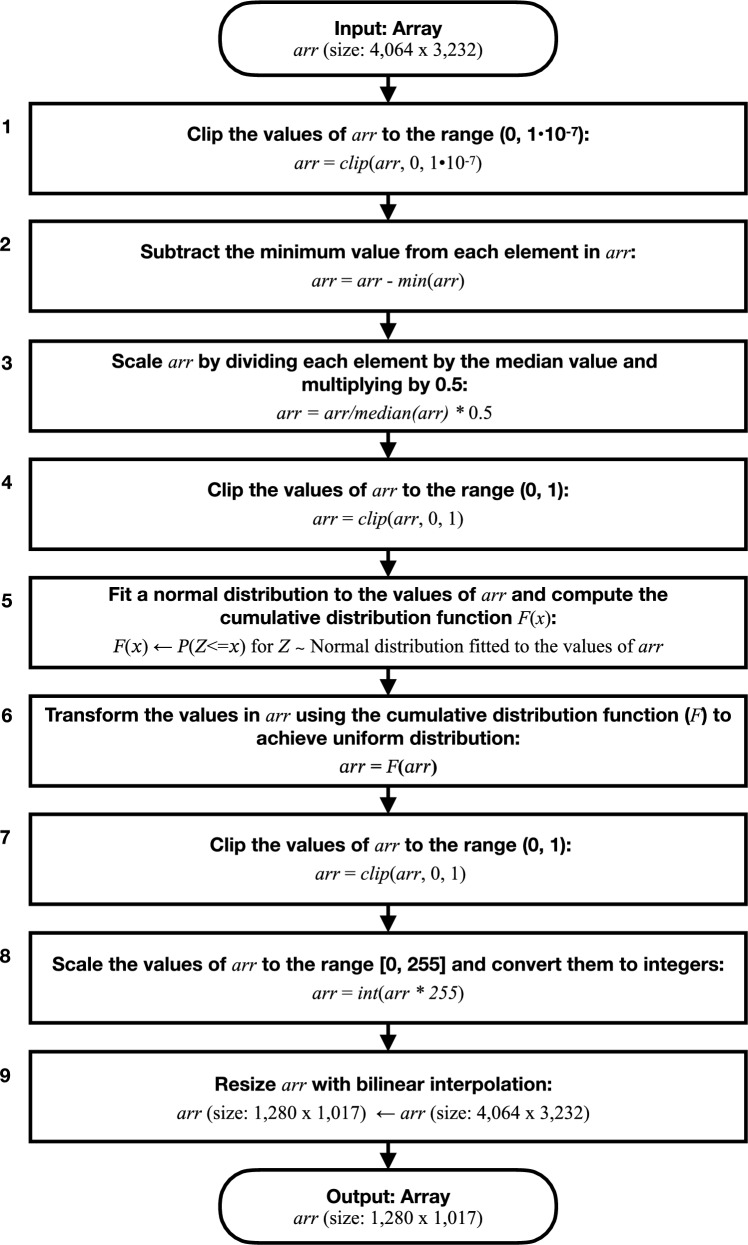 Figure 1
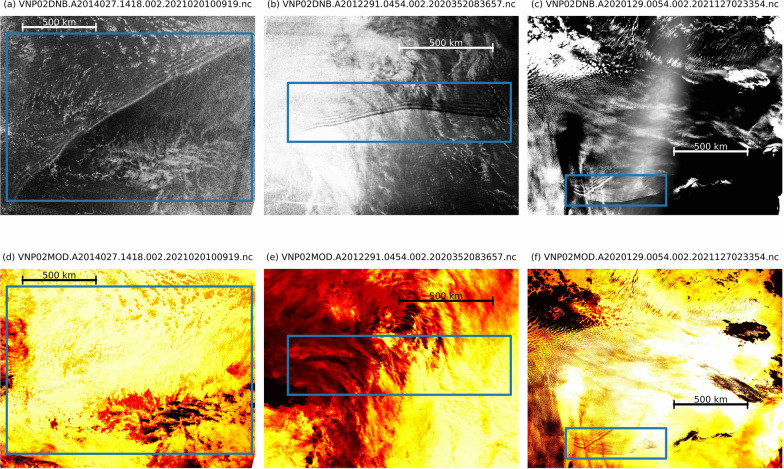 Figure 2
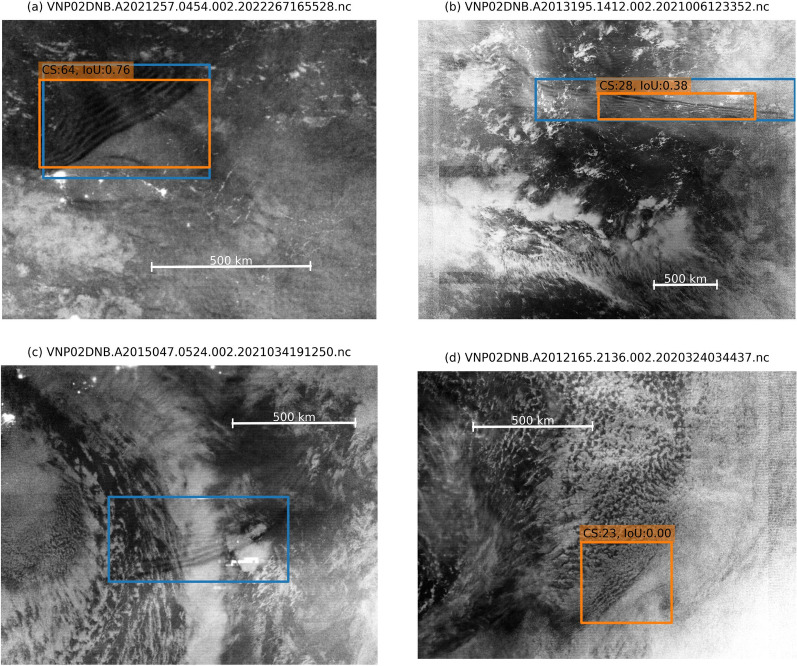 Figure 3
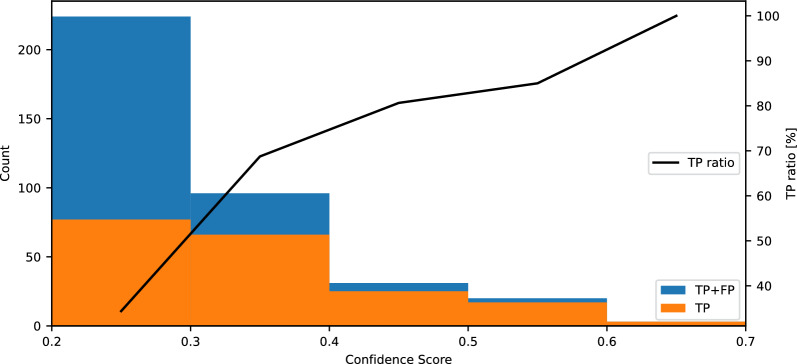 Figure 4
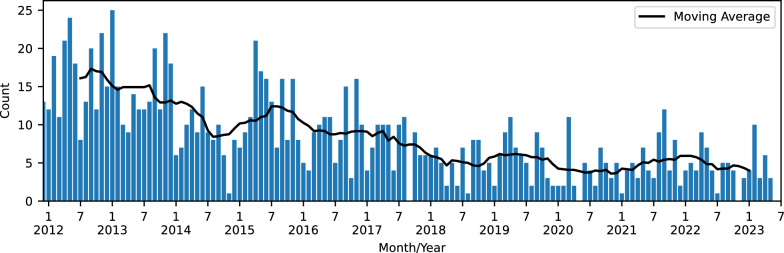 Figure 5
 Figure 6
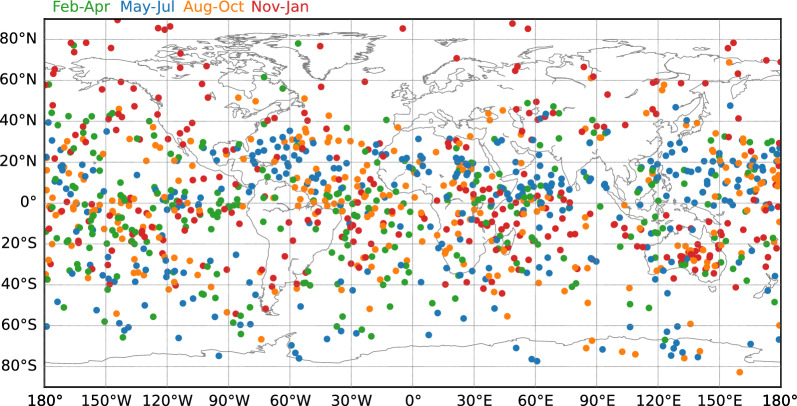 Figure 7
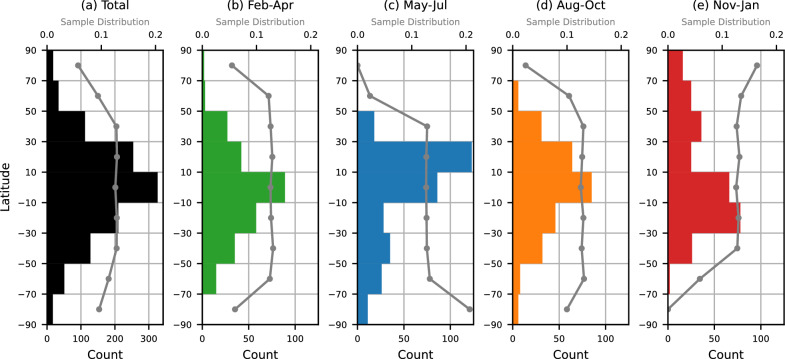 Figure 8
 Figure 9
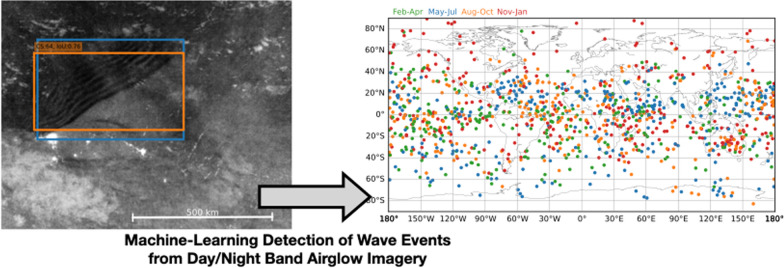 Figure 10
Peer Reviews
No public reviews on file for this paper yet. If you reviewed it on a platform where reviews are public (OpenReview, ICLR, NeurIPS, ICML), you can paste yours below so the community can read it here.
Videos
No videos yet. Explain this paper in a talk, walkthrough, or lecture? Add one.
Taxonomy
TopicsIonosphere and magnetosphere dynamics · Electromagnetic Fields and Biological Effects · Earthquake Detection and Analysis