Impact of perceived environmental legacy on residents’ pro-environmental behaviors in large-scale sport events: a moderation analysis of authenticity
Jiexin Chen, Ji Wu, Yigang Wu

TL;DR
Residents are more likely to adopt pro-environmental behaviors after large events if they perceive authentic and culturally fitting environmental legacies.
Contribution
This study identifies perceived fit and authenticity as key psychological mechanisms linking perceived environmental legacy to pro-environmental behaviors.
Findings
Perceived fit fully mediates the relationship between perceived environmental legacy and pro-environmental behaviors.
Authenticity strengthens the direct link between perceived environmental legacy and pro-environmental behaviors.
Environmental strategies should prioritize authenticity and cultural resonance to maximize behavioral impacts.
Abstract
Prior research has demonstrated that residents' perceptions of environmental legacy (PEL) following large-scale events yield several positive outcomes, such as subjective well-being and support of future events. However, the role of PEL in shaping residents' pro-environmental behaviors (PEBs) remains underexplored. Drawing on the Norm Activation Model, this study investigated how PEL is associated with PEBs through the mediation of perceived fit (PFT) and the moderation of authenticity evaluation (AUTH). Data were collected via an online survey administered to 823 residents of Hangzhou, one year after the 2023 Hangzhou Asian Games. Structural equation modeling revealed that PFT fully mediated the relationship between PEL and PEBs. Latent moderated structural modeling showed that AUTH strengthened the direct relationship between PEL and PEBs. The study advances event legacy literature…
Genes, proteins, chemicals, diseases, species, mutations and cell lines named across the full text — each resolved to its canonical identifier and authoritative record.
Click any figure to enlarge with its caption.
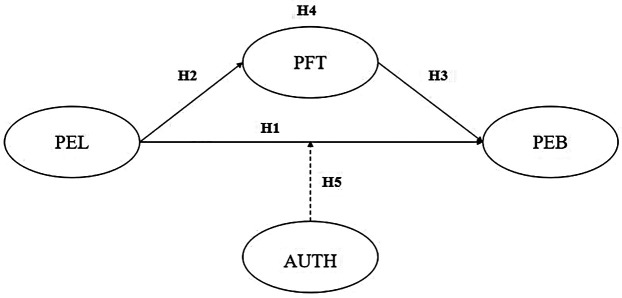 Figure 1
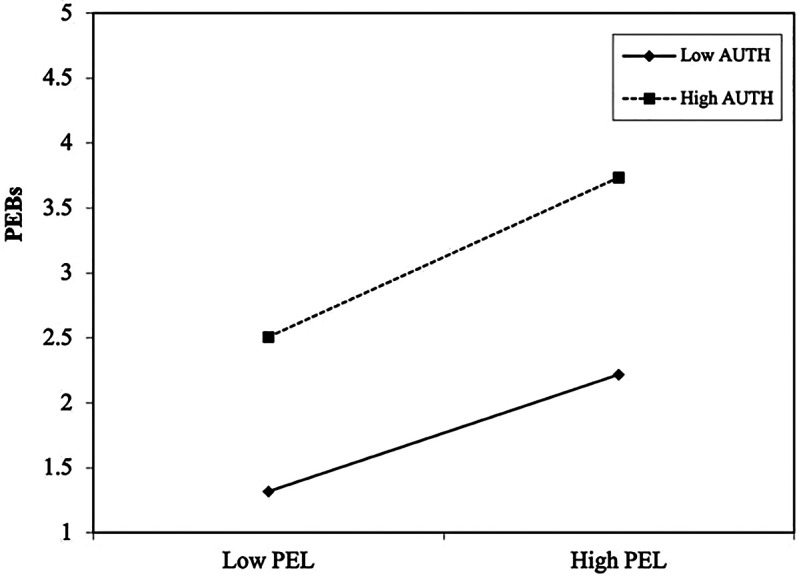 Figure 2
Peer Reviews
No public reviews on file for this paper yet. If you reviewed it on a platform where reviews are public (OpenReview, ICLR, NeurIPS, ICML), you can paste yours below so the community can read it here.
Videos
No videos yet. Explain this paper in a talk, walkthrough, or lecture? Add one.
Taxonomy
TopicsSport and Mega-Event Impacts · Diverse Aspects of Tourism Research · Recreation, Leisure, Wilderness Management