Breaking the treatment dilemma of Schatzker IV fractures: finite element analysis validates hybrid single-plate with tension screw fixation for synergistic optimization of stability and minimally invasive outcomes
Mingxiang Liu, Zulong Zhou, Chaofan Wu, Chaoqun Wu, Run Fang, Chengnan Zhang, Lingchao Kong, Rende Ning

TL;DR
This study uses finite element analysis to find a better treatment for Schatzker IV tibial fractures by combining a single plate with tension screws, offering stability and reduced invasiveness.
Contribution
The study introduces a hybrid fixation method combining a single plate with tension screws as a novel solution for Schatzker IV fractures.
Findings
Hybrid fixation with a medial plate and tension screws showed the lowest implant stress compared to single-plate and double-plate methods.
Hybrid fixation provided a more uniform stress distribution in the tibial shaft, similar to double-plate fixation but with less invasiveness.
Type IV-B fractures benefited more from posteromedial tension screws, reducing stress in fracture fragments.
Abstract
The core challenge in treating Schatzker type IV tibial plateau fractures lies in balancing mechanical stability with minimally invasive techniques. Traditional double-plate fixation carries a high risk of soft tissue complications, while single-plate fixation provides insufficient mechanical strength. This study aims to systematically evaluate and compare the biomechanical performance of five internal fixation strategies for Schatzker type IV-A and IV-B fractures using finite element analysis (FEA), exploring whether optimized fixation configurations can achieve synergy between minimally invasive treatment and stability. Three-dimensional models of Schatzker type IV-A and IV-B fractures were constructed based on CT data from a 43-year-old male patient. Soft tissue models including ligaments and menisci were established. Five fixation methods were simulated: isolated medial plate…
Genes, proteins, chemicals, diseases, species, mutations and cell lines named across the full text — each resolved to its canonical identifier and authoritative record.
Click any figure to enlarge with its caption.
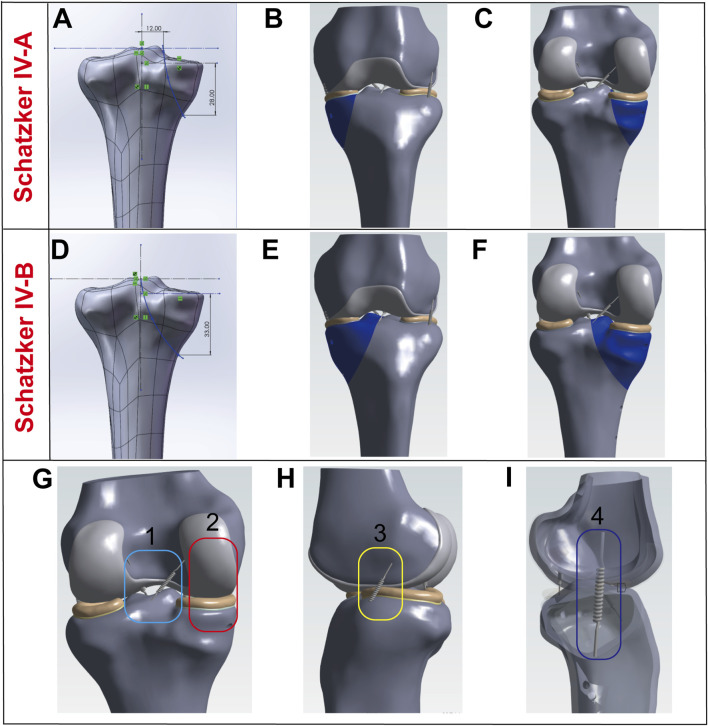 Figure 1
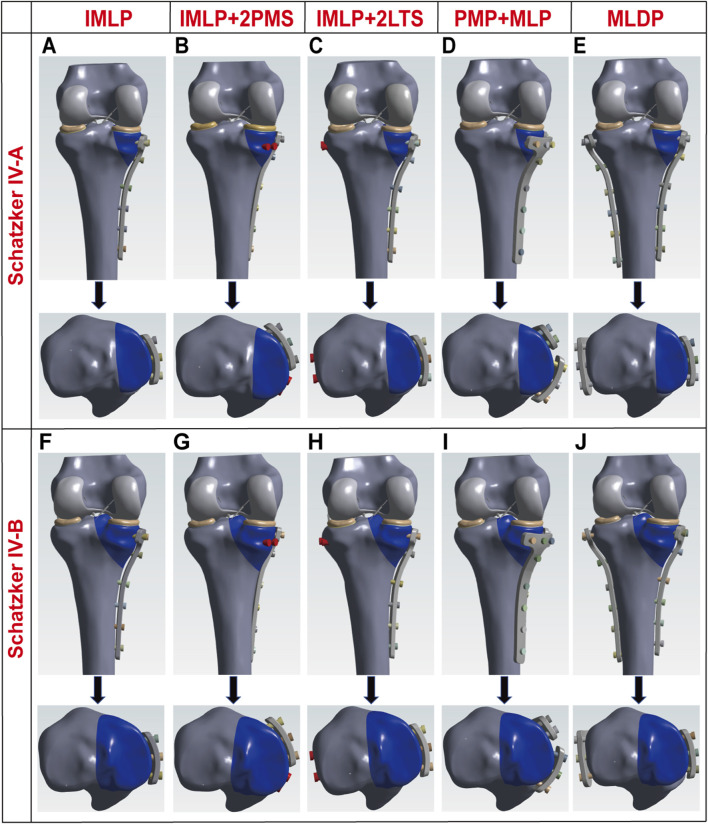 Figure 2
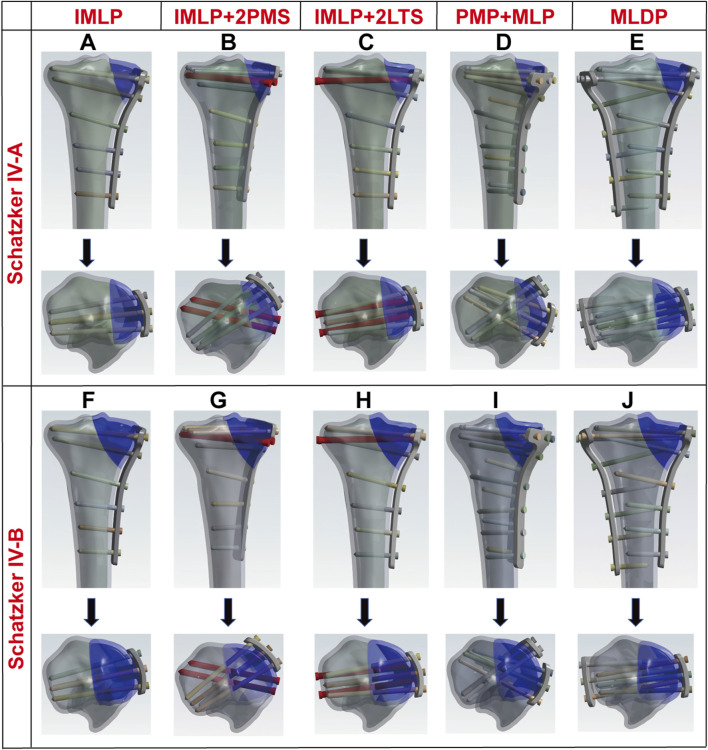 Figure 3
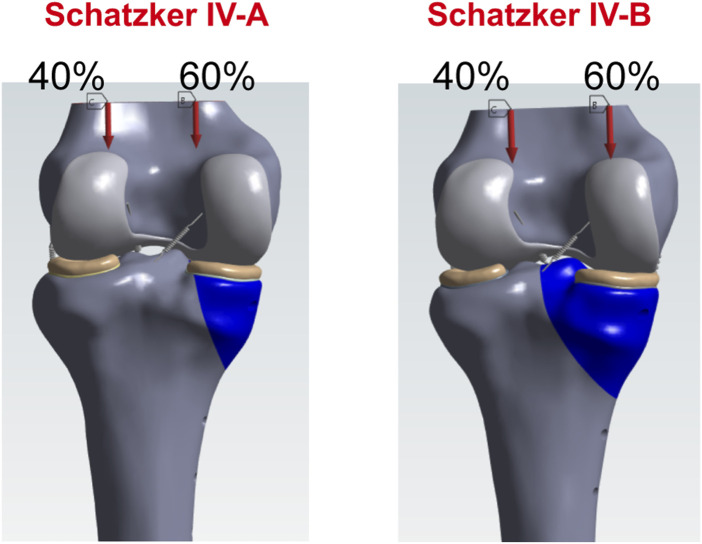 Figure 4
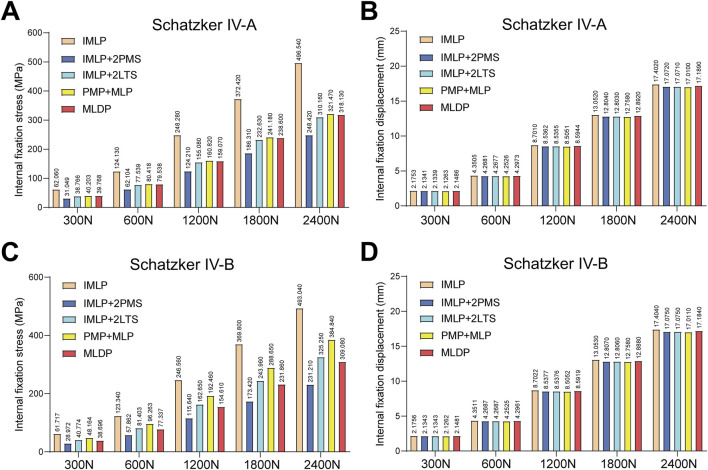 Figure 5
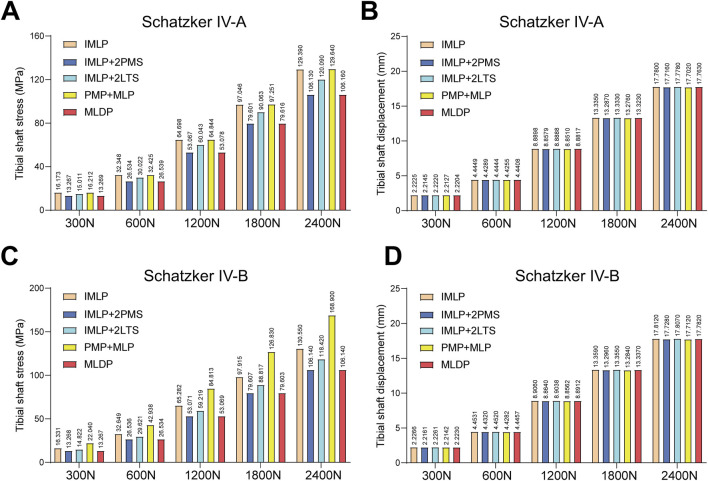 Figure 6
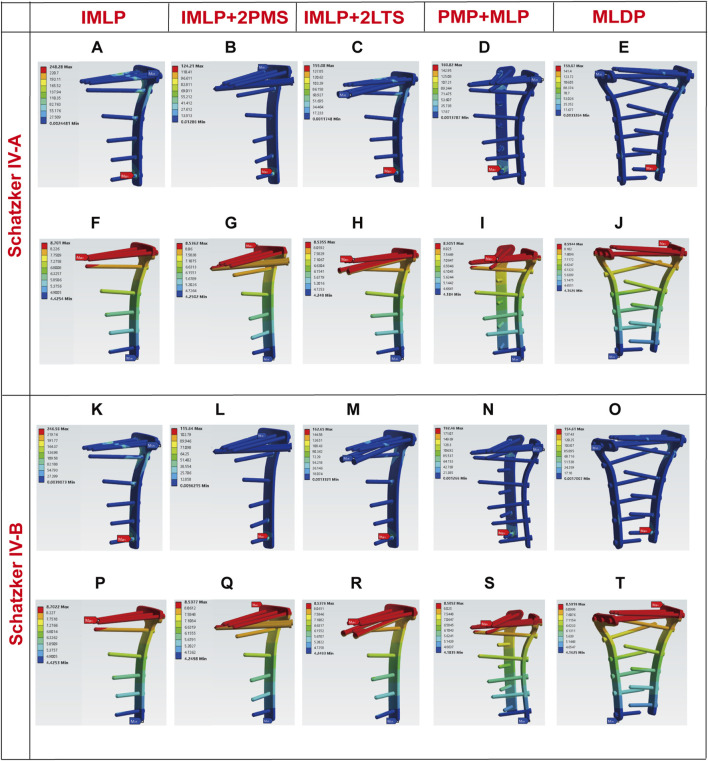 Figure 7
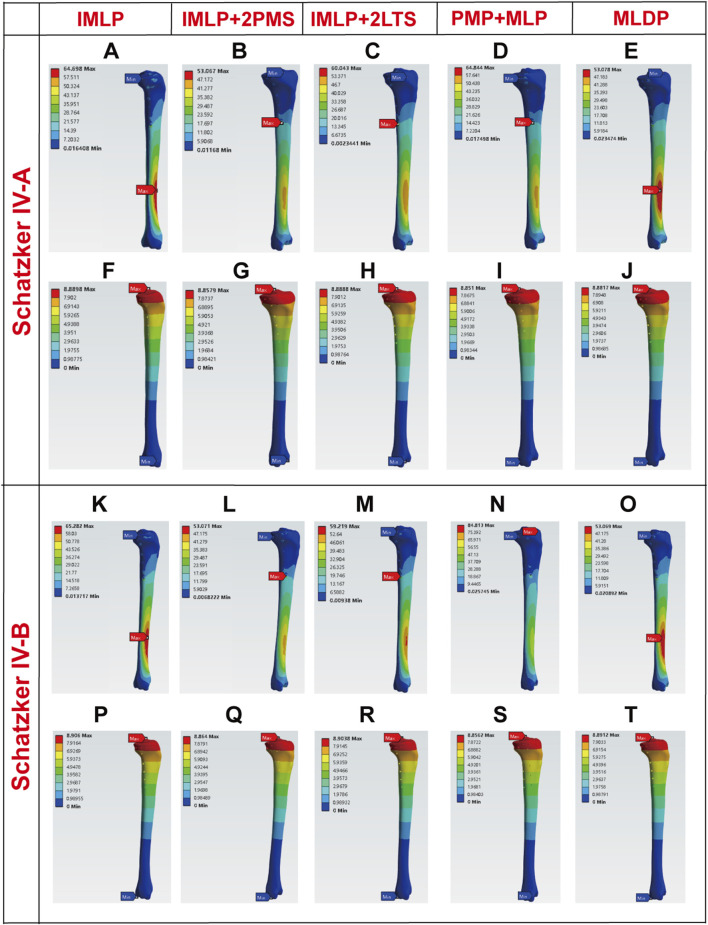 Figure 8
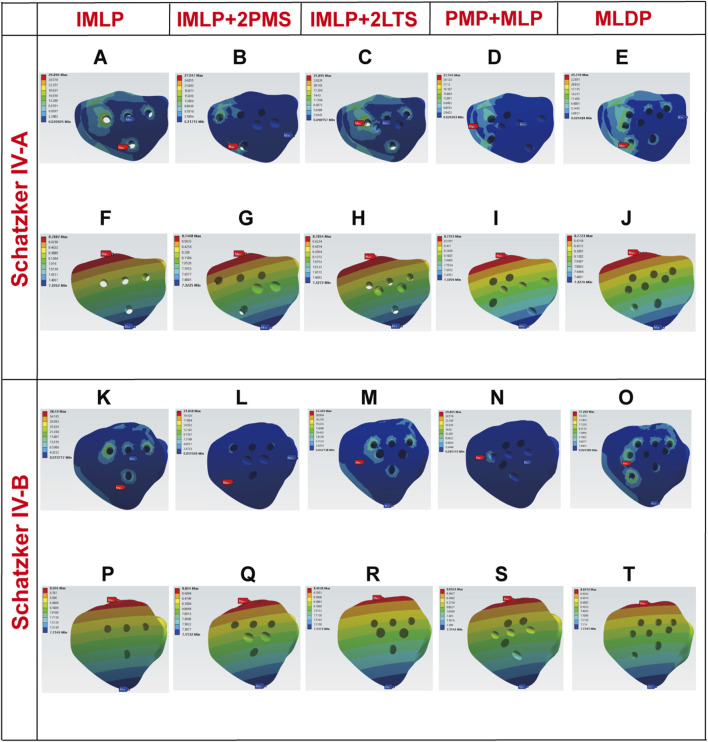 Figure 9
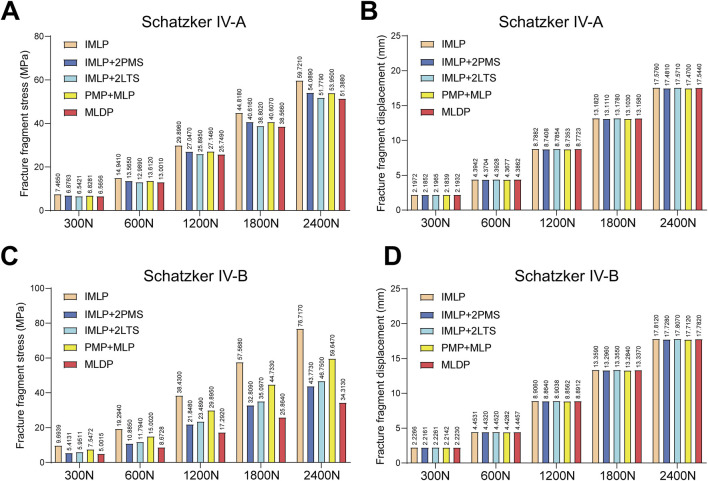 Figure 10
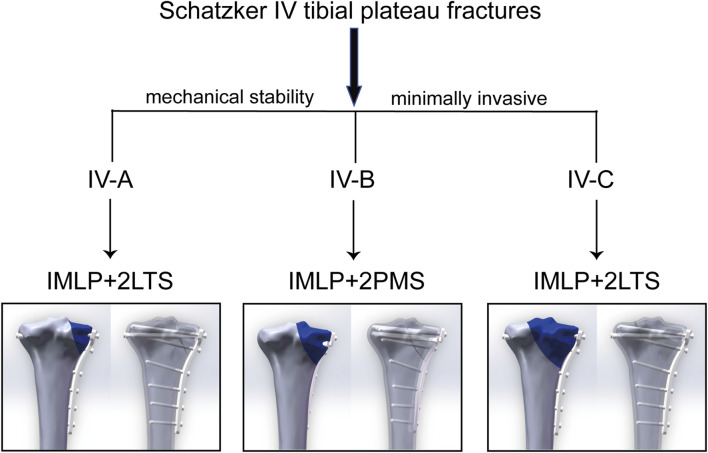 Figure 11
Peer Reviews
No public reviews on file for this paper yet. If you reviewed it on a platform where reviews are public (OpenReview, ICLR, NeurIPS, ICML), you can paste yours below so the community can read it here.
Videos
No videos yet. Explain this paper in a talk, walkthrough, or lecture? Add one.
Taxonomy
TopicsFacial Trauma and Fracture Management · Bone fractures and treatments · Orthopedic Surgery and Rehabilitation