Single-cell and spatial transcriptomics integration reveals FAM49B promotes tumor-associated macrophages polarization in colorectal cancer via the MK pathway
Tianyu Liu, Quchen Ding, Jin Gou, Chen Lu, Xingming Lu, Jiatong Chen, Yiming E., Lianhong Li, Chongguo Zhang, Xiaojuan Zhu, Chunzhao Yu, Xiagang Luo

TL;DR
This study finds that FAM49B promotes tumor-associated macrophage polarization in colorectal cancer through the MDK–NCL pathway, contributing to an immunosuppressive tumor environment.
Contribution
The novel contribution is identifying the FAM49B–MDK–NCL pathway as a driver of macrophage polarization in colorectal cancer metastasis.
Findings
High_FAM49B_EP epithelial cells are linked to poor prognosis and MYC signaling in CRC.
TAMs in primary tumors and metastases show distinct polarization patterns (M1-like CXCL3+ vs. M2-like SPP1+).
FAM49B knockdown reduces MDK expression and disrupts ECM–receptor interactions in TAMs.
Abstract
FAM49B has been shown to promote proliferation and metastasis of colorectal cancer (CRC) by stabilizing MYC through phosphorylation of NEK9; however, its role in shaping the immune suppressive tumor microenvironment (TME), particularly in macrophage polarization, remains unclear. We applied multi-omics approaches to study CRC by integrating 33 scRNA-seq samples from 16 CRC patients, 2 paired spatial transcriptomics (ST) samples, and bulk RNA data to characterize malignant epithelial cells (High_FAM49B_EP) and tumor-associated macrophages (TAMs). Functional validation of FAM49B was conducted via knockdown experiments and proteomics analysis. A High_FAM49B_EP subpopulation was identified in primary tumors (PT) and liver metastases (LM), exhibiting elevated MYC signaling and association with poor prognosis. TAMs showed spatial heterogeneity: M1-like CXCL3+ TAMs predominated in PT,…
Genes, proteins, chemicals, diseases, species, mutations and cell lines named across the full text — each resolved to its canonical identifier and authoritative record.
Click any figure to enlarge with its caption.
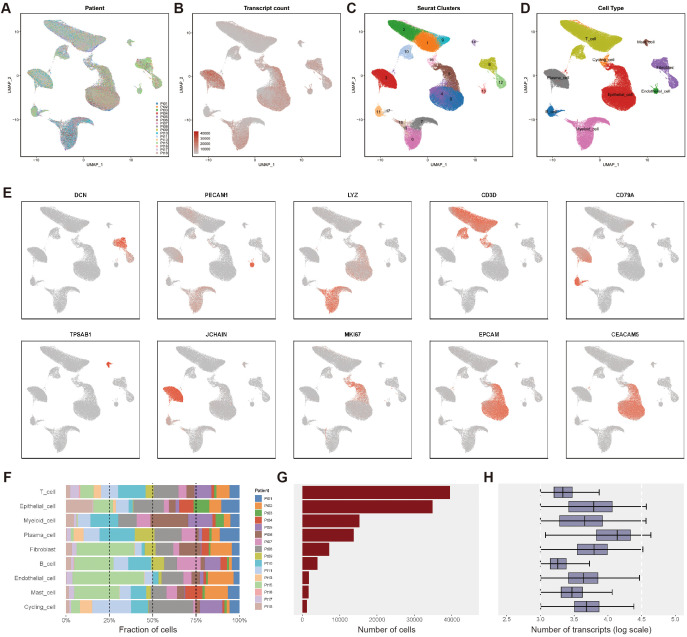 Figure 1
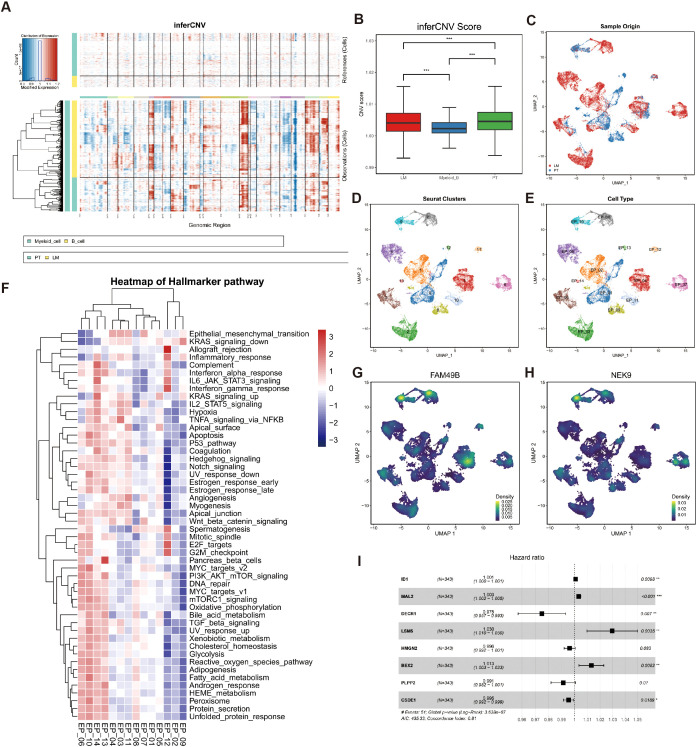 Figure 2
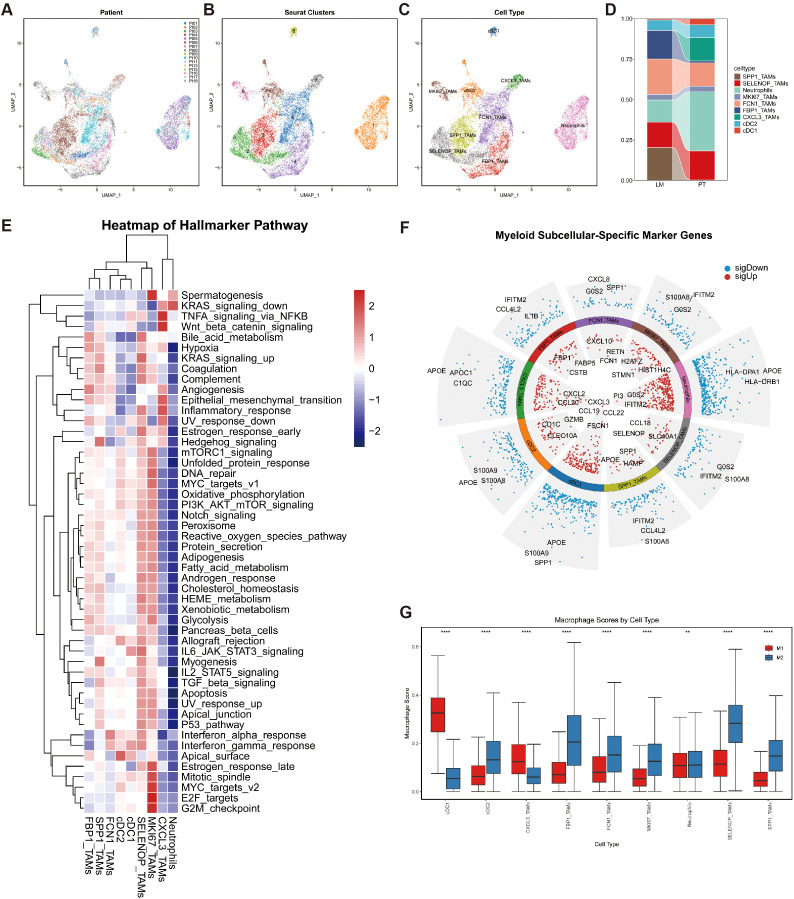 Figure 3
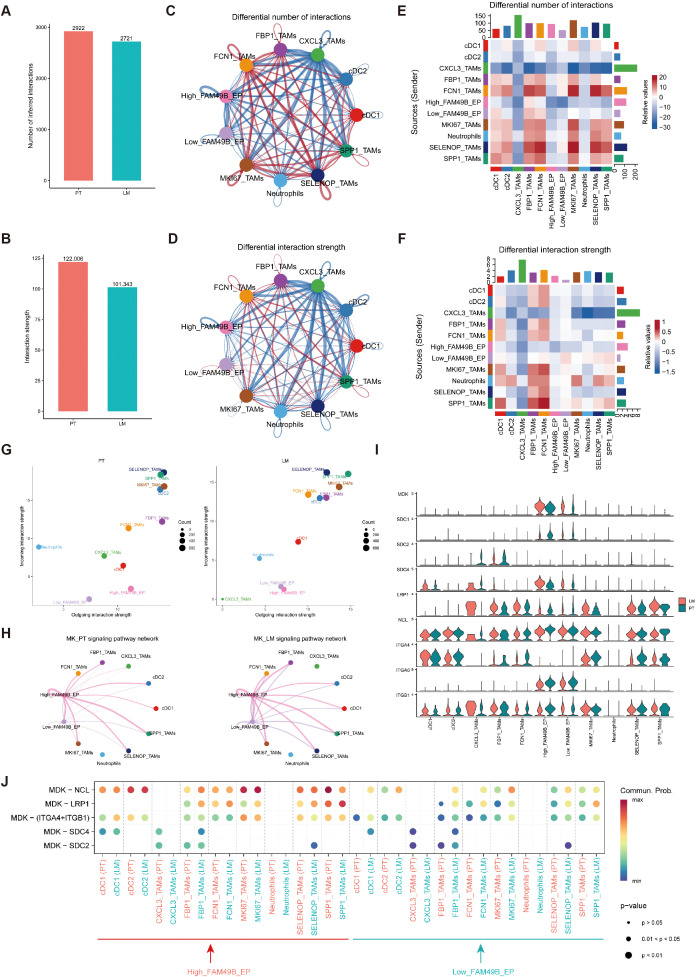 Figure 4
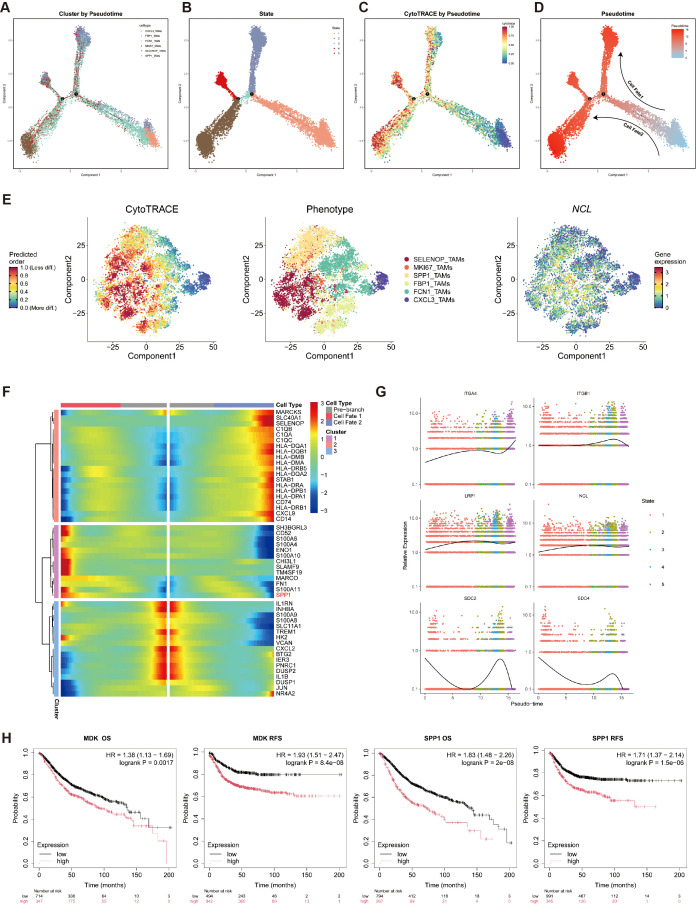 Figure 5
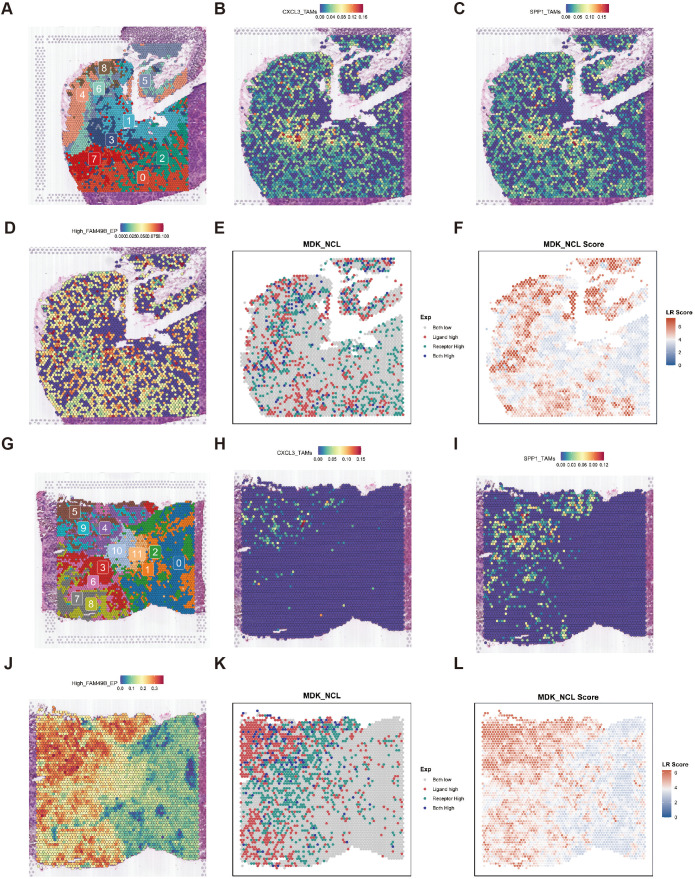 Figure 6
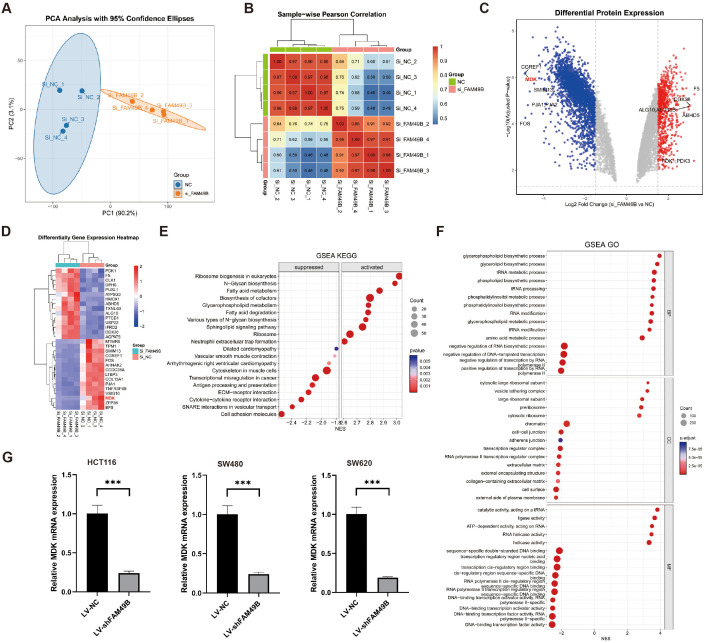 Figure 7
Peer Reviews
No public reviews on file for this paper yet. If you reviewed it on a platform where reviews are public (OpenReview, ICLR, NeurIPS, ICML), you can paste yours below so the community can read it here.
Videos
No videos yet. Explain this paper in a talk, walkthrough, or lecture? Add one.
Taxonomy
TopicsImmune cells in cancer · Ferroptosis and cancer prognosis · Phagocytosis and Immune Regulation