Intrinsic host range of the root-knot nematode Meloidogyne enterolobii and virulent M. incognita populations
Hemanth Konigopal, Maria R. Finckh, Marc Bailly-Bechet, Etienne G.J. Danchin, Sebastian Kiewnick

TL;DR
This study identifies which plants are vulnerable to the root-knot nematode M. enterolobii and compares its effects with another nematode, M. incognita, to help develop better crop management strategies.
Contribution
The first comparative study of multiple M. enterolobii populations from different regions on a wide range of plant species.
Findings
Tomato, eggplant, pepper, and others were good hosts for all tested nematode populations.
M. enterolobii populations varied in reproduction and damage on carrot, cotton, and other crops.
Three M. enterolobii populations caused more plant damage despite lower reproduction rates.
Abstract
The root-knot nematode Meloidogyne enterolobii poses a significant challenge in agricultural production systems due to its damage potential and the ability to overcome plant resistance genes, which are effective against other root-knot nematode species. With little plant resistance available, few nematicides still allowed, crop rotation with non- or poor host plants is the only option for managing M. enterolobii. As virulence and pathogenicity can vary between Meloidogyne populations, determination of the intrinsic host range and pathogenicity of M. enterolobii populations is crucial for the implementation of effective management strategies in the future. In greenhouse experiments, the host range and pathogenicity of seven M. enterolobii populations were tested on 19 plant species. In addition, two populations of M. incognita, virulent against tomato Mi-1resistance gene, were included…
Genes, proteins, chemicals, diseases, species, mutations and cell lines named across the full text — each resolved to its canonical identifier and authoritative record.
Click any figure to enlarge with its caption.
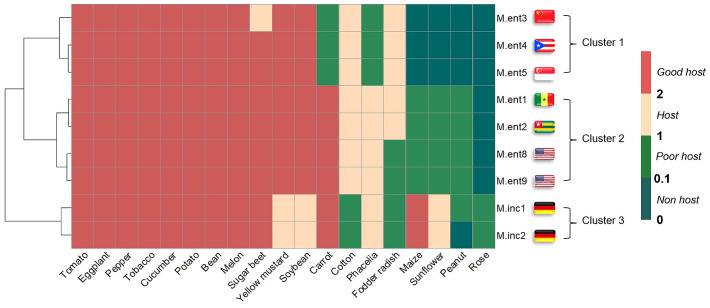 Figure 1
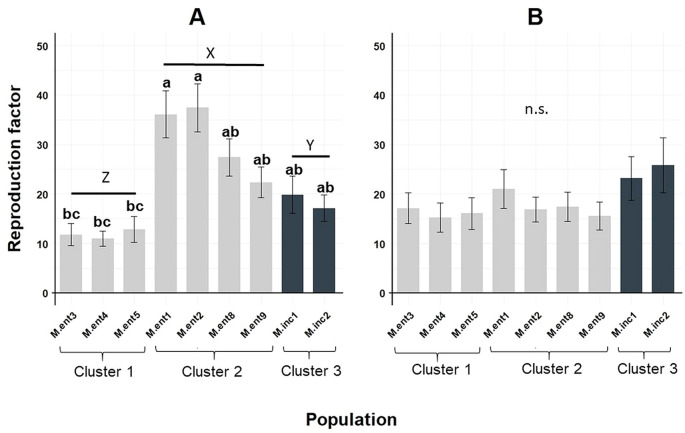 Figure 2
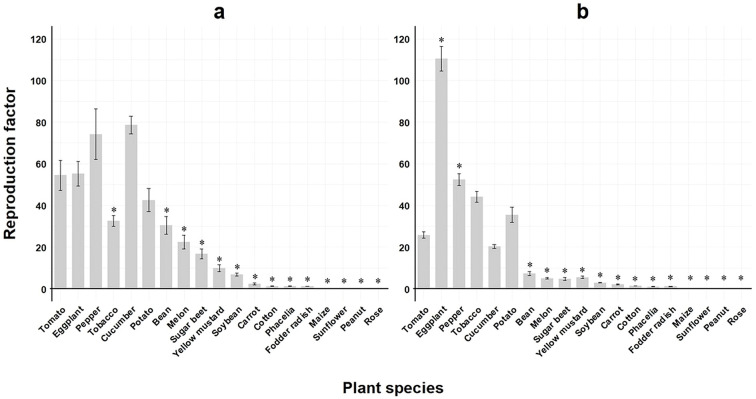 Figure 3
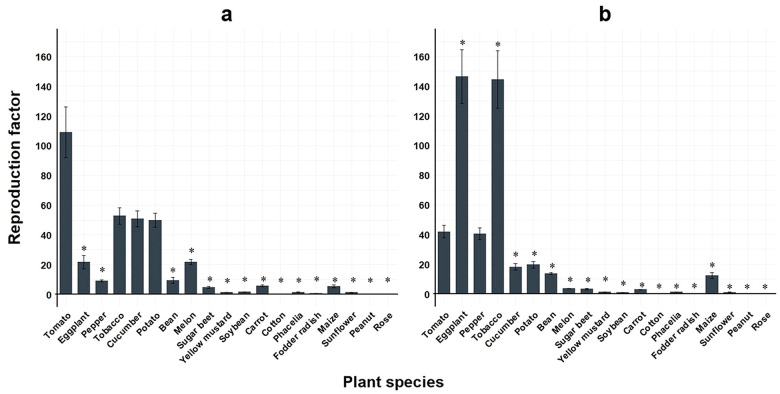 Figure 4
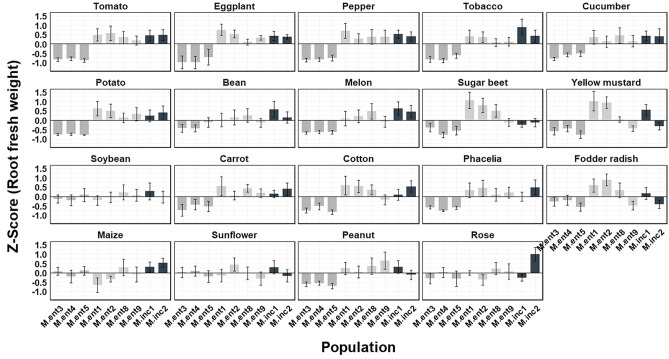 Figure 5
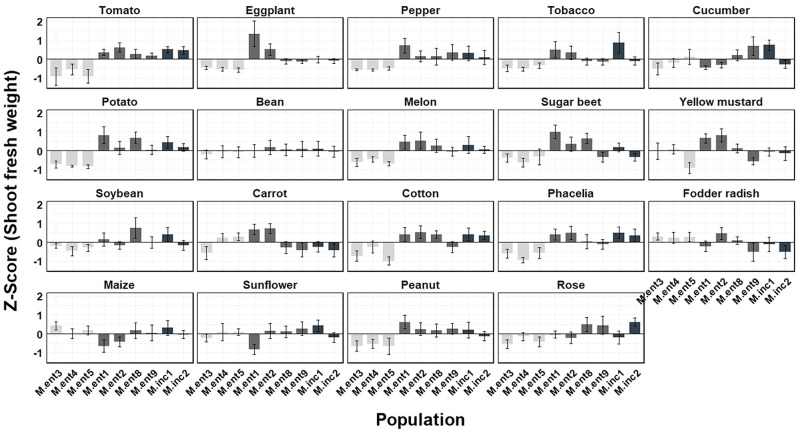 Figure 6
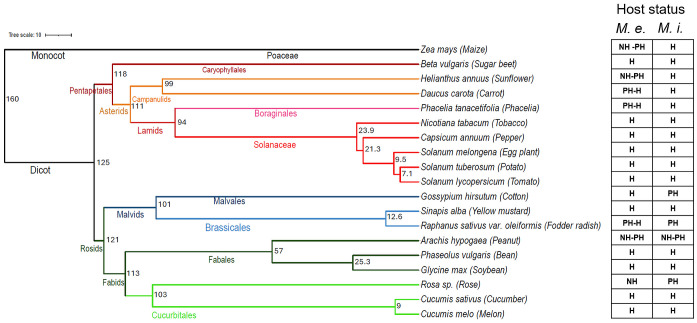 Figure 7
 Figure 8
 Figure 9
 Figure 10
Peer Reviews
No public reviews on file for this paper yet. If you reviewed it on a platform where reviews are public (OpenReview, ICLR, NeurIPS, ICML), you can paste yours below so the community can read it here.
Videos
No videos yet. Explain this paper in a talk, walkthrough, or lecture? Add one.
Taxonomy
TopicsNematode management and characterization studies · Plant Disease Management Techniques · Phytochemistry and biological activities of Ficus species