Transcriptomic analysis of identical twins with different onset ages of adrenoleukodystrophy
Chuhua Fu, Qiuyu Su, Yinglian Chen, Yonghui Zhang, Yan Zhang, Ying Cao, Xinggang Wang, Zhiming Zhen, Chen Liu, Zhao Yang, Changlin Yin, Liang Tan

TL;DR
This study explores gene expression differences in identical twins with adrenoleukodystrophy to understand why the disease starts at different ages.
Contribution
The study identifies candidate genes and biological processes linked to the onset and severity of ALD using transcriptomic data from monozygotic twins.
Findings
Seven genes (C4BPA, TPBG, CEP112, CHST15, SMAD1, IL-26, LRRC69) were highlighted as important for ALD onset.
Ca2+ homeostasis and plasma membrane processes are implicated in ALD progression via gene enrichment analysis.
Expression pattern analysis confirmed the significance of selected DEG sets in ALD onset and severity.
Abstract
Adrenoleukodystrophy (ALD) is a rare X-linked neurogenetic disease caused by mutations in the ATP-binding cassette subfamily D member 1 (ABCD1) gene. Currently, the molecular mechanisms underlying the onset and severity of ALD remain unclear. Therefore, the aim of this study is to identify information on candidate genes associated with the onset and severity of ALD by transcriptome sequencing of whole blood samples from monozygotic twin families with the disease. The identification of differentially expressed genes (DEGs), set theory analysis, gene enrichment analysis, and classification statistics of expression trends have been executed to acquire potential candidate genes inducing the onset and severity of ALD in patients. The study cohort comprised eight individuals: two normal children, two pediatric twins with ALD, the twins’ mother, their adult uncle with ALD, the…
Genes, proteins, chemicals, diseases, species, mutations and cell lines named across the full text — each resolved to its canonical identifier and authoritative record.
Click any figure to enlarge with its caption.
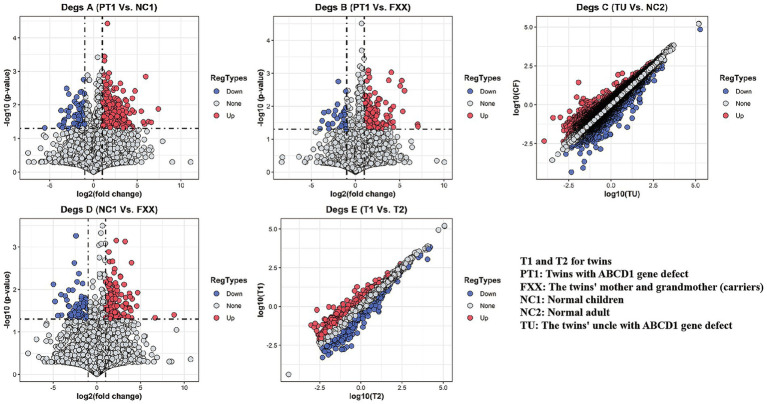 Figure 1
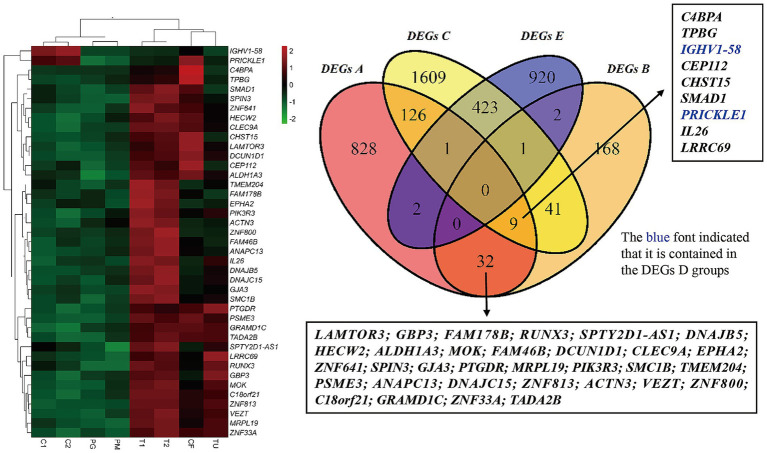 Figure 2
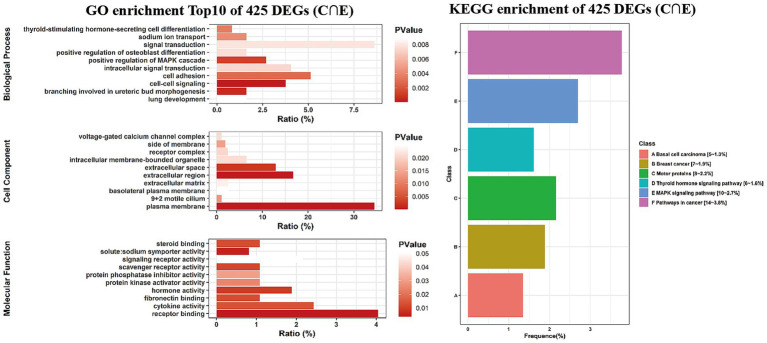 Figure 3
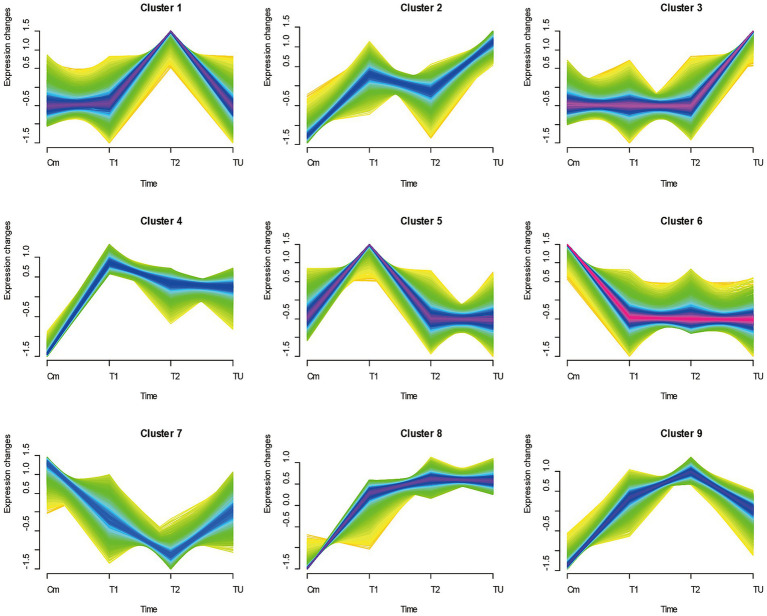 Figure 4
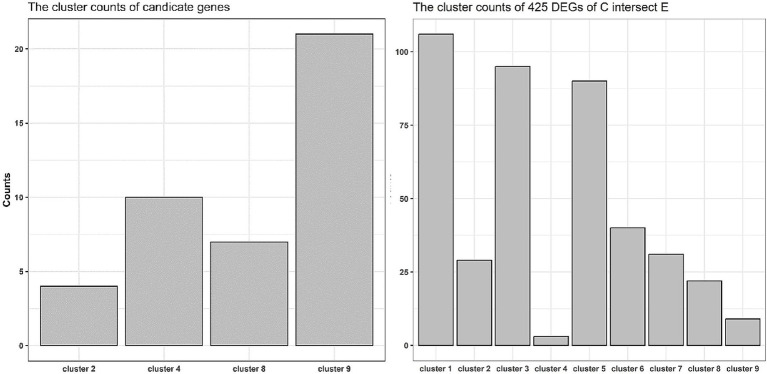 Figure 5
Peer Reviews
No public reviews on file for this paper yet. If you reviewed it on a platform where reviews are public (OpenReview, ICLR, NeurIPS, ICML), you can paste yours below so the community can read it here.
Videos
No videos yet. Explain this paper in a talk, walkthrough, or lecture? Add one.
Taxonomy
TopicsPeroxisome Proliferator-Activated Receptors · Caveolin-1 and cellular processes · Microbial metabolism and enzyme function