Death, taxes, and rhomboids: Understanding the ubiquitous roles of the rhomboid protein superfamily
Henry Sawczyc, Spyridon Kosteletos, Adam Lange

TL;DR
The rhomboid protein superfamily is ancient and widespread, with both active and inactive members playing key roles in cellular processes and disease.
Contribution
The paper highlights recent advances in understanding inactive rhomboid proteases and their roles in membrane protein quality control.
Findings
Rhomboid proteases are highly conserved and present in nearly all domains of life.
Inactive rhomboid members are now known to assist in the retrotranslocation of poor-quality membrane proteins.
The rhomboid fold's ability to thin the lipid bilayer is crucial for both active and inactive protease functions.
Abstract
The rhomboid superfamily is the largest family of membrane proteins, containing over 122,000 members (both active and inactive proteases) across nearly all domains of life. The high number of members, as well as the conserved roles undertaken by members, indicates an ancient origin and nature of function. However, the high structural similarity and multiple active homologs per species or cell have made specific functional characterization difficult. Where function is known, members appear to be not imminently necessary for life but organizational or housekeeping in nature. Historically, active protease members have been the focus of research because of the ease of biochemical characterization through monitoring proteolytic cleavage. The active members appear to possess conserved and specific recognition motifs for substrates, although no consensus sequence for substrates exists.…
Genes, proteins, chemicals, diseases, species, mutations and cell lines named across the full text — each resolved to its canonical identifier and authoritative record.
Click any figure to enlarge with its caption.
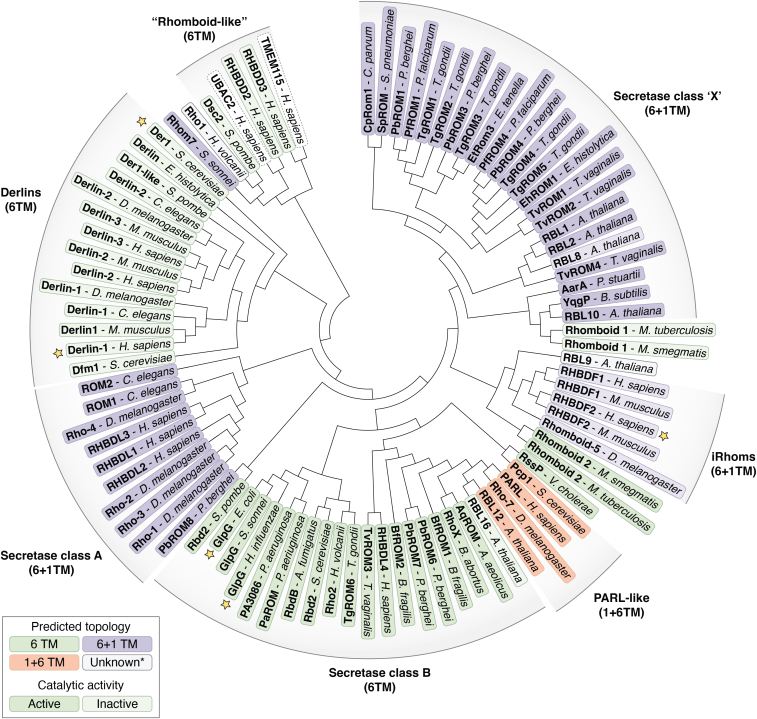 Figure 1
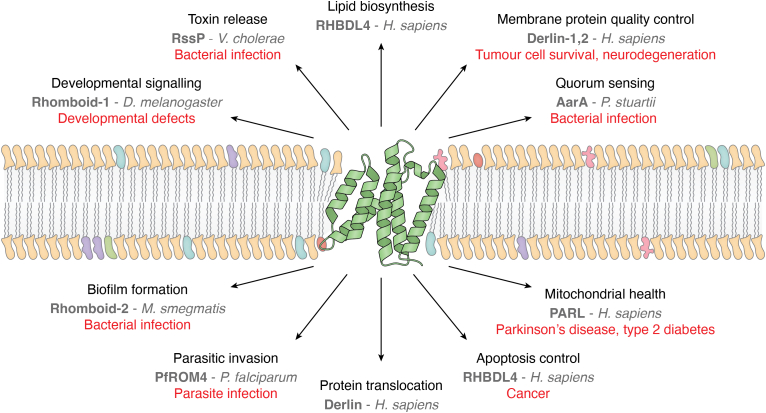 Figure 2
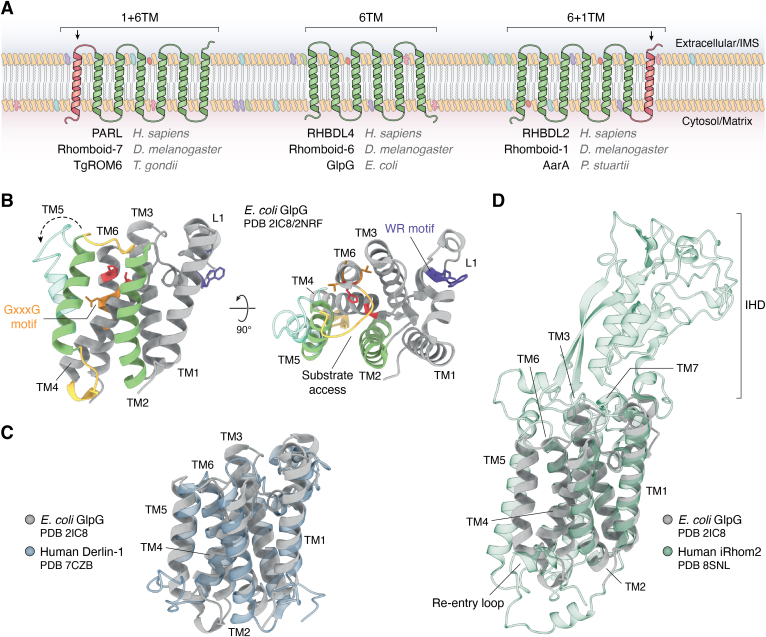 Figure 3
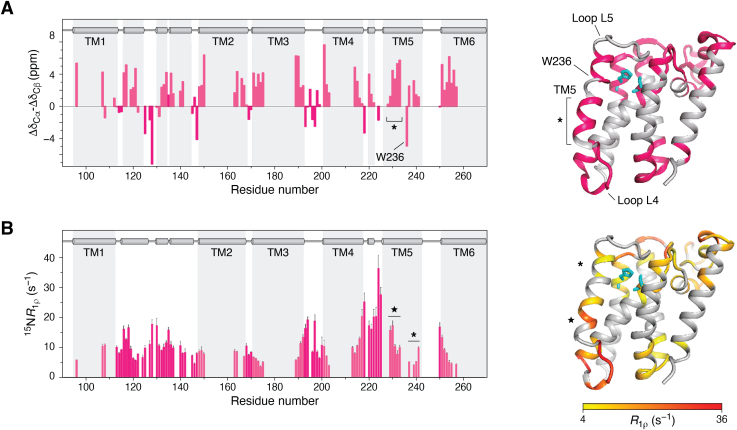 Figure 4
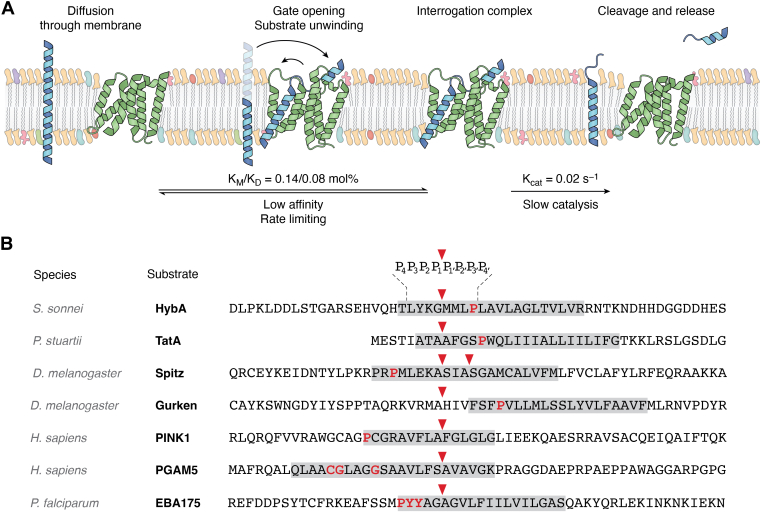 Figure 5
Peer Reviews
No public reviews on file for this paper yet. If you reviewed it on a platform where reviews are public (OpenReview, ICLR, NeurIPS, ICML), you can paste yours below so the community can read it here.
Videos
No videos yet. Explain this paper in a talk, walkthrough, or lecture? Add one.
Taxonomy
TopicsCorporate Taxation and Avoidance