Explainable machine learning model predicts response to adjuvant therapy after radical cystectomy in bladder cancer
Jian Hou, Yi Ding, Runlin Feng, Yumin Wang, Yanping Tao, Junxiong Li, Jingbo Qin, Pinyao Liang, Peng Gu, Xiaodong Liu

TL;DR
A machine learning model predicts how bladder cancer patients will respond to therapy after surgery, using factors like tumor features and molecular markers.
Contribution
The study introduces an explainable machine learning model combining clinical and molecular features to predict adjuvant therapy response in bladder cancer.
Findings
The random forest model achieved high predictive performance (AUC = 0.92 in training; 0.74 in testing).
Vascular invasion, perineural invasion, and PD-L1/HER2 expression were key predictors identified via SHAP analysis.
Decision curve analysis showed favorable net benefit within a moderate-risk threshold.
Abstract
Radical cystectomy (RC) is the standard treatment for muscle-invasive and select high-risk non–muscle-invasive bladder cancer. Despite definitive surgery, recurrence and progression remain major clinical concerns. Adjuvant chemotherapy and immunotherapy may improve outcomes, but therapeutic response varies due to tumor heterogeneity. Robust predictive models are needed to guide individualized treatment strategies. This study retrospectively analyzed bladder cancer patients undergoing RC. Data included tumor morphology (e.g., vascular and perineural invasion), demographic variables (e.g., age, sex), and molecular markers (e.g., PD-L1, HER2, GATA3). LASSO regression identified key features, followed by model development using nine machine learning algorithms, including XGBoost and LightGBM. Model performance was assessed via area under the ROC curve (AUC), and Shapley Additive…
Genes, proteins, chemicals, diseases, species, mutations and cell lines named across the full text — each resolved to its canonical identifier and authoritative record.
Click any figure to enlarge with its caption.
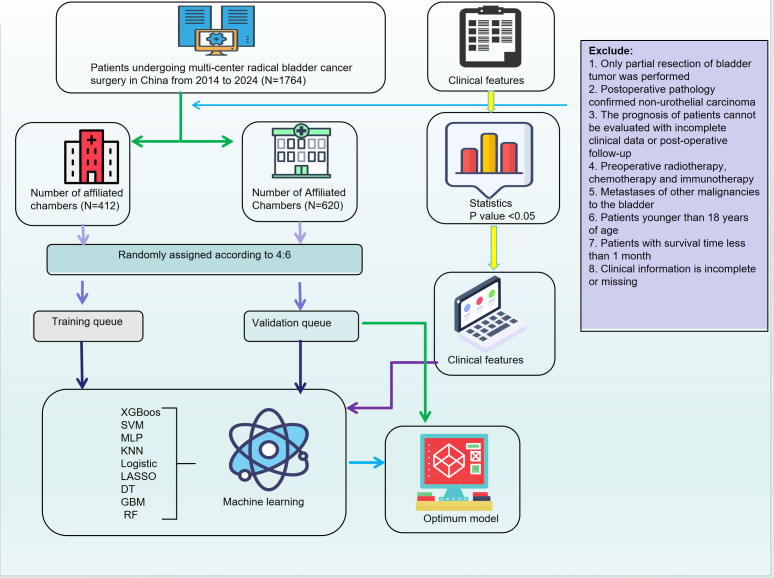 Figure 1
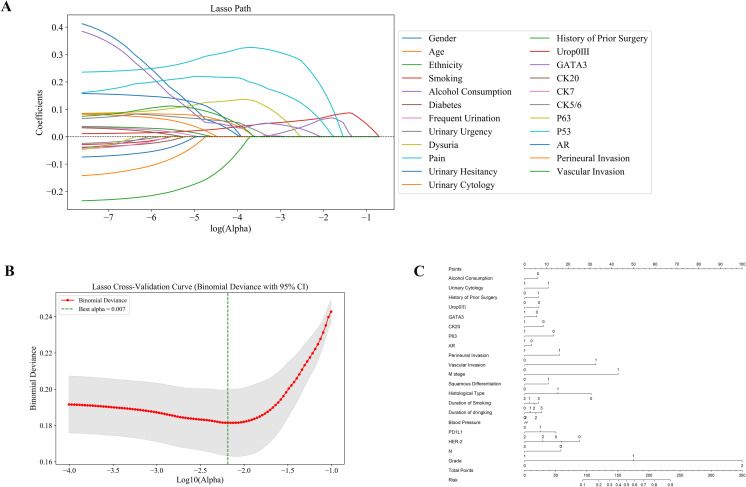 Figure 2
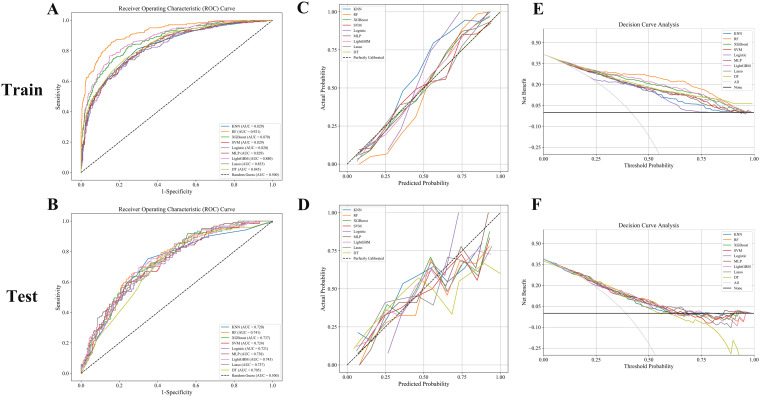 Figure 3
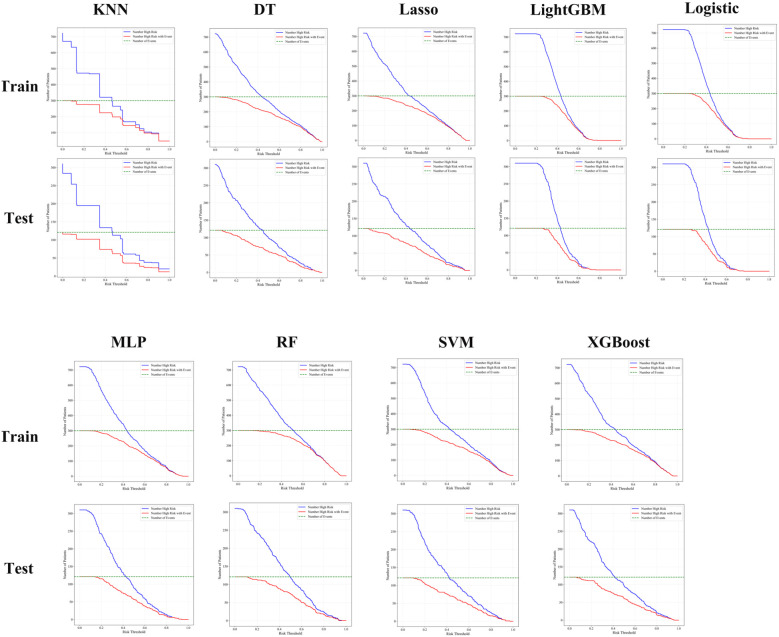 Figure 4
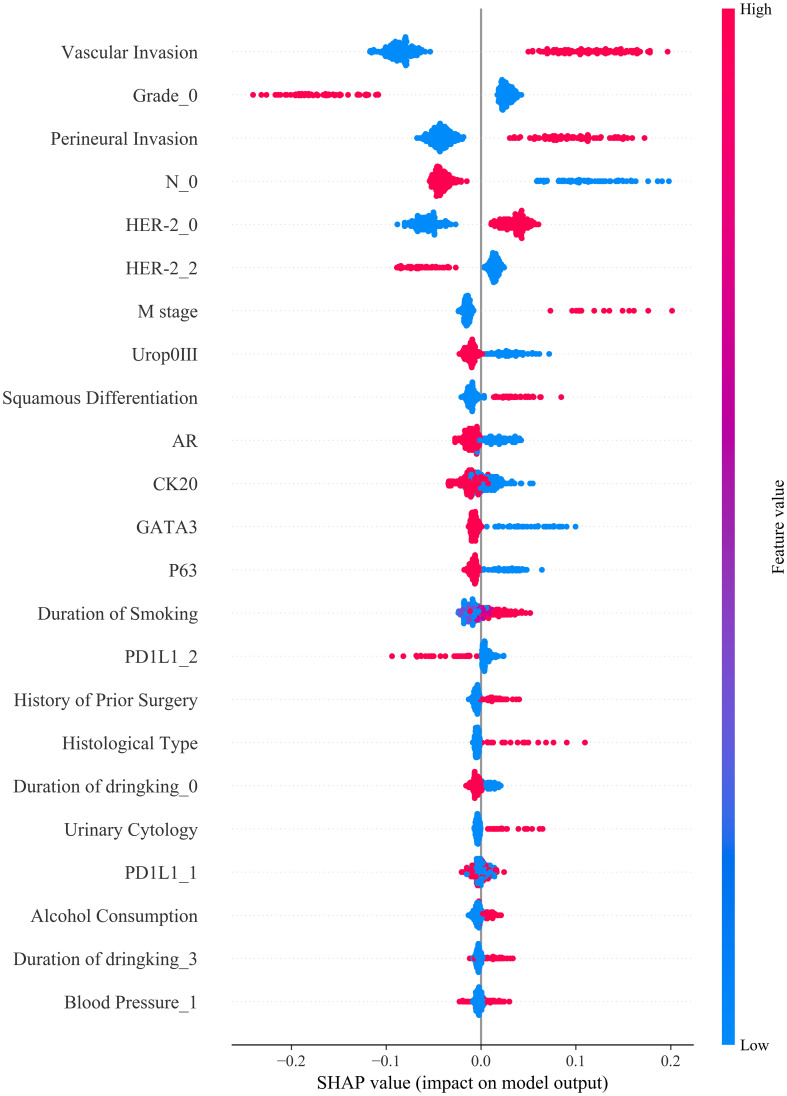 Figure 5
Peer Reviews
No public reviews on file for this paper yet. If you reviewed it on a platform where reviews are public (OpenReview, ICLR, NeurIPS, ICML), you can paste yours below so the community can read it here.
Videos
No videos yet. Explain this paper in a talk, walkthrough, or lecture? Add one.
Taxonomy
TopicsBladder and Urothelial Cancer Treatments · Urinary Tract Infections Management · Ferroptosis and cancer prognosis