Peritoneovenous Shunting to Manage Chylous Ascites Following Liver Resection for Cholangiocarcinoma: A Case Report
Mizuki Nakajima, Kuniya Tanaka, Sae Morioka, Akihiro Nakamura, Kenichi Matsuo, Yuki Takahashi

TL;DR
A patient developed chylous ascites after liver surgery for cholangiocarcinoma and was successfully treated with a peritoneovenous shunt when conservative methods failed.
Contribution
This case report highlights peritoneovenous shunting as an effective treatment for refractory chylous ascites following liver resection.
Findings
Chylous ascites after liver resection can be managed with peritoneovenous shunting when conservative therapies fail.
The patient's clinical status improved after shunting with no major complications.
Conservative measures like dietary changes and octreotide were insufficient for long-term resolution.
Abstract
Liver resection has rarely been reported as a cause of chylous ascites. Such ascites, consisting mainly of hepatic lymph, is usually caused by injury to the lymphatic system between the hepatic hilum and the hepatoduodenal ligament. We report a patient who developed chylous ascites after liver resection and required a peritoneovenous shunt. An 80-year-old man with a liver tumor diagnosed as cholangiocarcinoma underwent an extended right hemihepatectomy with lymphadenectomy following right portal vein embolization. Postoperatively, he developed chylous ascites that resolved with dietary measures, bowel rest, and administration of octreotide. However, he was readmitted a month after discharge with abdominal distension and dyspnea from massive ascites and pleural effusion. Abdominal paracentesis confirmed chylous ascites, showing a triglyceride concentration of 614 mg/dL. After failure of…
Genes, proteins, chemicals, diseases, species, mutations and cell lines named across the full text — each resolved to its canonical identifier and authoritative record.
Click any figure to enlarge with its caption.
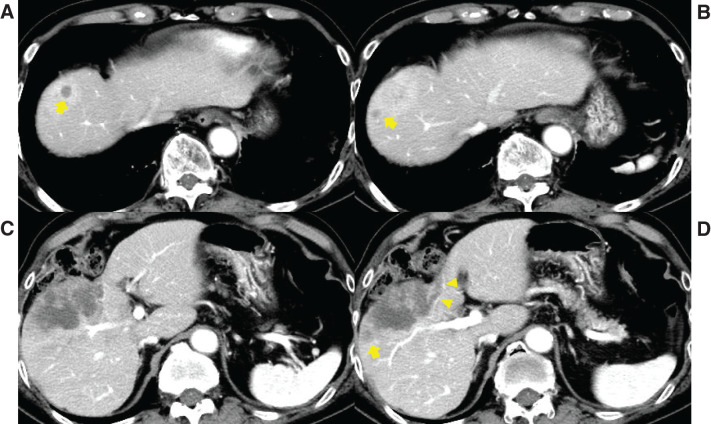 Figure 1
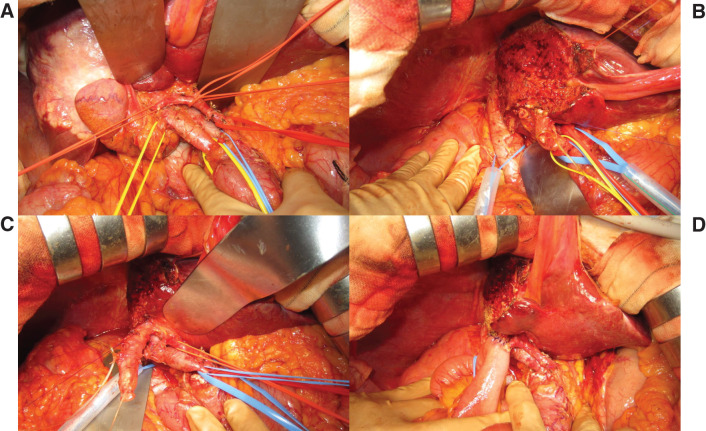 Figure 2
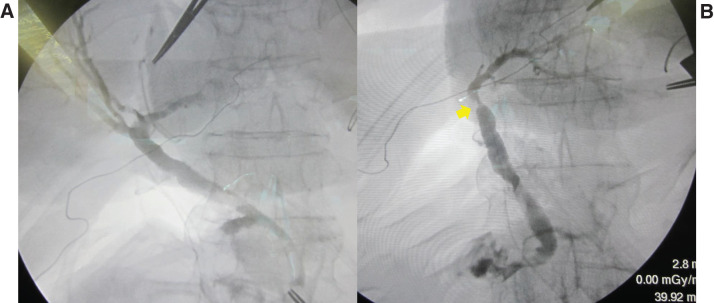 Figure 3
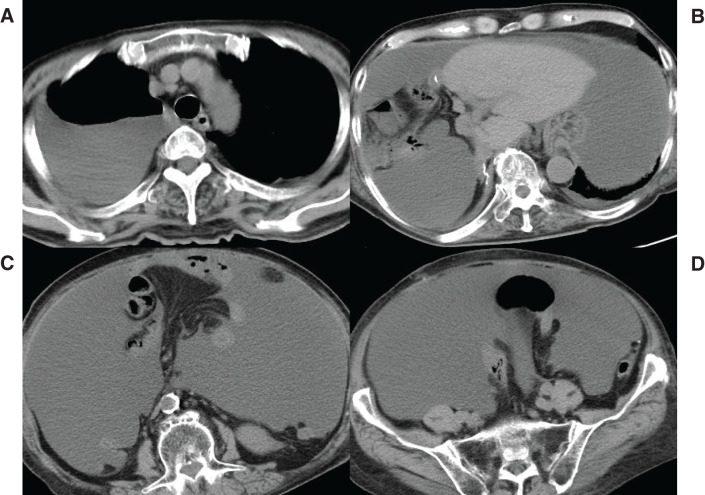 Figure 4
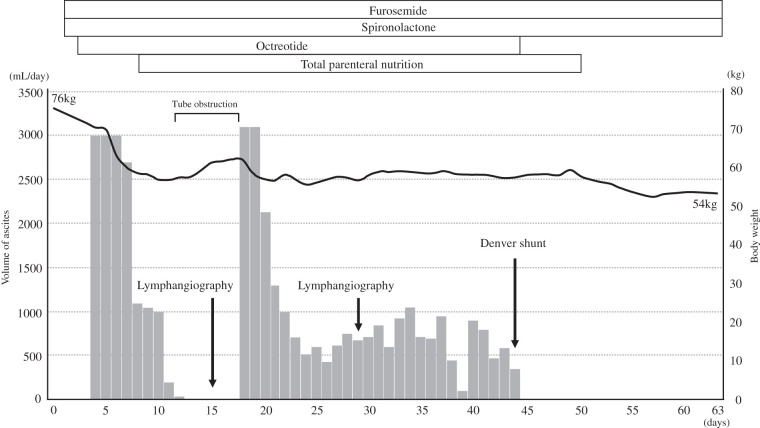 Figure 5
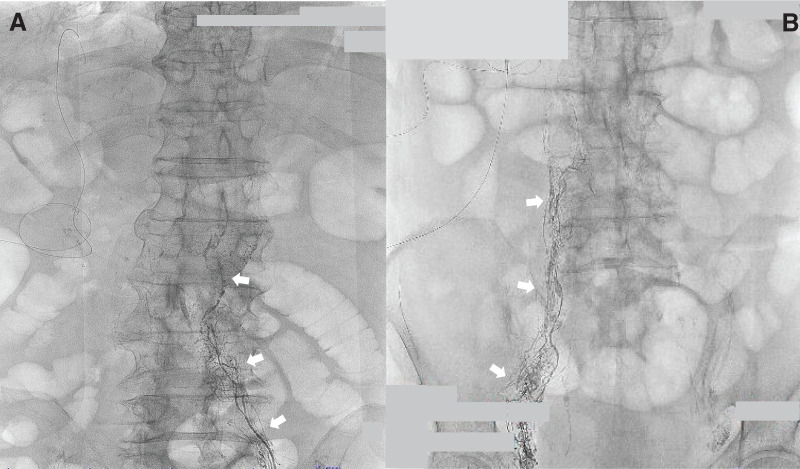 Figure 6
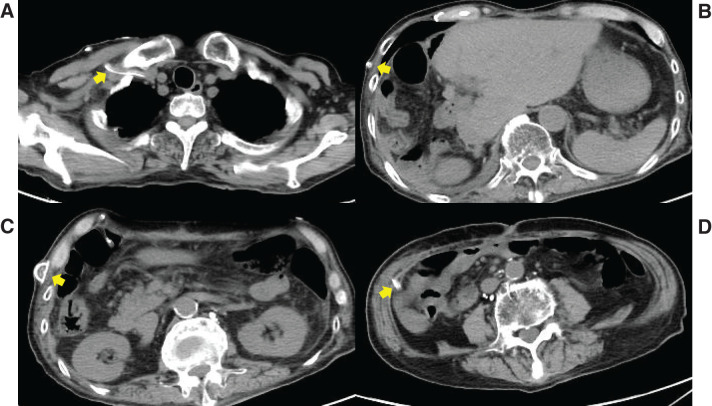 Figure 7
Peer Reviews
No public reviews on file for this paper yet. If you reviewed it on a platform where reviews are public (OpenReview, ICLR, NeurIPS, ICML), you can paste yours below so the community can read it here.
Videos
No videos yet. Explain this paper in a talk, walkthrough, or lecture? Add one.
Taxonomy
TopicsLymphatic Disorders and Treatments · Pleural and Pulmonary Diseases · Abdominal vascular conditions and treatments