Dynamics of anterior pituitary function in the acute phase of traumatic brain injury: a prospective cohort
Eder Cáceres, Juan Olivella-Gómez, André Emilio Viñán Garcés, Paula Oriana Narvaez-Ramirez, Saber Zafarshamspou, Chad Cole, Archana Hinduja, Afshin A. Divani, Luis Felipe Reyes

TL;DR
This study examines how traumatic brain injury affects pituitary hormone levels in the first week and finds that hormone disruptions are common and linked to injury severity.
Contribution
The study provides new insights into acute pituitary dysfunction after traumatic brain injury and its correlation with injury severity.
Findings
Hormone levels like adrenocorticotropic hormone and growth hormone were frequently below normal ranges in the acute phase of traumatic brain injury.
Traumatic brain injury severity was associated with specific hormone levels on Days 0 and 7.
Glial fibrillary astrocytic protein levels correlated with adrenocorticotropic hormone and thyroid-stimulating hormone levels.
Abstract
Traumatic brain injury leads to disruption of the hypothalamic-pituitary axis. The aim of this study was to evaluate anterior pituitary gland function in the acute phase following traumatic brain injury and its relationship with patient outcomes. This was a prospective cohort of traumatic brain injury patients admitted to the intensive care unit. The levels of adrenocorticotropic hormone, growth hormone, and thyroid-stimulating hormone on Days 0, 3 and 7 after the injury were measured. The Glasgow Outcome Scale-Extended (GOSE) was used for 6-month outcomes. A total of 88 traumatic brain injury patients (79% male, 41 ± 19 years old) who were admitted to the intensive care unit were studied. The frequencies of hormone levels below the range were as follows: adrenocorticotropic hormone, 81% on Day 0, 75% on Day 3, and 68% on Day 7; growth hormone, 76% on Day 0, 65% on Day 3, and 61% on…
Genes, proteins, chemicals, diseases, species, mutations and cell lines named across the full text — each resolved to its canonical identifier and authoritative record.
Click any figure to enlarge with its caption.
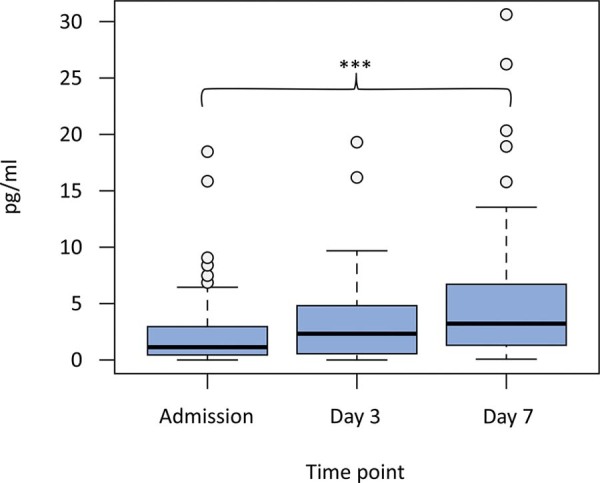 Figure 1
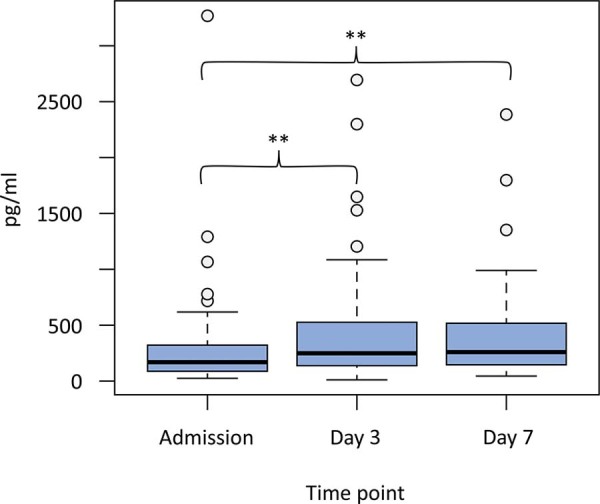 Figure 2
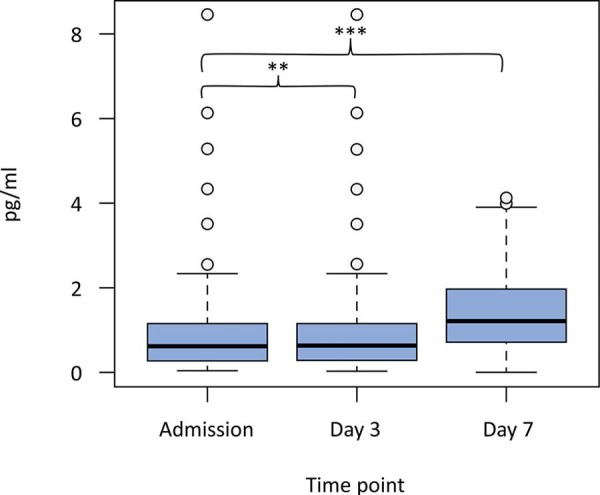 Figure 3
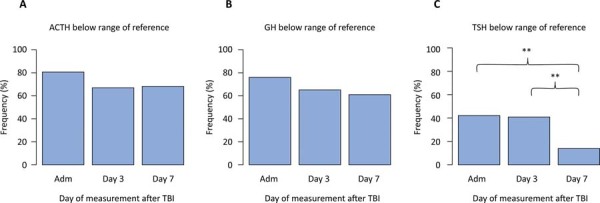 Figure 4
Peer Reviews
No public reviews on file for this paper yet. If you reviewed it on a platform where reviews are public (OpenReview, ICLR, NeurIPS, ICML), you can paste yours below so the community can read it here.
Videos
No videos yet. Explain this paper in a talk, walkthrough, or lecture? Add one.
Taxonomy
TopicsTraumatic Brain Injury and Neurovascular Disturbances · Growth Hormone and Insulin-like Growth Factors · Pituitary Gland Disorders and Treatments