Cortical state contributions to neuronal response variability in the early visual cortex: A system identification approach
Jinani Sooriyaarachchi, Chang’an A. Zhan, Curtis L. Baker Jr

TL;DR
This study shows that cortical state fluctuations, not just visual stimuli, influence how neurons in the early visual cortex respond, and a new model can better predict these responses by incorporating both factors.
Contribution
A novel system identification model combining stimulus-driven and cortical state-driven pathways improves prediction of neuronal responses and receptive field estimation.
Findings
A model incorporating cortical state signals improves prediction of neural responses compared to stimulus-only models.
Neurons with higher response variability benefit more from cortical state information in the model.
Cortical state fluctuations are continuously linked to population signals like LFPs and MUA during recordings.
Abstract
Neurons in the early visual cortex respond selectively to multiple features of visual stimuli, but they respond inconsistently to repeated presentation of the same visual stimulus. Such trial-to-trial response variabilities are often treated as random noise and addressed by simple trial-averaging to obtain the stimulus-driven response. However, response variability may primarily be caused by non-sensory factors, particularly by variations in cortical state. Here we recorded and analyzed neuronal spiking activity in response to natural images from areas 17 and 18 of cats, along with local population neuronal signals, i.e., local field potentials (LFPs) and multi-unit activity (MUA). Single neurons showed highly varying degrees of trial-to-trial response variability, even when recorded simultaneously. We used a variability ratio (VR) measure to quantify the trial-wise differences in…
Genes, proteins, chemicals, diseases, species, mutations and cell lines named across the full text — each resolved to its canonical identifier and authoritative record.
Click any figure to enlarge with its caption.
 Figure 1
 Figure 2
 Figure 3
 Figure 4
 Figure 5
 Figure 6
 Figure 7
 Figure 8
 Figure 9
 Figure 10
 Figure 11
 Figure 12
 Figure 13
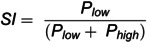 Figure 14
 Figure 15
 Figure 16
 Figure 17
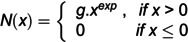 Figure 18
 Figure 19
 Figure 20
 Figure 21
 Figure 22
 Figure 23
 Figure 24
 Figure 25
 Figure 26
 Figure 27
 Figure 28
 Figure 29
 Figure 30
 Figure 31
 Figure 32
 Figure 33
 Figure 34
 Figure 35
 Figure 36
 Figure 37
 Figure 38
 Figure 39
 Figure 40
 Figure 41
 Figure 42
 Figure 43
 Figure 44
 Figure 45
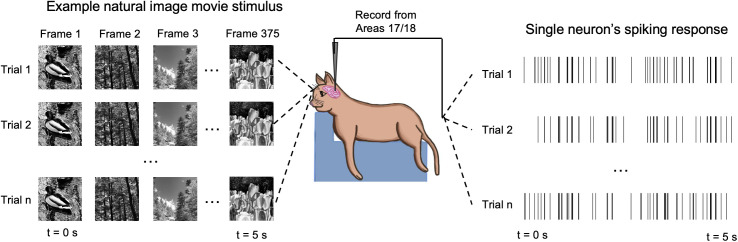 Figure 46
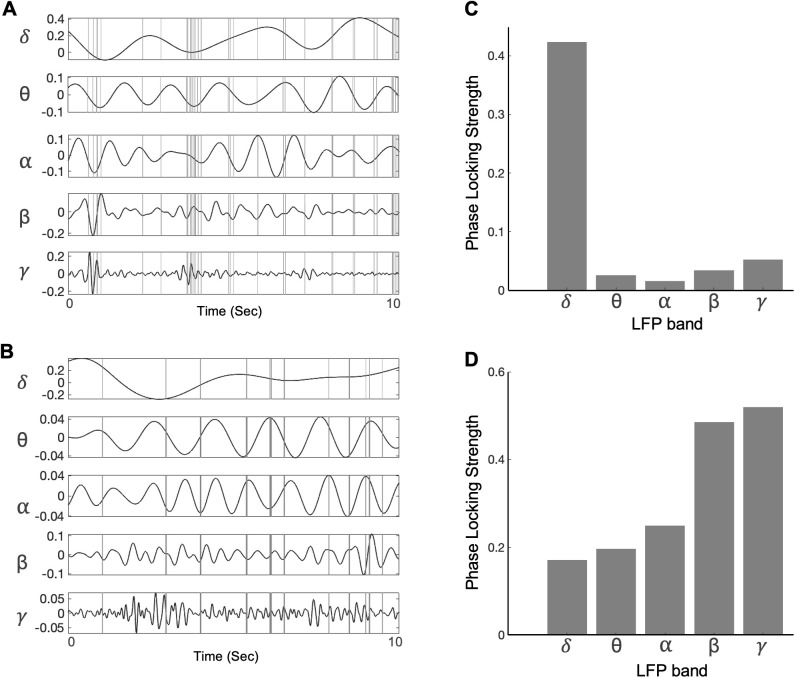 Figure 47
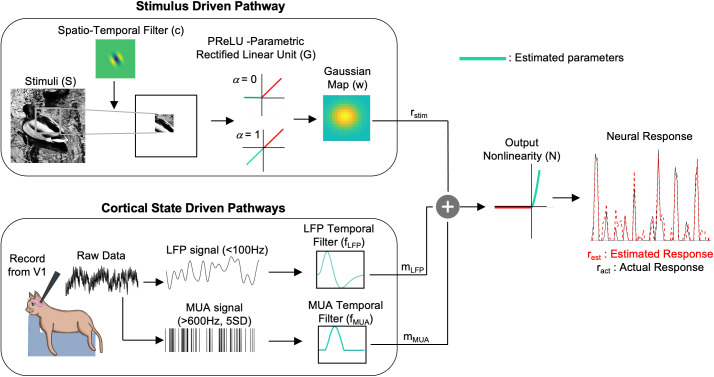 Figure 48
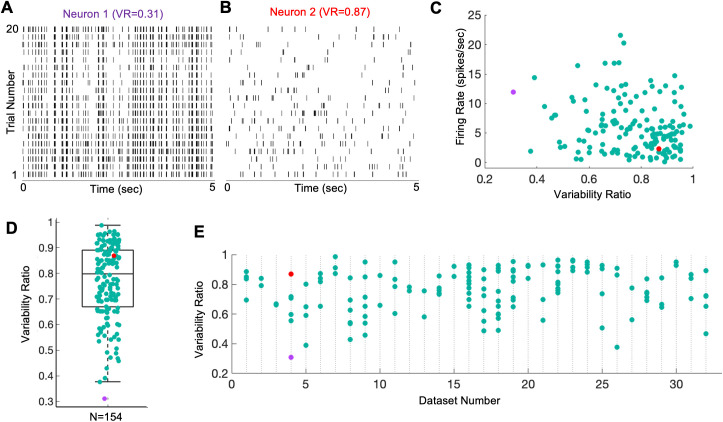 Figure 49
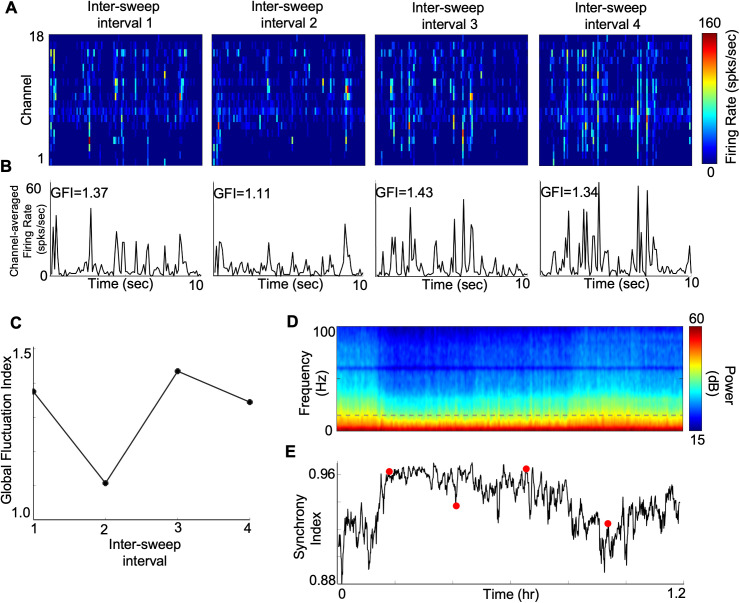 Figure 50
Peer Reviews
No public reviews on file for this paper yet. If you reviewed it on a platform where reviews are public (OpenReview, ICLR, NeurIPS, ICML), you can paste yours below so the community can read it here.
Videos
No videos yet. Explain this paper in a talk, walkthrough, or lecture? Add one.
Taxonomy
TopicsNeural dynamics and brain function · Visual perception and processing mechanisms · Functional Brain Connectivity Studies