Mitochondrial-specific perturbation of Drosophila RNase Z in neurons leads to motor impairments, disrupted learning and neurodegeneration
Saathvika Rajamani, Lucia Vilchez, Nicole Cracovia, Dritjona Dule, Alessia Vata, Saul Landaverde, Atulya Iyengar, Edward B. Dubrovsky

TL;DR
Mutations in the RNase Z gene in fruit fly neurons cause neurological issues, including motor and learning impairments, and suggest mitochondrial dysfunction is key to the disease.
Contribution
This study experimentally confirms that mitochondrial RNase Z mutations cause neuropathology and establishes the organelle-specific role of RNase Z in disease.
Findings
Neuronal RNase Z knockout in flies causes morphological neuron defects, motor impairments, and learning deficits.
Mitochondrial-specific RNase Z mutation is sufficient to induce neurodegeneration and ROS elevation.
Rescue experiments confirm that mitochondrial RNase Z activity is critical for preventing neuropathology.
Abstract
Clinical studies have linked a rare form of neurological disorder to the highly conserved RNase Z gene, which encodes an endoribonuclease responsible for the processing of nuclear and mitochondrial primary tRNA transcripts. Patients harboring mutant variants of this gene exhibit a spectrum of neurological dysfunction; however, no studies to date have established the causality of RNase Z-linked neuropathology. We employed CRISPR/Cas9 technology to create flies with a neuron-specific knockout of the RNase Z gene, which is rescued with transgenes encoding a wild-type or a mutant copy of RNase Z. Neuronal activity of RNase Z is vital, as mutants display striking morphological abnormalities in central and peripheral neurons, along with attenuated motor circuit function and associative learning performance. Neuron-specific mutations of RNase Z also led to mitochondrial fragmentation and…
Genes, proteins, chemicals, diseases, species, mutations and cell lines named across the full text — each resolved to its canonical identifier and authoritative record.
Click any figure to enlarge with its caption.
 Figure 1
 Figure 2
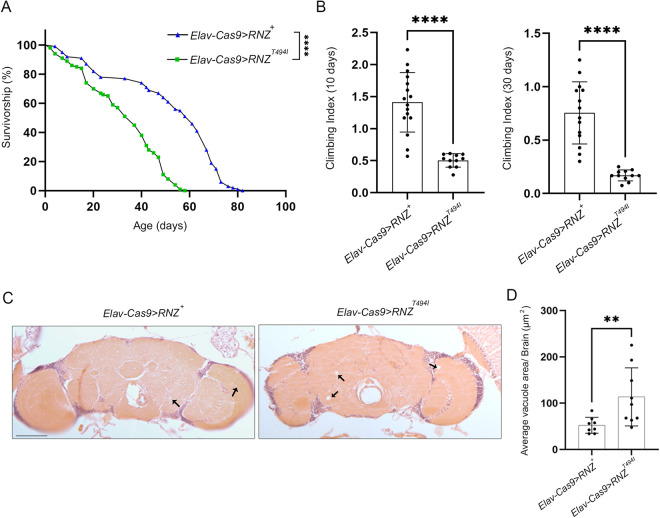 Figure 3
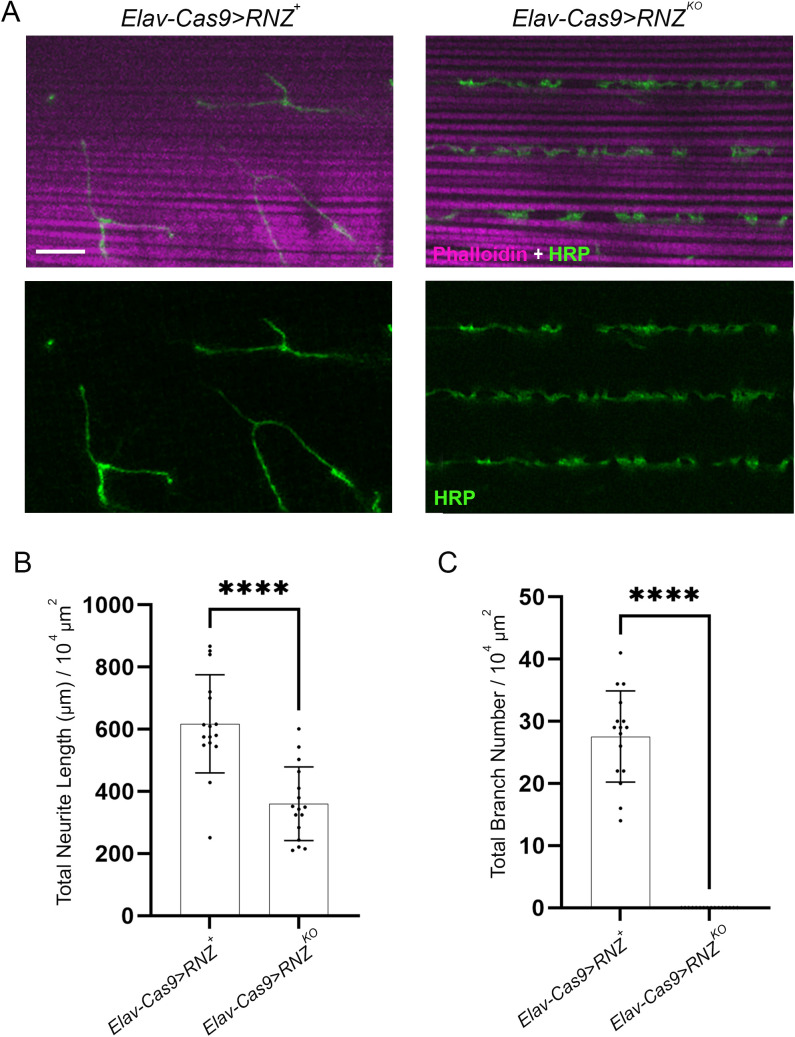 Figure 4
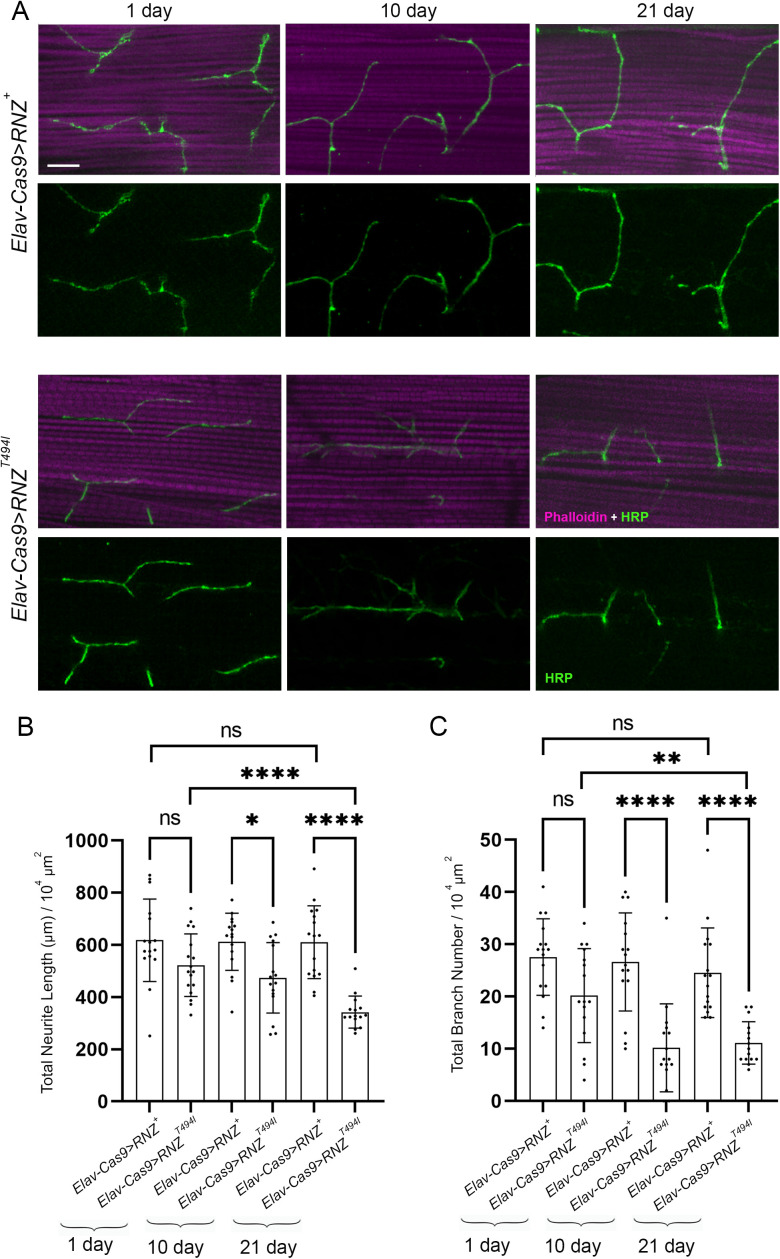 Figure 5
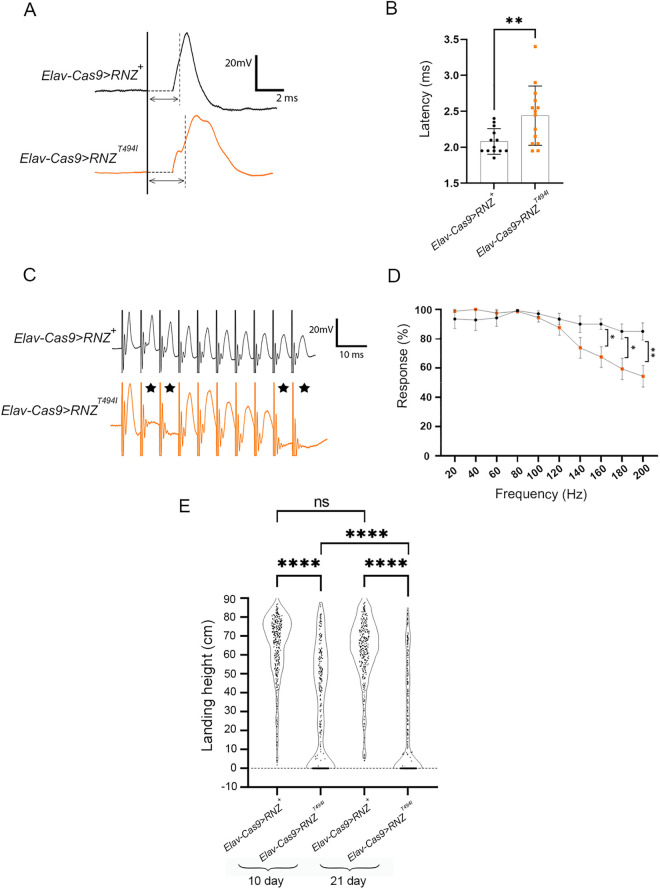 Figure 6
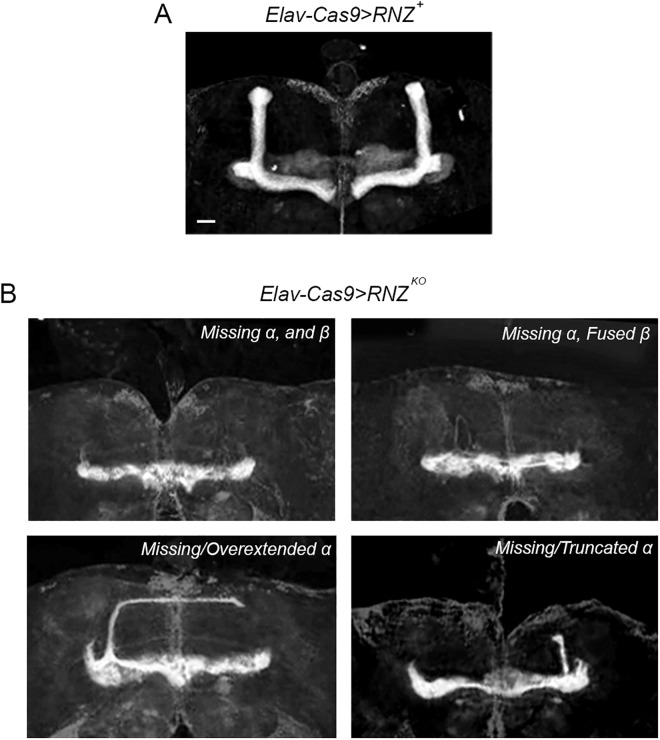 Figure 7
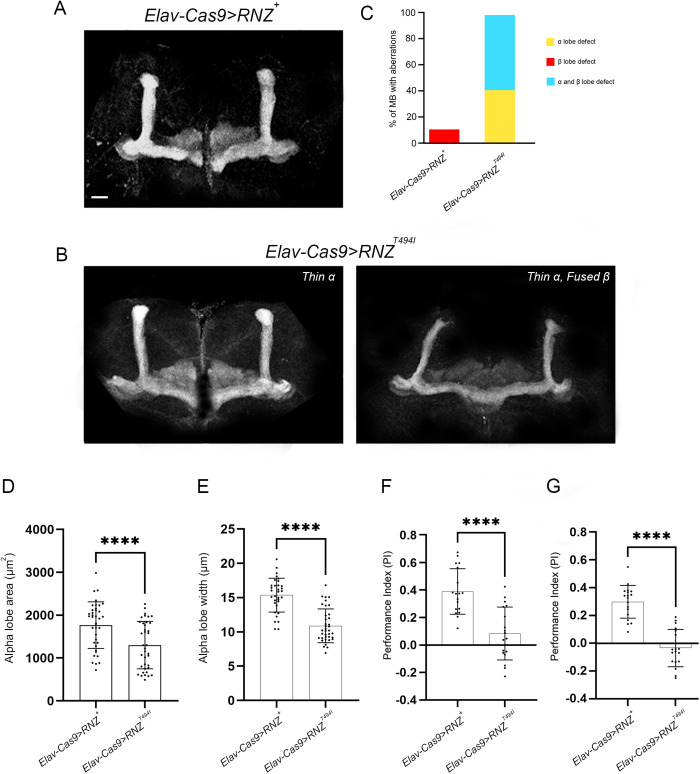 Figure 8
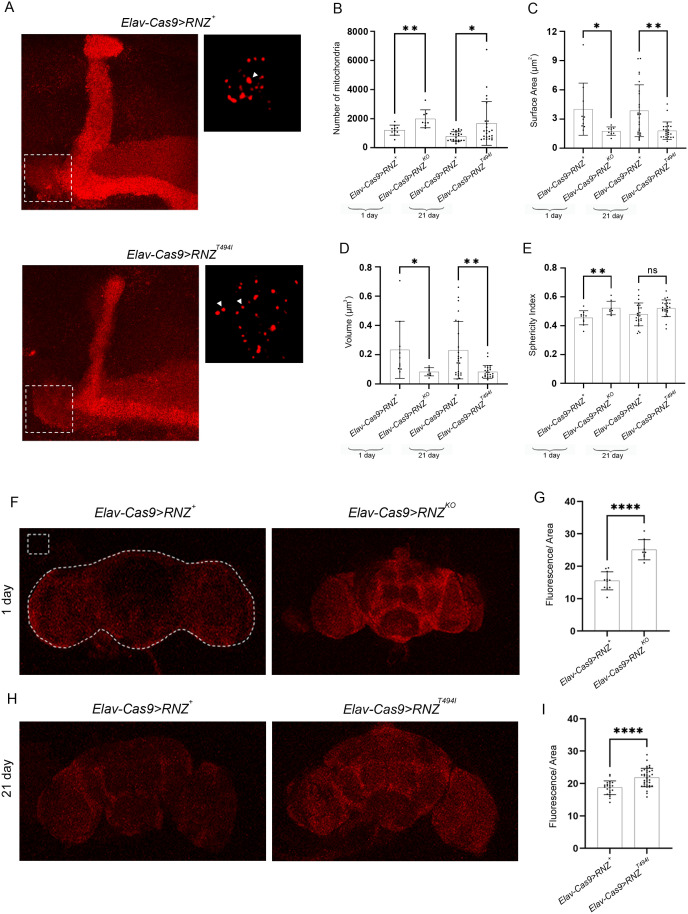 Figure 9
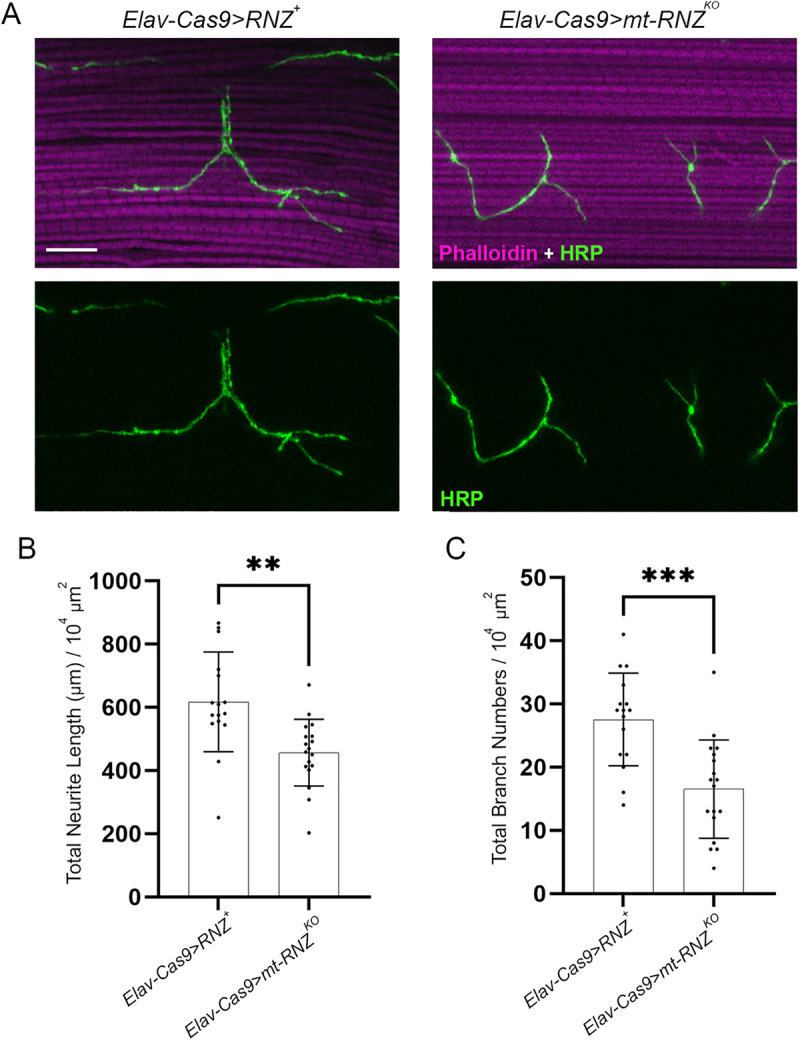 Figure 10
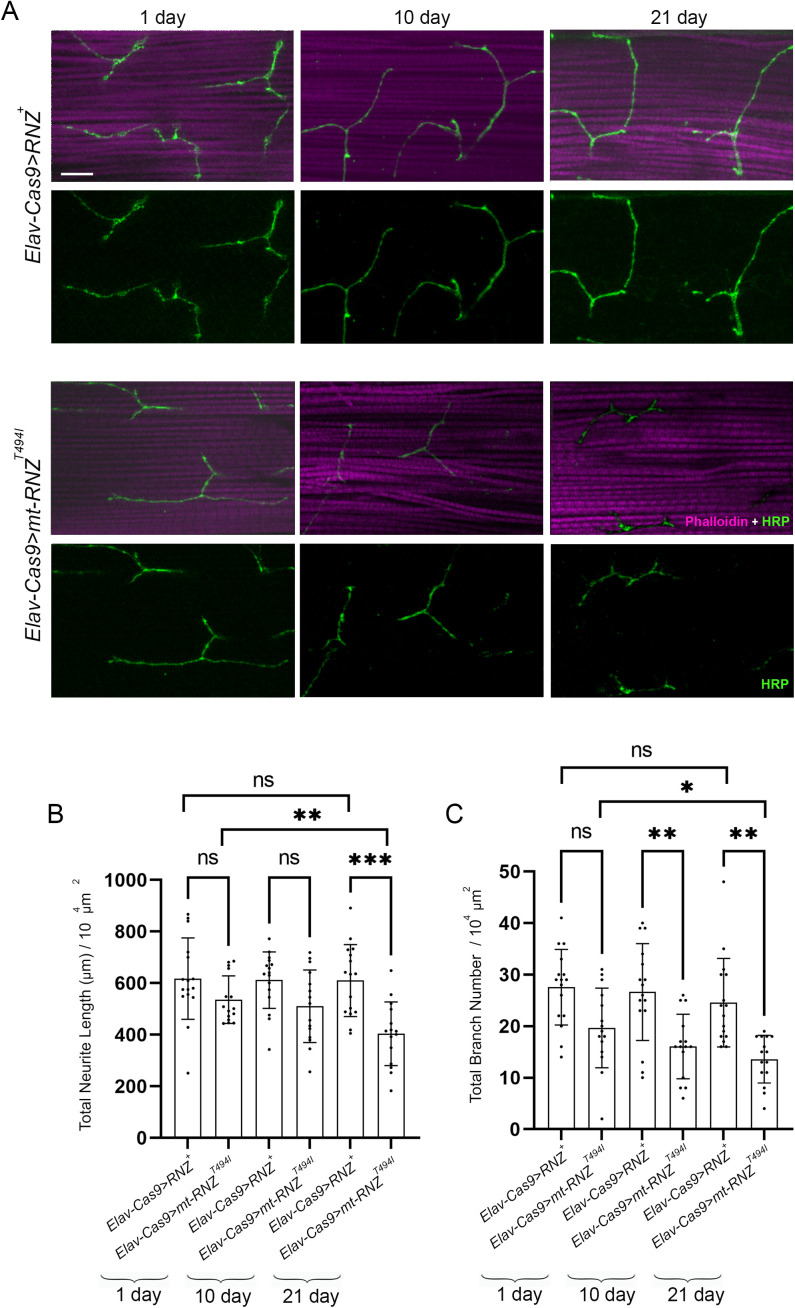 Figure 11
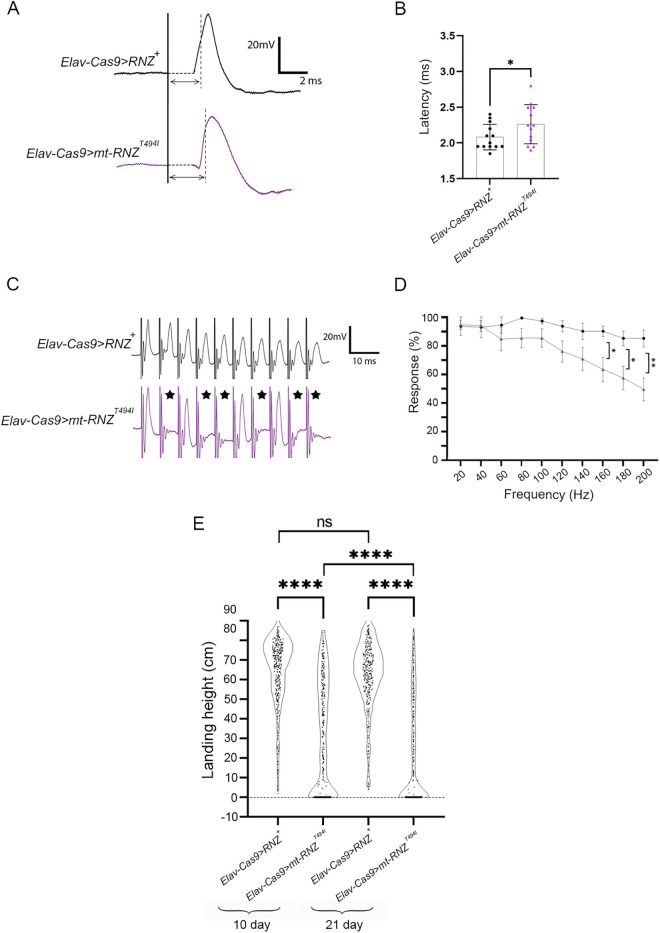 Figure 12
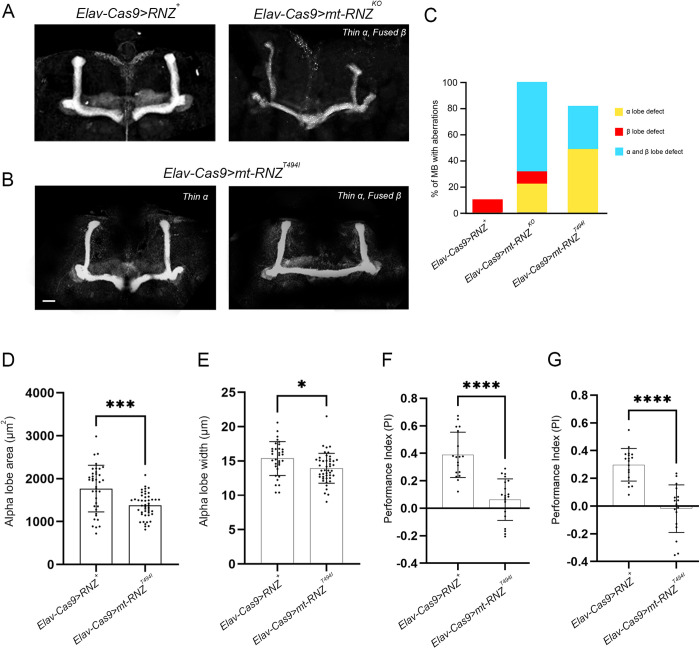 Figure 13
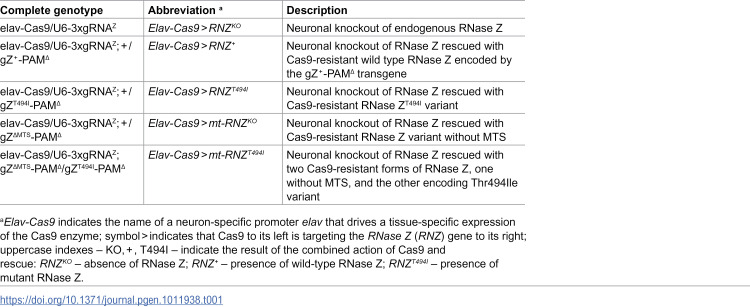 Figure 14
Peer Reviews
No public reviews on file for this paper yet. If you reviewed it on a platform where reviews are public (OpenReview, ICLR, NeurIPS, ICML), you can paste yours below so the community can read it here.
Videos
No videos yet. Explain this paper in a talk, walkthrough, or lecture? Add one.
Taxonomy
TopicsMitochondrial Function and Pathology · Neurogenetic and Muscular Disorders Research · Hereditary Neurological Disorders