Material fingerprinting: predicting human perception of material appearance through psychophysical analysis and neural networks
Jiri Filip, Filip Dechterenko, Filipp Schmidt, Jiri Lukavsky, Jan Kotera, Veronika Vilimovska, Roland W. Fleming

TL;DR
This paper introduces a new method to predict how humans perceive material appearances using images and machine learning, enabling better digital representation of materials.
Contribution
The novel 'visual fingerprint' links image data to human-perceived material attributes using psychophysical studies and neural networks.
Findings
Human ratings of material appearance attributes were mapped using over 110,000 responses across 347 materials.
A predictive model using CLIP features and a multi-layer perceptron accurately forecasts human perception from just two images.
The framework enables intuitive comparisons and retrievals of material appearances in digital applications.
Abstract
Digital representation of materials is crucial in fields such as virtual reality, industrial design and quality control. However, predicting human perception of materials from image data is challenging due to the complexity of material appearances and the intricacies of human vision. This study introduces a perceptual representation termed the ‘visual fingerprint’, linking image-based measurements of materials to intuitive, human-understandable attributes. We conducted psychophysical studies using standardized video sequences of 347 diverse real-world materials, including fabrics and wood, selected to encompass a broad spectrum of textures, colours and reflective properties. Sixteen key appearance attributes were identified, and over 110 000 human ratings were collected to map perceptual attributes across material categories. By integrating CLIP-derived image features with a multi-layer…
Genes, proteins, chemicals, diseases, species, mutations and cell lines named across the full text — each resolved to its canonical identifier and authoritative record.
Click any figure to enlarge with its caption.
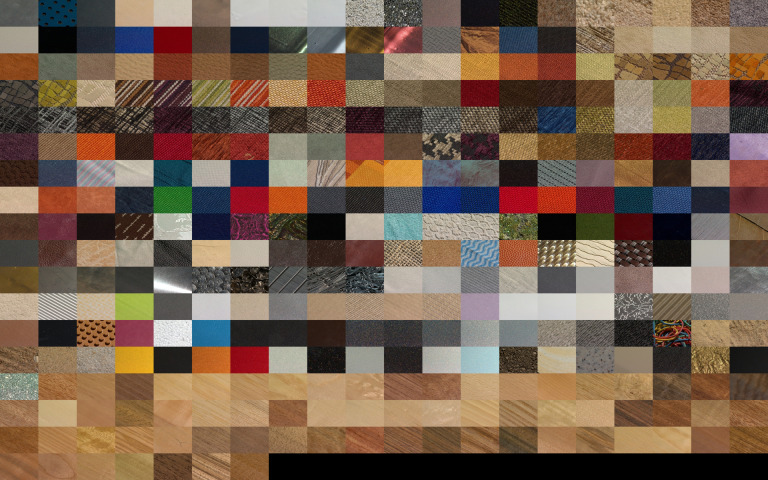 Figure 1
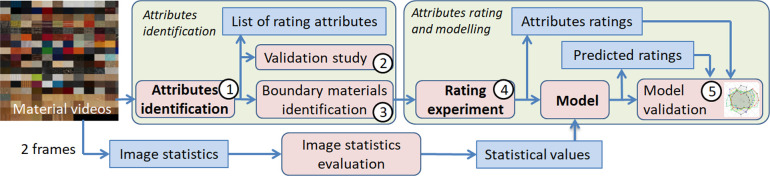 Figure 2
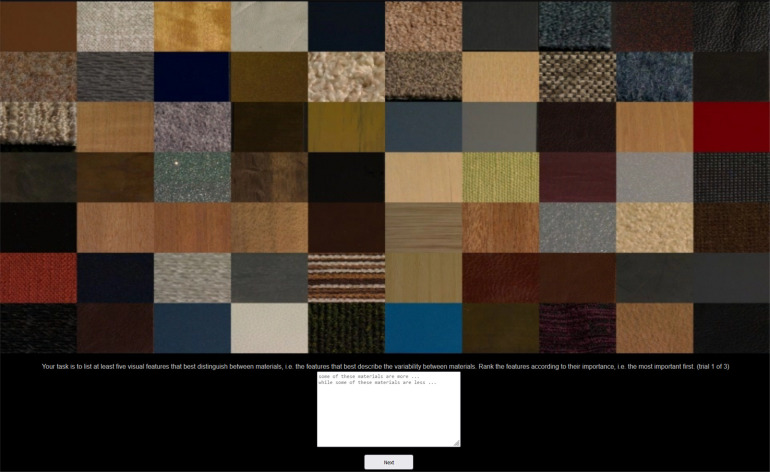 Figure 3
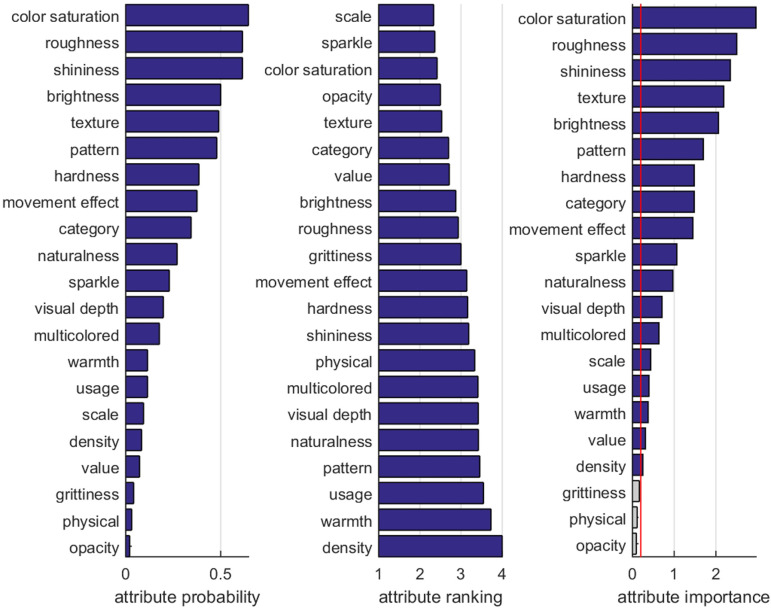 Figure 4
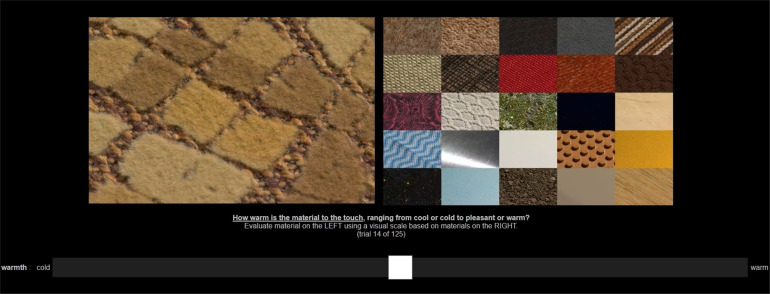 Figure 5
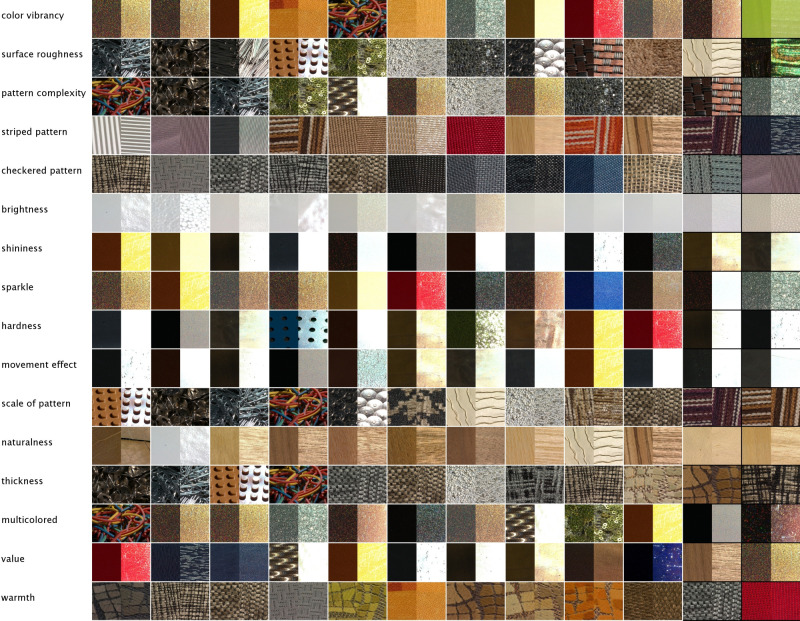 Figure 6
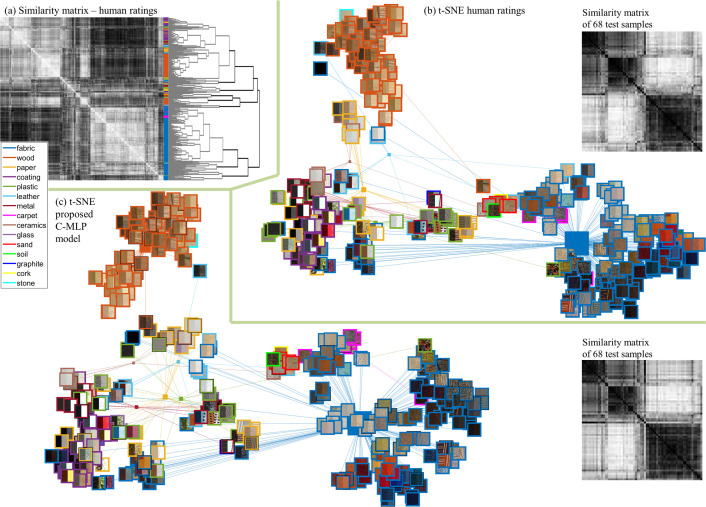 Figure 7
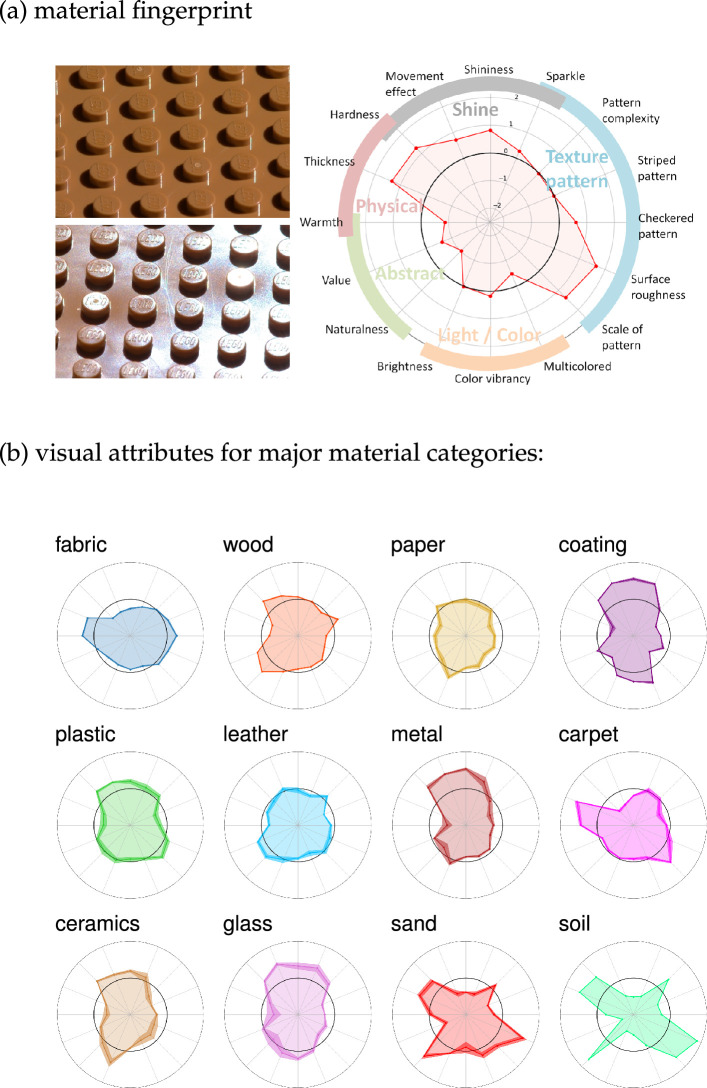 Figure 8
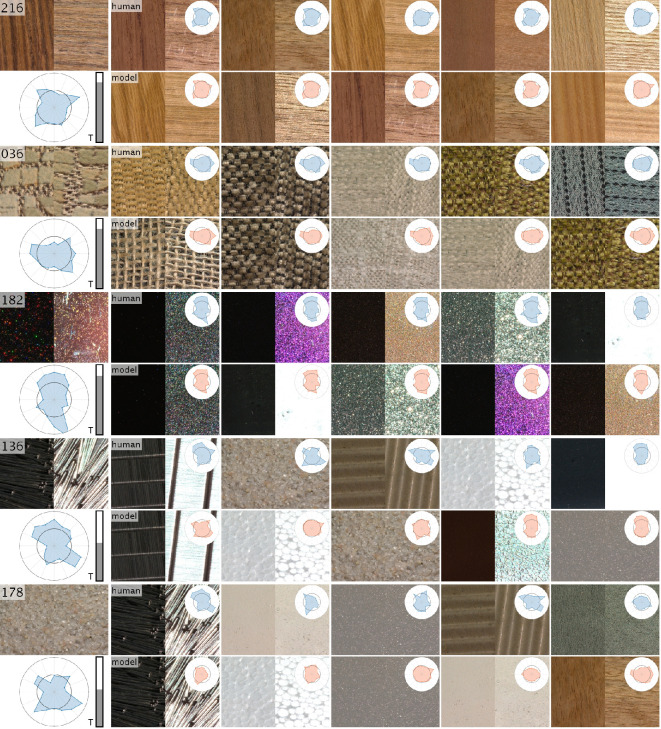 Figure 9
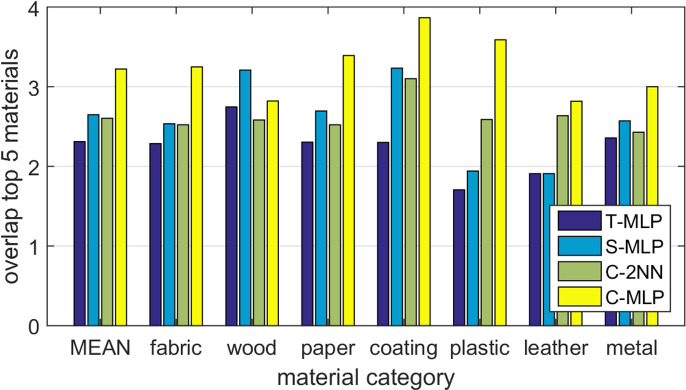 Figure 10
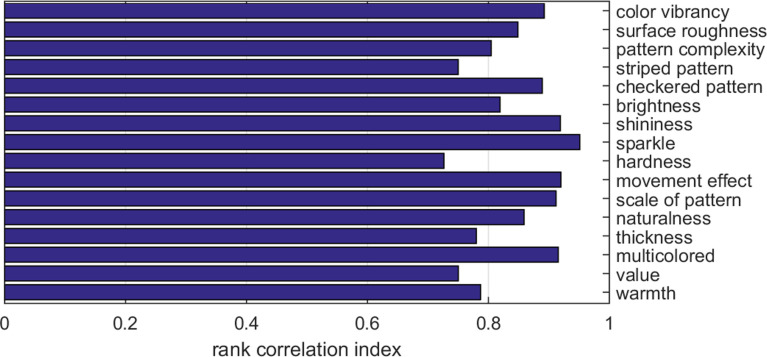 Figure 11
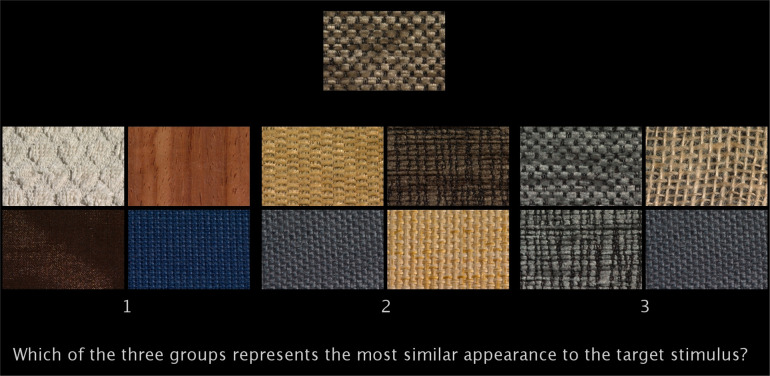 Figure 12
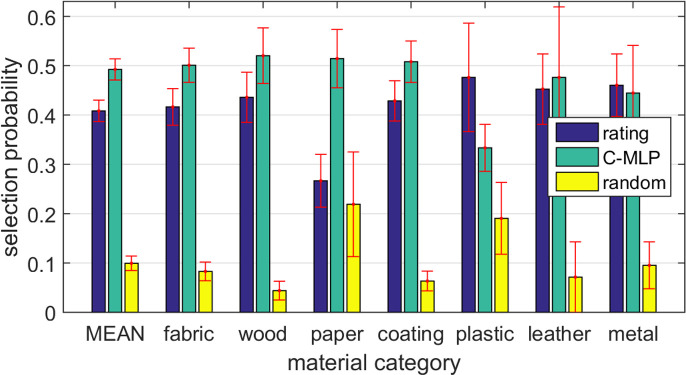 Figure 13
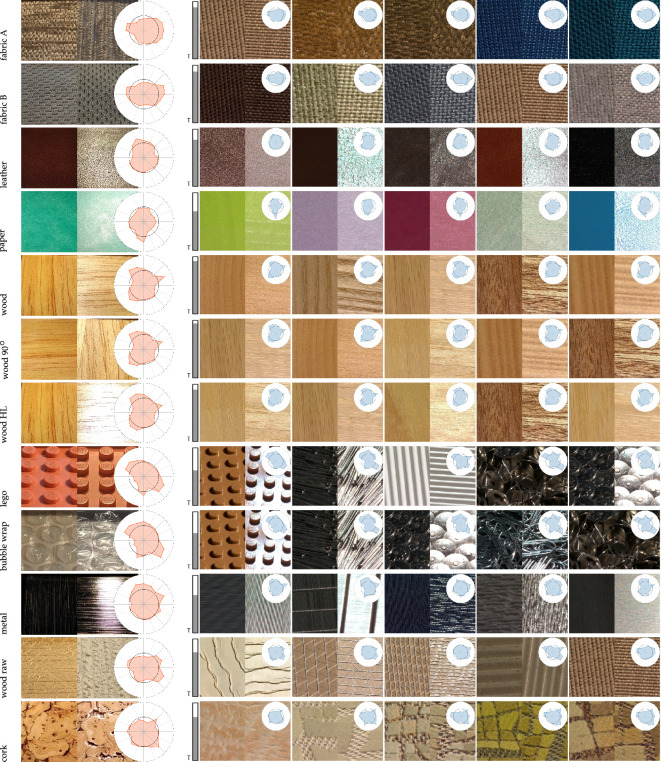 Figure 14
Peer Reviews
No public reviews on file for this paper yet. If you reviewed it on a platform where reviews are public (OpenReview, ICLR, NeurIPS, ICML), you can paste yours below so the community can read it here.
Videos
No videos yet. Explain this paper in a talk, walkthrough, or lecture? Add one.
Taxonomy
TopicsIndustrial Vision Systems and Defect Detection · Aesthetic Perception and Analysis · Color perception and design