Comparing machine learning, deep learning, and reinforcement learning performance in Culex pipiens predictive modeling
Wei Yin, Sanad H. Ragab, Michael G. Tyshenko, Teresa Feria Arroyo, Tamer Oraby

TL;DR
This study compares machine learning, deep learning, and reinforcement learning methods to predict the geographic distribution of Culex pipiens, a mosquito that spreads West Nile Virus.
Contribution
The study introduces reinforcement learning methods for species distribution modeling and highlights their effectiveness with fewer features.
Findings
Reinforcement learning methods like DQN and REINFORCE performed well with fewer features.
Altitude and annual precipitation were the most important predictors for C. pipiens distribution.
All methods showed similar overall performance in predicting the species' presence.
Abstract
Several machine learning (ML) and deep learning (DL) methods have been used to predict the presence of species in classification problems. Another set of methods, called reinforcement learning (RL), has been used in training agents to perform various tasks, but not in predicting species distribution. Culex pipiens (Diptera: Culicidae), commonly known as the common house mosquito, is a globally distributed species prevalent in temperate and subtropical regions. They serve as a primary vector for West Nile Virus (WNV), a mosquito-borne pathogen that affects humans and other animals. The study objective is to compare the performance of logistic regression, random forest classifier, deep neural networks, and the RL methods, including Q-learning, deep Q-network (DQN), REINFORCE, and Actor-Critic, in predicting the historical presence of C. pipiens through their potential geographic…
Genes, proteins, chemicals, diseases, species, mutations and cell lines named across the full text — each resolved to its canonical identifier and authoritative record.
Click any figure to enlarge with its caption.
 Figure 1
 Figure 2
 Figure 3
 Figure 4
 Figure 5
 Figure 6
 Figure 7
 Figure 8
 Figure 9
 Figure 10
 Figure 11
 Figure 12
 Figure 13
 Figure 14
 Figure 15
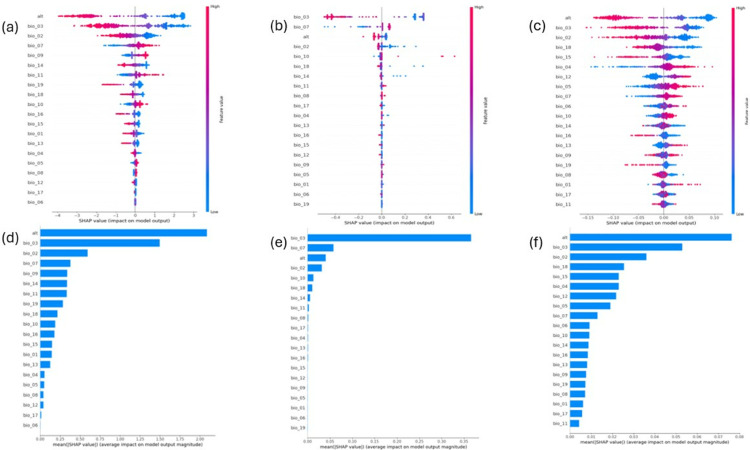 Figure 16
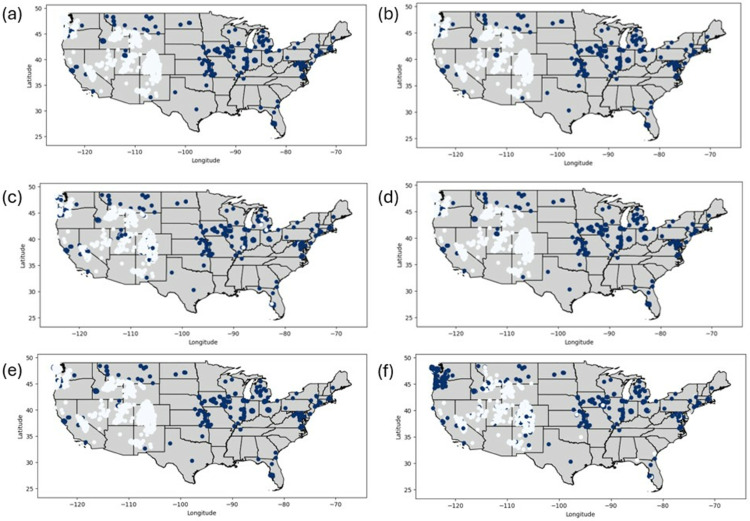 Figure 17
 Figure 18
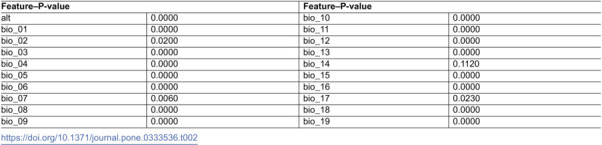 Figure 19
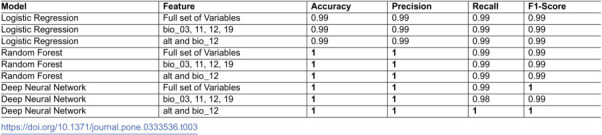 Figure 20
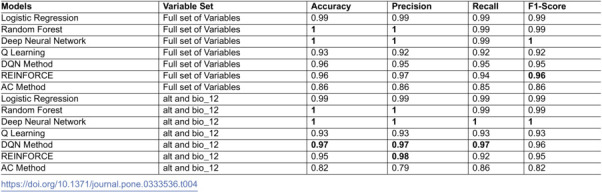 Figure 21
Peer Reviews
No public reviews on file for this paper yet. If you reviewed it on a platform where reviews are public (OpenReview, ICLR, NeurIPS, ICML), you can paste yours below so the community can read it here.
Videos
No videos yet. Explain this paper in a talk, walkthrough, or lecture? Add one.
Taxonomy
TopicsMosquito-borne diseases and control · Species Distribution and Climate Change · Digital Imaging for Blood Diseases